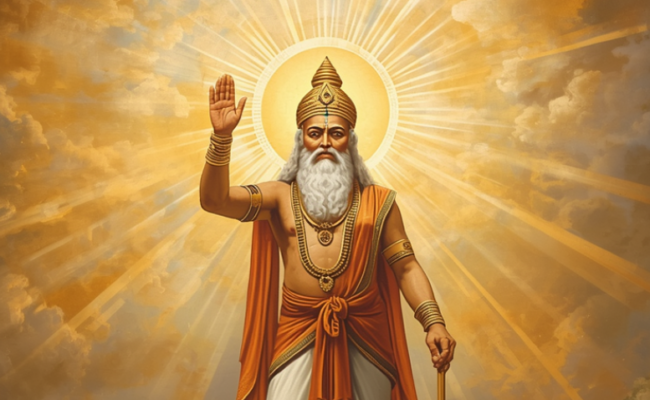
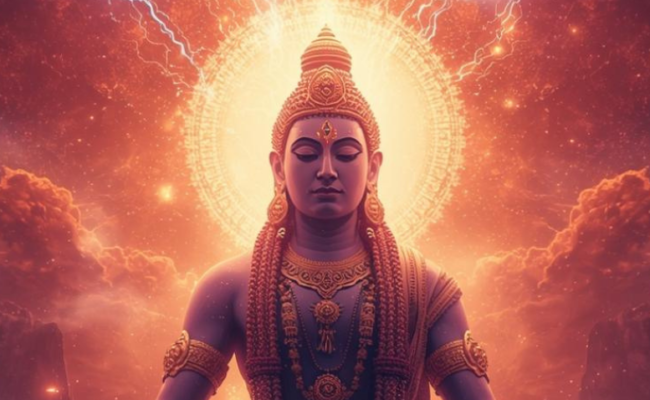
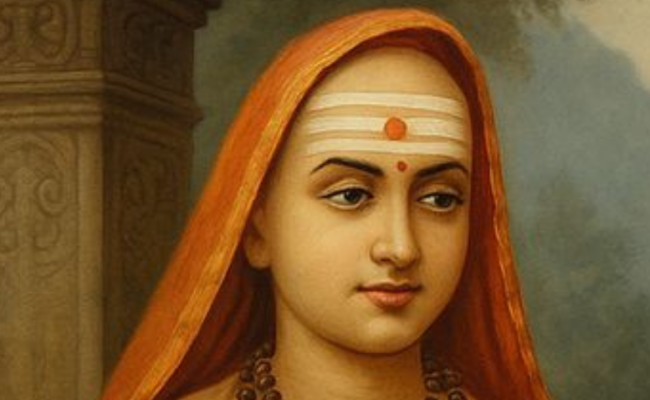
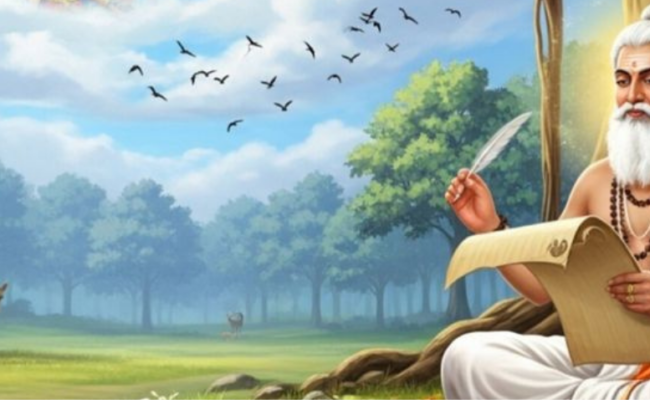
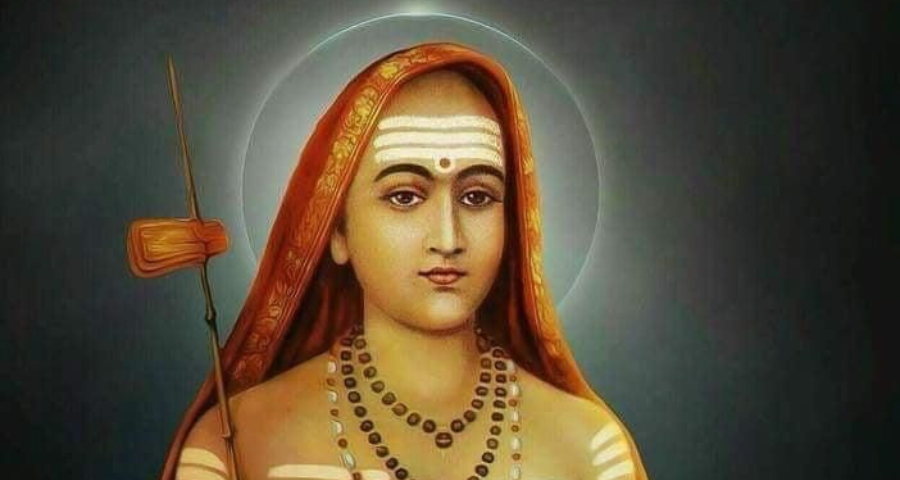
🕉️ Adi Shankaracharya — The Radiant Voice of Non-Dual Wisdom
Where logic meets liberation,
and devotion flows into knowledge.
Adi Shankaracharya stands as one of the most transformative spiritual figures in Indian history. In a time of intense philosophical diversity and ritual complexity, he restored a unifying vision — that beneath all forms, paths, and doctrines lies a single indivisible reality.
His life was brief.
His influence, immeasurable.
Let us enter deeper into his journey, thought, and legacy.
🌿Birth in Kalady — A Destiny Rooted in Prayer
Shankara was born in Kalady, in present-day Kerala, to Shivaguru and Aryamba — devout Brahmins who longed for a child.
Tradition says they prayed to Lord Śiva for a son. In response, they were granted a child of extraordinary spiritual destiny.
From an early age, Shankara displayed prodigious intelligence. He mastered Sanskrit and Vedic recitation while still a child. Yet what distinguished him was not memory alone — but insight.
He did not merely learn verses.
He contemplated them.
He sensed that scripture pointed toward something experiential — not merely ritualistic.
Even in youth, the fire of inquiry burned brightly.
🔥Renunciation — A Turning Toward the Absolute
Despite being raised in a traditional household, Shankara felt drawn toward renunciation.
The famous crocodile episode symbolizes his decisive shift. While bathing in a river, a crocodile is said to have seized his leg. Believing death imminent, he asked his mother’s permission to become a monk. Upon her consent, the crocodile released him.
Historically literal or symbolic, the message is clear:
Life’s grip loosens
when attachment loosens.
He left home in search of truth — walking northward, seeking a teacher who could reveal the highest knowledge.
Renunciation for Shankara was not rejection of life.
It was commitment to ultimate reality.
📜Guru and Scriptural Foundation
Shankara found his guru, Govinda Bhagavatpada, on the banks of the Narmada River.
Under him, he studied the Upanishads, the Bhagavad Gita, and the Brahma Sutras — the foundational triad (Prasthana Trayi) of Vedantic philosophy.
What made Shankara unique was not merely commentary — but synthesis.
He demonstrated that these texts consistently pointed toward non-duality when interpreted through careful reasoning and direct insight.
His commentaries were sharp, systematic, and fearless. They challenged ritualistic excess and philosophical fragmentation.
He did not discard tradition.
He clarified it.
🌌 Advaita Vedānta — The Vision of Absolute Oneness
Advaita means “not two.”
Its central teaching is radical in simplicity:
There is only Brahman — the infinite, indivisible reality.
The individual self (ātman) is not separate from it.
Separation is born of ignorance (avidyā).
This ignorance is not moral failure. It is misidentification.
We mistake the body for the self.
We mistake thoughts for identity.
We mistake change for permanence.
Shankara explained that just as clay appears as pot, jar, or sculpture without losing its clay-ness, reality appears as multiplicity without losing its unity.
Liberation (moksha) comes through knowledge — not belief, not ritual, not external achievement.
To know oneself as pure consciousness is freedom.
🕯️ Māyā — Understanding the Veil
Shankara refined the concept of Māyā with philosophical precision.
Māyā does not mean that the world is unreal like fantasy. Instead, it means the world is relatively real — dependent on ultimate reality.
The rope-snake analogy illustrates this clearly:
In dim light, a rope appears as a snake. Fear arises. The snake feels real. But once light is brought, the snake disappears — revealing rope alone.
Similarly, the world appears independent and fragmented. When knowledge dawns, its underlying unity becomes evident.
Māyā is not destruction of the world.
It is correction of misunderstanding.
This teaching preserved spiritual depth while honoring lived experience.
🎙️Intellectual Journeys & Transformative Debates
Shankara did not remain in isolation. He traveled extensively across India, engaging scholars in dialogue.
His debate with Mandana Mishra became legendary. Presided over by Mandana’s learned wife, Ubhaya Bharati, the debate lasted days.
When Mandana Mishra eventually accepted Shankara’s reasoning, he became a disciple — later known as Sureshvara.
These encounters were not ego battles. They were refinement processes.
Shankara restored philosophical clarity at a time when ritualism, sectarian divisions, and competing doctrines had created confusion.
He united diversity under a deeper unity.
🏛️Establishing the Four Mathas — Institutional Vision
To ensure continuity of Advaita teaching, Shankara established four monastic centers:
• Sringeri in the South
• Dwaraka in the West
• Puri in the East
• Badrinath in the North
Each was entrusted to a chief disciple and associated with one Veda.
This organizational genius ensured preservation of tradition long after his passing.
He understood that insight must be institutionalized — otherwise it dissolves into history.
🎶 Devotion & Poetry — The Mystic Heart
Though often viewed as an intellectual giant, Shankara was also a profound bhakta.
His devotional hymns overflow with emotion and surrender.
In Bhaja Govindam, he warns against intellectual pride and urges remembrance of the Divine.
In Soundarya Lahari, he celebrates the Divine Mother with poetic intensity.
In Nirvana Shatakam, he declares:
“I am not mind, nor intellect…
I am pure consciousness — Śiva.”
For Shankara, devotion and knowledge were not opposites.
Devotion purifies the mind.
Knowledge liberates it.
🕊️ A Life of 32 Years — Timeless Impact
Tradition holds that Shankara left his body at the age of 32.
In that short span, he:
• Revived Vedantic authority
• Reconciled sectarian divisions
• Re-established monastic discipline
• Produced foundational commentaries
• Integrated devotion and non-duality
Few lives have altered spiritual history so profoundly in so little time.
His clarity reshaped Hindu philosophical discourse permanently.
🌄 Core Teaching — Discrimination & Direct Realization
Shankara emphasized viveka — discrimination between the eternal and the transient.
Everything perceived changes.
The perceiver — awareness — does not.
Turn attention toward that which never changes.
That is the Self.
Liberation is not going somewhere.
It is recognizing what you already are.
This is not mystical abstraction.
It is radical simplicity.
🌅 The Inner Revolution
Shankara’s greatest contribution was internal revolution.
He shifted spirituality from external ritual to inner inquiry.
He did not reject worship.
He placed it in context.
He did not deny diversity.
He grounded it in unity.
He reminded seekers:
You are not incomplete.
You are not separate.
You are not bound.
Ignorance creates limitation.
Knowledge dissolves it.
🕉️ Closing Reflection — The Light That Dispels Confusion
Adi Shankaracharya’s life was a lightning flash of clarity in spiritual history.
He walked barefoot across the subcontinent.
He debated with brilliance.
He wrote with precision.
He sang with devotion.
But above all, he pointed directly inward.
If you follow his teaching sincerely, it leads to one startling realization:
The seeker you believe yourself to be
is already the reality you seek.
When that is understood —
the dance of searching ends.
And what remains is silent, limitless awareness. ✨
https://www.instagram.com/sanathanayatra/
https://www.facebook.com/profile.php?id=61583124183564
https://www.linkedin.com/company/sanathana-yatra/
https://x.com/SanathanaY