🌊🕉️ Sindhu Nadi — The Sacred Artery of Ancient Bharat
The Sindhu Nadi, revered as one of the greatest rivers of ancient Bharat, flowed as a powerful civilizational artery across the northwestern regions of the Indian subcontinent. Originating in the Himalayan and Tibetan highlands and flowing toward the Arabian Sea, the Sindhu shaped early settlements, trade networks, agriculture, and Vedic culture for thousands of years. Along its banks flourished ancient cities, sacred sites, and learning traditions that laid the foundations of one of the world’s earliest urban civilizations. The river is celebrated not only as a source of physical sustenance but also as a symbol of strength, continuity, and sacred geography, reflecting a civilization where ecology, governance, trade, and spirituality evolved together.
🏔️💧 Formation and Geography — Sindhu Nadi
The Sindhu Nadi originates near Lake Manasarovar in the Tibetan plateau, close to the Kailasa mountain region, at a high Himalayan elevation. Fed by glacial melt, snow-fed streams, and mountain tributaries, the river flows northwest through Ladakh before entering the plains of the northwestern Indian subcontinent. Unlike seasonal rivers, the Sindhu remained a mighty perennial river, sustained by Himalayan glaciers and tributary systems throughout the year.
From its source, the Sindhu flows for approximately 3,180 km before emptying into the Arabian Sea near present-day Karachi. Along its course, the river cuts through mountains, valleys, plains, and fertile flood basins, supporting some of the earliest urban and agrarian settlements in human history. Its vast basin nurtured trade routes, fortified settlements, and sacred centers across ancient Bharat.
📊 Geographical Features of Sindhu
| Feature | Detail |
|---|---|
| Source | Tibetan Plateau near Lake Manasarovar |
| Elevation at Source | High Himalayan glacial region |
| Length | ~3,180 km |
| Major Tributaries | Jhelum, Chenab, Ravi, Beas, Sutlej |
| Basin Area | Northwestern Indian subcontinent |
| Mouth | Arabian Sea |
| Regions Traversed | Tibet, Ladakh, Punjab, Sindh |
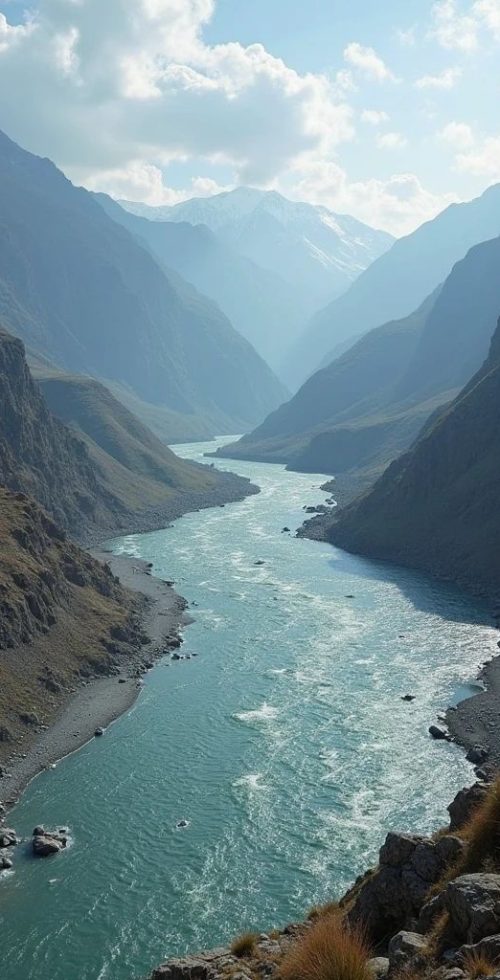
Major tributaries such as the Jhelum, Chenab, Ravi, Beas, and Sutlej expanded the Sindhu basin into one of the most fertile and strategically significant regions of ancient Bharat. These river systems supported agriculture, urban settlements, trade corridors, and sacred traditions, forming the foundation of the Sindhu-Saraswati civilization. Geologically, the Sindhu flows through tectonically active Himalayan and alluvial regions, carrying fertile sediments that enriched floodplains for millennia. Seasonal flooding replenished agricultural lands, while the river’s navigable stretches enabled trade and cultural exchange between inland settlements and coastal ports. Ancient cities, archaeological sites, and sacred traditions along its basin demonstrate the profound role of the Sindhu in shaping early civilization, making it not merely a river but a living symbol of Bharat’s historical and cultural continuity.
🏛️📜 Historical Significance and Civilizational Role — Sindhu Nadi
The Sindhu River holds a foundational place in the civilizational history of ancient Bharat, revered as the lifeline of one of the world’s earliest urban cultures. Flowing across the northwestern regions of the Indian subcontinent, the river nurtured early settlements, trade centers, agricultural communities, and spiritual traditions for thousands of years. The fertile plains of the Sindhu basin supported the rise of the Sindhu-Saraswati civilization, where advanced urban planning, water management, trade, and craftsmanship evolved alongside sacred and cultural practices.
Its rich alluvial plains enabled cultivation of wheat, barley, pulses, and cotton, sustaining dense populations and thriving cities. The Sindhu was not merely a river of sustenance — it became a major axis of trade, governance, and cultural exchange, linking inland settlements with mountain passes and maritime routes. Ancient communities along its banks developed sophisticated drainage systems, granaries, fortified settlements, and organized civic structures that reflected a highly evolved civilization.
📊 Major Settlements Along Sindhu
| Ancient Name | Modern Association | Significance |
|---|---|---|
| Harappa | Punjab region | Major urban center of the Sindhu civilization |
| Mohenjo-daro | Sindh region | Planned city with advanced drainage and trade systems |
| Takshashila | Taxila region | Renowned center of learning and cultural exchange |
| Sindhu Delta Ports | Sindh coastal region | Maritime trade and cultural interaction hubs |
Dynasties, tribes, and early communities across the Sindhu basin depended on the river for agriculture, commerce, and settlement expansion. The river also became deeply embedded in Vedic and later cultural traditions, symbolizing continuity, strength, and prosperity.
The Sindhu corridor fostered centers of learning, trade guilds, ritual practices, and artistic traditions. Ancient routes along the river connected Bharat with Central Asia and western regions, enabling the exchange of goods, ideas, and knowledge. Settlements along its banks became hubs of metallurgy, pottery, weaving, and long-distance commerce.
- Served as a foundational civilizational axis of ancient Bharat.
- Supported early urban settlements, agriculture, and trade networks.
- Hosted centers of learning, craftsmanship, and cultural exchange.
- Enabled inland and maritime connections across Asia and beyond.
The Sindhu’s journey — from the Himalayan highlands to the Arabian Sea — forms one of the most historically significant cultural corridors of the ancient world. Across centuries, the river sustained a civilization where ecology, governance, trade, spirituality, and human innovation evolved together. Even today, the Sindhu remains a powerful symbol of Bharat’s ancient heritage, civilizational resilience, and enduring cultural memory.
🛕🙏 Sacred Kshetras, Temples, and Pilgrimage Circuits — Sindhu Nadi
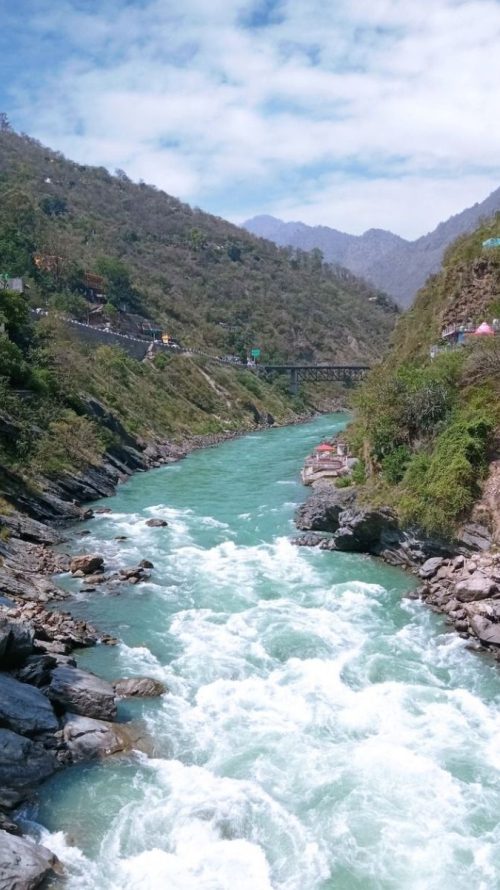
The Sindhu River, revered as one of the oldest and most sacred rivers of Bharat, formed the backbone of ancient civilization, trade, and spiritual life across the northwestern regions of the Indian subcontinent. Originating near Mount Kailash in the Tibetan plateau and flowing through Ladakh toward the Arabian Sea, the Sindhu nurtured early settlements, sacred sites, trade routes, and cultural networks for millennia. Along its banks emerged ancient cities, Buddhist monasteries, temples, forts, and pilgrimage centers, reflecting a civilization where ecology, spirituality, and human settlement evolved together.
Pilgrims and travelers historically followed the Sindhu’s course through Ladakh and the northwestern plains, visiting sacred confluences, monasteries, shrines, and ancient cultural centers. Ritual offerings, meditation, river worship, and participation in Sindhu Darshan traditions continue to preserve the river’s sacred legacy. The Sindhu also symbolized continuity of Vedic culture, trade, and civilizational identity across ancient Bharat.
Major Kshetras Along Sindhu 📊
| Kshetra | Region | Significance |
|---|---|---|
| Sindhu Ghat | Leh (Ladakh) | Sacred river worship and Sindhu Darshan celebrations |
| Shey & Thiksey | Ladakh | Monastic and spiritual centers along the Sindhu valley |
| Taxila | Ancient Gandhara region | Historic center of learning and trade |
| Mohenjo-daro | Sindh region | Major urban center of the Indus civilization |
| Debal / Sindh Coast | Arabian Sea region | Maritime trade and cultural exchange hub |
The Sindhu pilgrimage network connected monasteries, temples, settlements, and caravan routes across mountains, valleys, and plains. Riverbank communities developed rituals, festivals, and sacred observances linked to seasonal flows and agricultural cycles. Monasteries, shrines, and learning centers along the Sindhu preserved traditions of philosophy, meditation, trade culture, and spiritual discipline. The river became not only a source of sustenance but also a symbol of continuity, resilience, and civilizational identity. The Sindhu thus stands as more than a physical river — it is a timeless pathway of culture, spirituality, and historical memory, sustaining the enduring heritage of ancient Bharat across generations.
📿🕉️ Rituals and Pilgrimage Practices — Sindhu Nadi
Bathing in the sacred waters of the Sindhu River is believed to purify the body and mind, aligning devotees with strength, continuity, and spiritual balance. Since ancient times, the river has been revered as a sustaining force of life and civilization, and ritual bathing symbolizes renewal, gratitude, and connection with sacred nature. The flowing waters of the Sindhu are seen as carriers of both physical vitality and cultural memory.
Visiting monasteries, temples, shrines, and sacred riverbanks along the Sindhu offers opportunities for meditation, prayer, spiritual reflection, and learning. Across regions like Ladakh and the ancient Sindhu plains, spiritual centers developed where seekers engaged in philosophy, discipline, trade traditions, and devotional practices, sustaining a living heritage of wisdom and cultural exchange. Pilgrims participate in observances such as Sindhu Darshan festivals, sacred river worship, and seasonal gatherings along the riverbanks. These celebrations honor the Sindhu as a symbol of civilizational continuity, unity, and sacred geography, reinforcing the connection between nature, spirituality, and collective identity.
The Sindhu-linked landscapes are lined with ghats, monasteries, shrines, forts, and ancient settlement sites that served both ritual and community functions. These spaces reflect the harmony between river flow, human habitation, trade activity, and spiritual life that shaped the Sindhu civilization for thousands of years. Ancient settlement patterns along the Sindhu aligned cities, monasteries, marketplaces, and caravan routes along its fertile valley, creating a dynamic network of cultural, economic, and spiritual interaction. This integration of trade, governance, ritual, and daily life sustained one of the world’s earliest and most influential civilizations.
The Sindhu thus stands not merely as a river, but as a living pathway of heritage, resilience, and sacred continuity. It continues to inspire devotion, remembrance, and civilizational consciousness, guiding humanity toward harmony with nature, history, and timeless spiritual traditions.
🏛️🎶 Cultural, Architectural, and Educational Centers — Sindhu Nadi
The Sindhu River corridor stands among the oldest and most influential cultural landscapes of ancient Bharat, nurturing early cities, trade centers, monasteries, temples, and centers of learning across the northwestern regions of the subcontinent. Flowing from the Himalayan highlands through Ladakh and the fertile plains toward the Arabian Sea, the Sindhu shaped civilizations where spirituality, commerce, governance, and scholarship evolved together. Regions associated with the Sindhu became vibrant hubs of cultural exchange, linking mountain communities, urban settlements, and maritime trade networks into a vast civilizational framework.
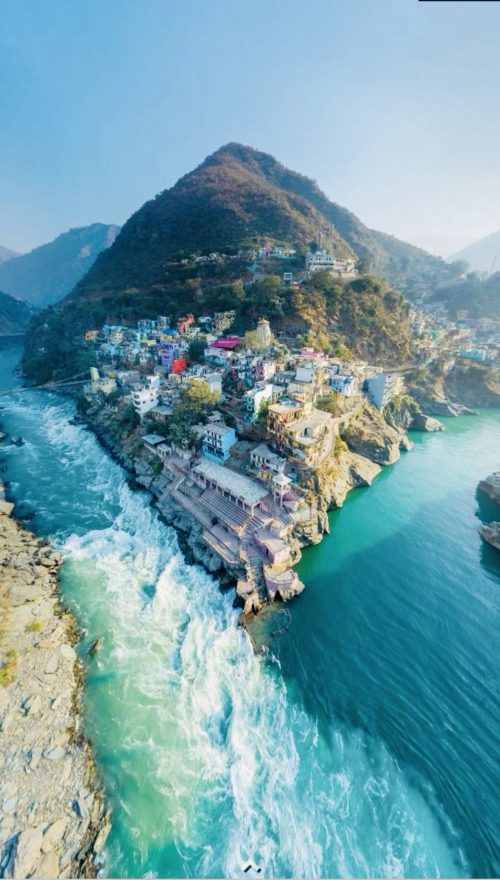
Monasteries and Knowledge Traditions
The Sindhu valley hosted monasteries, spiritual centers, and learning traditions where sages, monks, and scholars engaged in philosophy, meditation, astronomy, trade sciences, and cultural exchange. Ancient centers such as Taxila became renowned for education, attracting seekers from distant regions to study governance, medicine, language, and spiritual traditions. These institutions transformed the Sindhu corridor into a living pathway of wisdom, where knowledge and discipline flourished across generations.
Architectural Highlights
Architecture along the Sindhu reflected a blend of ecological adaptation, urban planning, and sacred symbolism. Ancient settlements featured fortified cities, granaries, water reservoirs, monasteries, stupas, temples, and organized marketplaces aligned with river flow and trade routes. Riverfront settlements integrated stone structures, ritual spaces, and caravan infrastructure, demonstrating sophisticated understanding of hydrology, defense, and civic organization. The monasteries and shrines of Ladakh further reveal harmony between mountain terrain, spiritual practice, and architectural resilience.
Cultural Integration
Trade, spiritual traditions, music, storytelling, and cultural exchange flourished along the Sindhu’s course, supported by merchants, monks, travelers, and local communities. Seasonal festivals, river worship, and gatherings along the Sindhu strengthened collective identity and preserved sacred traditions tied to the river. These practices blended devotion, commerce, learning, and artistic expression, making the Sindhu a unifying cultural force across regions and civilizations.
The Sindhu cultural corridor thus represents a timeless civilizational tapestry where spirituality, architecture, trade, and knowledge evolved together in harmony. From the Himalayan valleys to the Arabian Sea, the river continues to symbolize resilience, continuity, and the enduring cultural heritage of ancient Bharat.
🌊💧 River Type, Flow, and Hydrological Significance — Sindhu Nadi
The Sindhu River is one of the great perennial river systems of ancient and modern Bharat, originating near Mount Kailash in the Tibetan plateau and flowing northwest through Ladakh before entering the plains and eventually emptying into the Arabian Sea. Sustained by glacial melt, snow-fed streams, and seasonal monsoon rainfall, the Sindhu has maintained a continuous flow for thousands of years, supporting ecosystems, agriculture, settlements, and trade networks across vast regions of the Indian subcontinent.
The river system is strengthened by major tributaries such as the Jhelum, Chenab, Ravi, Beas, and Sutlej, forming one of the largest hydrological networks in South Asia. These tributaries enriched fertile plains, sustained agrarian civilizations, and created interconnected corridors of settlement, trade, and pilgrimage. Along these riverbanks emerged ancient cities, sacred sites, caravan routes, and centers of cultural interaction that shaped the history of the region.
Hydrological Characteristics:
Flow Pattern: Perennial river sustained by Himalayan glaciers, snowmelt, and monsoon rainfall, ensuring year-round water flow across varied terrains.
Soil and Ecology: Fertile alluvial plains supported agriculture, grasslands, riverine forests, and dense human settlement across the Sindhu basin.
River System: A vast tributary network created interconnected valleys and plains, enabling irrigation, inland transport, and ecological balance.
The hydrology of the Sindhu was deeply integrated into ancient settlement planning and civilizational development. Early communities established cities, reservoirs, irrigation channels, and trade centers along its banks, aligning habitation with seasonal flow patterns and fertile floodplains. Sophisticated water management systems reveal a deep understanding of hydrology, sustainability, and ecological adaptation.
- Sustained one of the world’s earliest urban civilizations.
- Influenced agricultural cycles, trade networks, and settlement growth.
- Supported interconnected cultural, spiritual, and economic centers.
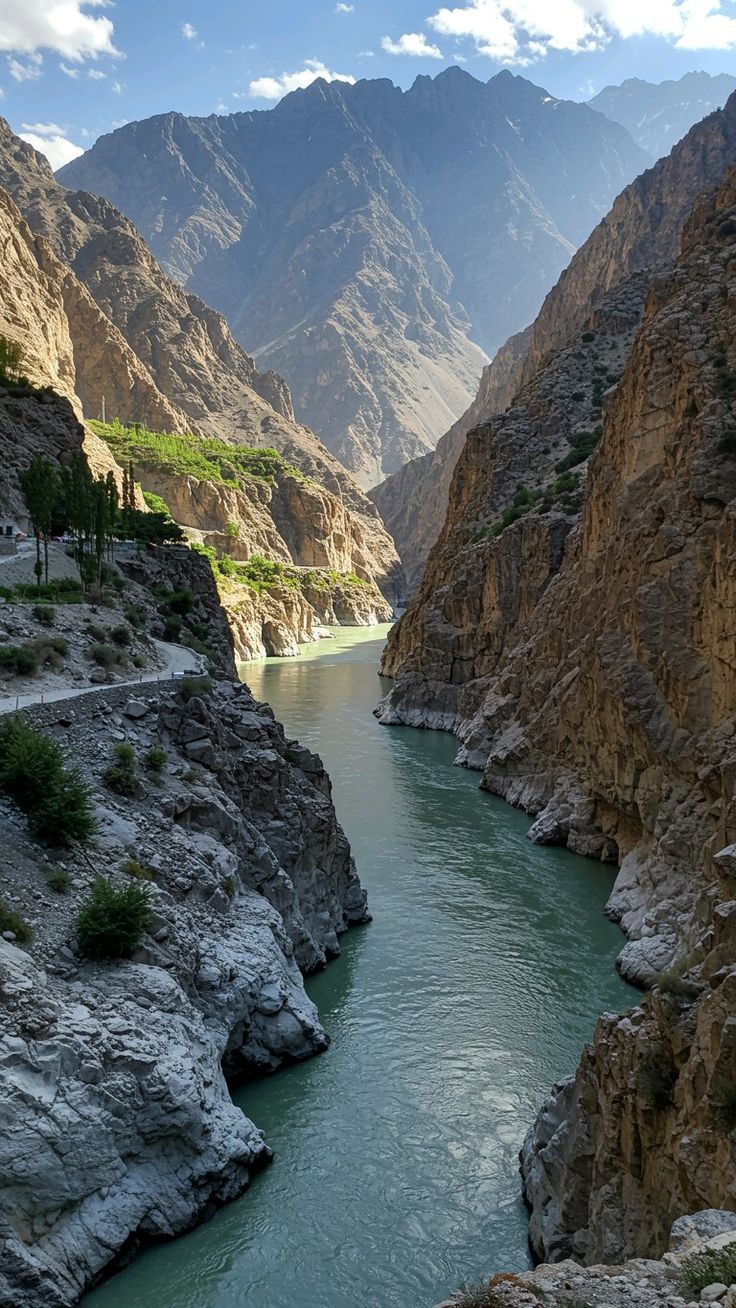
In this sense, the Sindhu is more than a river — it is a vast hydrological and civilizational framework that shaped the ecological, cultural, and economic foundations of ancient Bharat. Flowing from the Himalayan highlands to the Arabian Sea, the river continues to symbolize continuity, resilience, and the enduring relationship between water, nature, and civilization.
🌅🏞️ Delta, Confluence, and Economic Geography — Sindhu Nadi
The Sindhu River culminates in a vast delta along the Arabian Sea in present-day Sindh region, where its distributaries spread across fertile plains before meeting the sea. Unlike rivers that disappear into deserts or form narrow estuaries, the Sindhu creates an expansive deltaic system shaped by sediment deposits, tidal influences, and seasonal flooding. This delta became one of the most productive ecological and economic zones of the ancient world, supporting agriculture, fishing communities, maritime trade, and dense human settlement for thousands of years.
Over centuries, fertile alluvial deposits carried from the Himalayan regions enriched the lower Sindhu basin, transforming it into a thriving agricultural landscape. The plains supported cultivation of wheat, barley, cotton, dates, and pulses, sustaining early urban civilizations and large populations. Sophisticated irrigation channels and floodplain farming practices enabled communities to adapt to seasonal river cycles while maintaining economic stability and food security.
Major confluences within the Sindhu river system — especially those formed by the Jhelum, Chenab, Ravi, Beas, and Sutlej rivers — developed into major cultural, strategic, and economic centers. These sangamas connected fertile valleys, trade routes, and settlement clusters, strengthening regional interaction and civilizational growth across northwestern Bharat.
Economic Significance:
Agriculture: Fertile floodplains and irrigation systems supported extensive farming, pastoral life, and surplus production across the Sindhu basin.
Trade Routes: The river functioned as a major inland trade corridor, linking Himalayan regions, urban settlements, and Arabian Sea ports for exchange of grains, textiles, metals, and crafts.
Maritime Economy: Coastal settlements near the Sindhu delta connected inland civilizations with maritime trade networks extending toward West Asia and beyond.
The Sindhu profoundly shaped settlement patterns across ancient Bharat. Cities, ports, forts, and marketplaces developed strategically along riverbanks and tributary junctions, integrating water access, agriculture, trade, and civic organization. Riverine and coastal settlements evolved into vibrant centers of economic and cultural exchange, connected through caravan routes and navigable waterways.
Cultural and Historical Impact:
- Ancient urban centers flourished along the Sindhu and its tributaries, forming one of the world’s earliest civilizations.
- The fertile basin supported networks of trade, craftsmanship, and cultural interaction across regions.
- Riverfront settlements became centers of ritual life, governance, and social organization.
In essence, the Sindhu delta and its confluences represent a civilization deeply connected with river flow, fertile geography, and maritime exchange. Ecology, economy, spirituality, and urban life evolved together along its course, creating one of the most enduring and influential riverine civilizations in the history of ancient Bharat.
📿🕉️ Pilgrimage Festivals and Ritual Practices — Sindhu Nadi
The Sindhu River has long served as a sacred and civilizational pilgrimage corridor across the northwestern regions of Bharat and the Himalayan landscape. Revered in ancient texts as a mighty and life-sustaining river, Sindhu pilgrimage traditions reflect themes of purity, resilience, gratitude, and connection with nature. From the high-altitude regions near Mount Kailash and Ladakh to the fertile plains of ancient Sindhu civilization, the river nurtured sacred observances, cultural gatherings, and spiritual traditions for centuries.
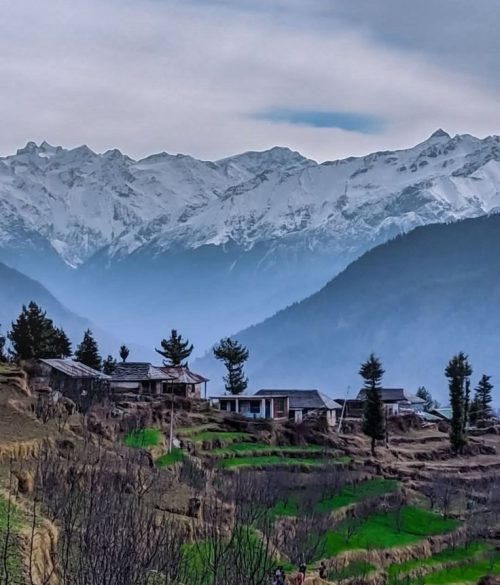
Major Ritual Practices
Holy Dips: Bathing in the Sindhu during auspicious occasions is believed to purify body and mind while invoking strength, clarity, and spiritual balance. The river’s swift Himalayan flow symbolizes vitality and continuity of life.
Temple Offerings: Rituals along the Sindhu include jal-arpana, Vedic chanting, lamp offerings, pradakshina, and prayers to river deities. Devotees honor the river as a sustaining force that nourishes both civilization and spiritual consciousness.
Meditation and Sacred Gatherings: Monks, sages, and pilgrims engage in meditation, recitation of scriptures, and spiritual reflection along Sindhu-linked sacred spaces. These practices reinforce discipline, inner awareness, and harmony with nature.
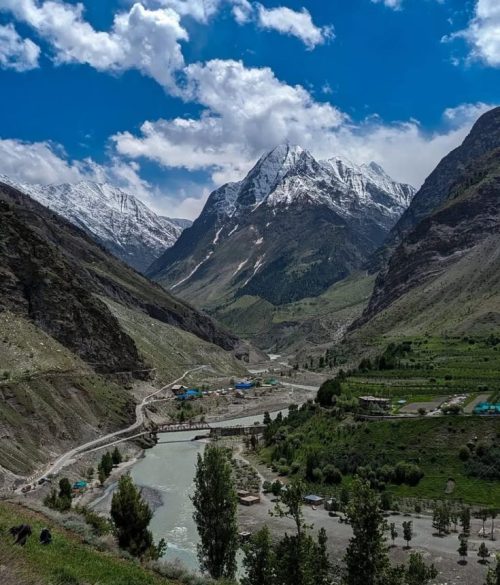
Major Festivals
Sindhu Darshan Festival: Celebrated especially in Ladakh, this festival honors the cultural and spiritual significance of the Sindhu River through rituals, prayers, cultural performances, and communal gatherings.
Kartik Purnima and Sacred Observances: Pilgrims perform ritual bathing, charity, and prayers during auspicious lunar periods, seeking purification and spiritual merit.
Continuous Pilgrimage Traditions: Throughout the year, devotees and seekers visit Sindhu-associated sacred regions, sustaining traditions of prayer, remembrance, and cultural unity connected with the ancient river.
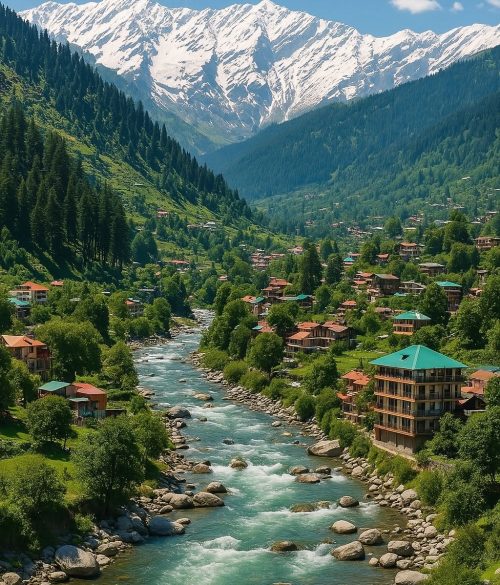
Spiritual Infrastructure
Riverbanks, prayer sites, monasteries, and temple spaces along the Sindhu serve both ritual and community functions, supporting gatherings, worship, and cultural continuity.
Monastic centers, temples, and spiritual institutions preserve traditions of chanting, meditation, philosophy, and sacred learning linked with the Sindhu region.
Sacred centers across Ladakh and ancient Sindhu regions integrate devotion, cultural heritage, and ecological reverence, ensuring continuity of the river’s spiritual legacy.
The Sindhu itself becomes a symbol of endurance, sacred flow, and civilizational continuity in Sanatana tradition. Its waters represent strength, movement, and the eternal connection between humanity and nature. Pilgrims align their prayers, rituals, and reflections with the river’s timeless journey through mountains and plains. Sindhu’s festivals and sacred practices celebrate not only the sanctity of water but also the unity of culture, spirituality, and civilization. Through these enduring traditions, the Sindhu continues to inspire devotion, cultural memory, and reverence for the sacred rhythms of nature across generations.
🏛️🌾 Historical Settlements Along Sindhu Nadi
The Sindhu River nurtured one of the world’s earliest and most influential civilizations, supporting continuous human habitation across the northwestern regions of the Indian subcontinent for thousands of years. Flowing from the Tibetan plateau through Ladakh and into the fertile plains, the Sindhu sustained agrarian communities, urban centers, trade networks, and spiritual traditions. Archaeological and historical evidence associates the Sindhu basin with the great Indus Valley Civilization, where advanced settlement planning, water management, craft production, and organized civic life flourished in harmony with river ecology.
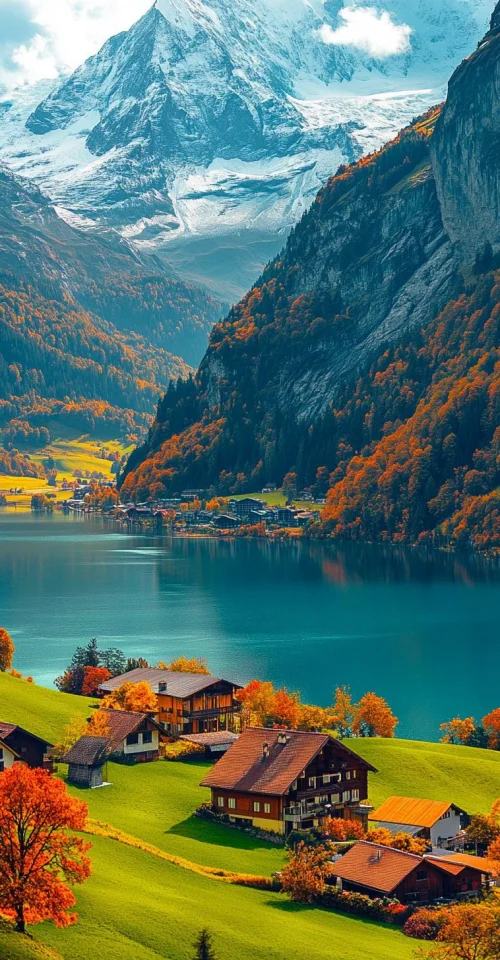
Harappa (Punjab Region): One of the principal urban centers of the Indus Valley Civilization, Harappa developed along the fertile plains nourished by the Sindhu system. The settlement featured organized streets, granaries, drainage systems, and vibrant trade activity, reflecting sophisticated civic planning and economic organization.
Mohenjo-daro (Sindh Region): Among the most remarkable ancient cities of the Sindhu civilization, Mohenjo-daro showcased advanced urban architecture, water reservoirs, marketplaces, and public structures. Its layout demonstrates deep knowledge of hydrology, sanitation, and community organization. Taxila (Takshashila): Located near important trade and cultural routes connected to the Sindhu basin, Taxila evolved into a renowned center of learning, philosophy, and cultural exchange. It linked the river corridor with broader intellectual and commercial networks across Asia. Sindhu Delta Settlements: Communities near the lower Sindhu basin and delta regions adapted to estuarine ecology, maritime trade, fishing, and agriculture. These settlements connected inland civilization with Arabian Sea trade routes, strengthening economic and cultural interaction.
Settlement Patterns
Early communities settled along the Sindhu for fertile alluvial plains, dependable water supply, and access to trade routes. The river supported agriculture, pastoral life, and expanding urbanization, enabling the growth of stable and interconnected settlements. Advanced drainage systems, reservoirs, wells, and canal-like water structures reveal sophisticated hydrological knowledge and urban planning traditions. These systems supported sanitation, irrigation, storage, and sustainable civic life across varying environmental conditions. Settlement layouts integrated residential districts, marketplaces, workshops, granaries, ritual spaces, and administrative centers, reflecting an organized and balanced approach to social, economic, and cultural life.
The Sindhu corridor profoundly shaped social organization, agriculture, trade, and cultural development across ancient northwestern Bharat. Continuous habitation along its banks created interconnected urban and rural landscapes where commerce, craftsmanship, spirituality, and governance evolved together. Major settlements along the Sindhu became centers of innovation, exchange, and civilizational growth, linking mountains, plains, and coastal regions into a dynamic cultural network. Even today, the legacy of the Sindhu survives through archaeological remains, historical memory, and enduring reverence for the river that gave India its ancient identity and sustained one of humanity’s earliest urban civilizations.
🛕🙏 Temples and Spiritual Centers — Sindhu Nadi
The Sindhu River, one of the most ancient and revered rivers of Bharat, has long been associated with sacred landscapes, spiritual traditions, and centers of cultural exchange across the Himalayan and northwestern regions. Flowing from the highlands near Mount Kailash through Ladakh and beyond, the Sindhu nurtured early settlements, trade routes, meditation traditions, and sacred observances. Though widely remembered as the cradle of the Sindhu civilization, the river also carried deep spiritual significance, linking nature, devotion, and disciplined living across generations.
Major Spiritual Centers:
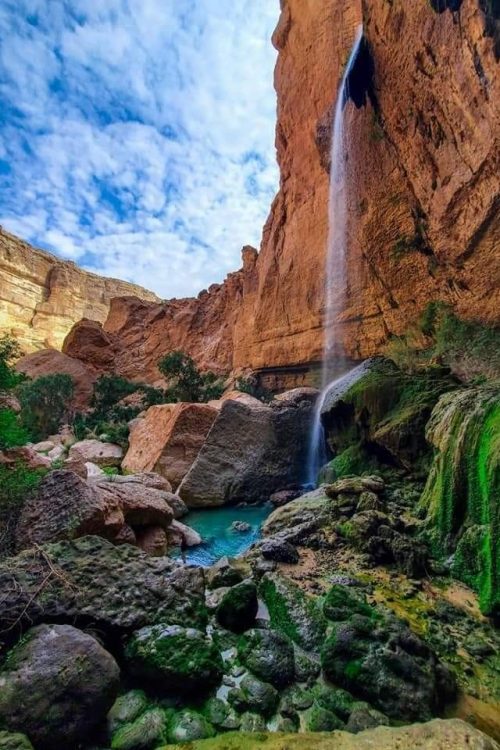
Leh (Ladakh Region):
The Sindhu Ghats near Leh are among the most important modern spiritual and cultural centers associated with the Sindhu River. Pilgrims and devotees gather here for prayers, ritual offerings, and the annual Sindhu Darshan celebrations, honoring the river as a symbol of unity, continuity, and sacred heritage.
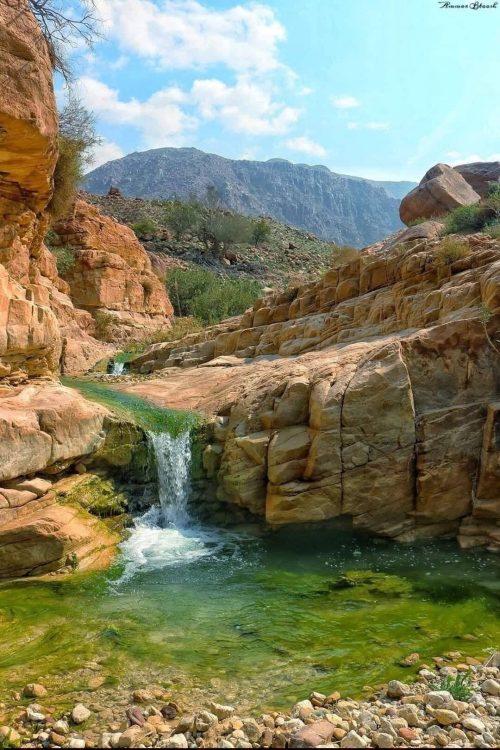
Sindhu Source Region
Mount Kailash–Manasarovar Region (Traditional Source Association). The upper Sindhu region near the Tibetan plateau and Mount Kailash is regarded as spiritually significant in multiple traditions. Snow-fed streams and sacred landscapes associated with the river symbolize purity, cosmic balance, and the origin of life-giving waters flowing across the Himalayan world.
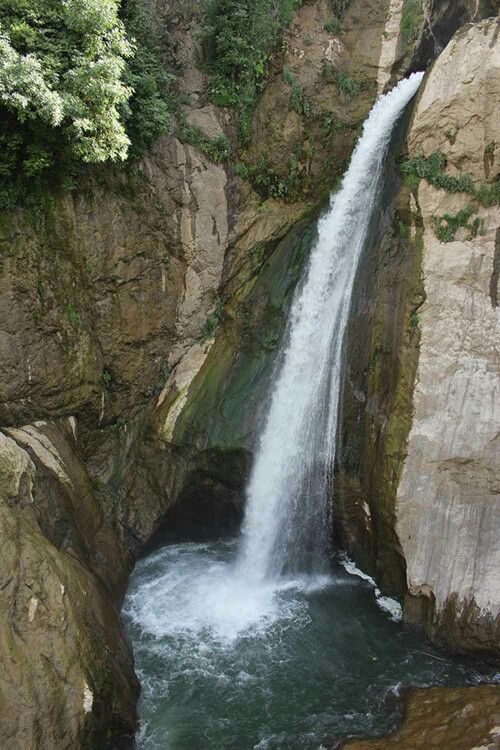
Ancient Sindhu Civilization Sites
Harappa and Mohenjo-daro Regions. Though primarily remembered as archaeological centers of the Sindhu civilization, these regions also reflect the spiritual and ritual dimensions of river-centered life. Ritual baths, sacred spaces, and carefully planned water systems reveal the importance of purity, water reverence, and communal observances in early Sindhu society.
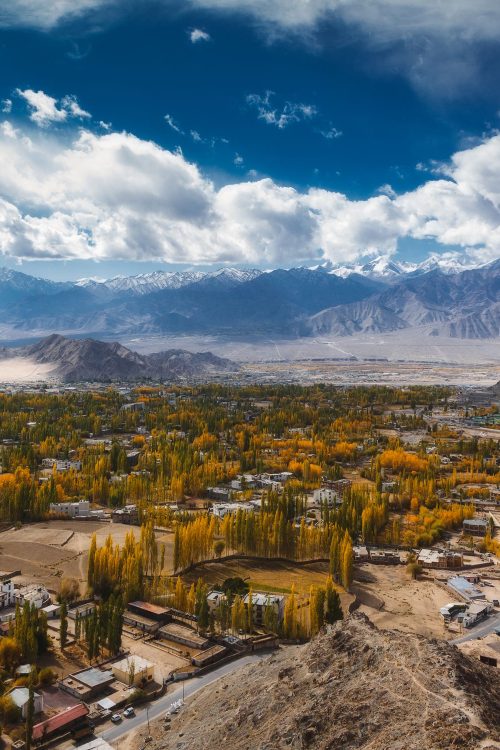
Multan and Sindh Sacred Traditions
Sindh Region Historic temples, shrines, and spiritual centers across the Sindhu plains preserved traditions of river worship, meditation, and pilgrimage for centuries. These sacred landscapes connected river ecology with community life, trade activity, and devotional practices.
Ghats associated with the Sindhu are found along riverbanks, mountain valleys, and sacred gathering spaces, where devotees perform ritual bathing, prayer, meditation, and community observances. These riverfront spaces function as spiritual thresholds connecting people with the powerful flow of the Sindhu, while also supporting cultural interaction, seasonal gatherings, and traditions rooted in reverence for nature and sacred water. Along the Himalayan stretches and plains of the Sindhu basin, these ghats became places of reflection, discipline, and communal harmony.
Ashrams, monasteries, and hermitages along the Sindhu corridor served as centers of meditation, spiritual learning, and cultural exchange. Sages, monks, and seekers practiced yoga, contemplation, scriptural study, and disciplined living in these environments shaped by the river’s natural rhythm. These institutions preserved oral traditions, philosophical teachings, and sacred practices, transforming the Sindhu region into a landscape of both spiritual depth and civilizational continuity.
Temples and sacred sites connected with the Sindhu embody the understanding of rivers as divine lifelines sustaining both material and spiritual existence. Rituals performed along the river emphasize purification, gratitude, harmony with nature, and reverence for cosmic order. Their placement across valleys, trade routes, and settlement centers reflects a deep ecological and spiritual awareness, where devotion, landscape, and community life merge into a unified sacred experience.
The Sindhu’s spiritual centers remain interconnected through pilgrimage traditions, historical memory, and sacred geography, allowing devotees to undertake journeys along the river as part of a continuous Sindhu Yatra. This network links monasteries, shrines, temples, settlements, and ritual spaces into a flowing corridor of spirituality and cultural identity, where each sacred site becomes part of a larger civilizational journey.
Ritual practices such as holy bathing, meditation, chanting, lamp offerings, and observance of festivals like Sindhu Darshan continue to sustain the river’s sacred legacy. Daily worship and spiritual gatherings align with the enduring movement of the Sindhu, reflecting a rhythm of life shaped by flowing water, seasonal cycles, and collective memory.
The Sindhu is not merely a river of the past — it is a living embodiment of endurance, continuity, and sacred civilization. Through spiritual traditions, cultural heritage, and ritual observances, it continues to guide communities toward harmony, resilience, and reverence for the timeless relationship between humanity, nature, and sacred flow.
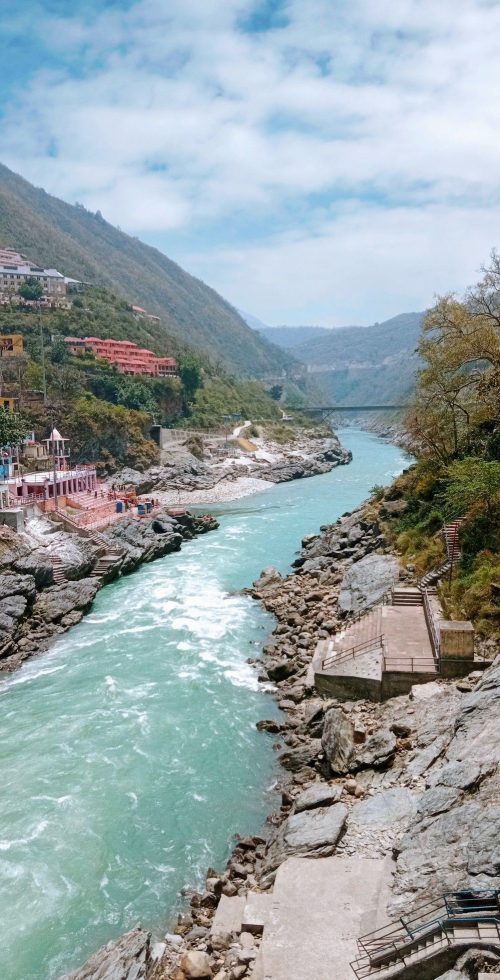
🏞️🕉️ Sacred Ghats and Ritual Architecture — Sindhu Nadi
Sacred ghats associated with the Sindhu River are found along mountain valleys, riverfront settlements, and ancient cultural regions connected with the river’s historic flow. These spaces are not merely stone embankments leading to water but living expressions of Sanatana philosophy, ecological harmony, and river-centered civilization. From the high-altitude Sindhu Ghats of Ladakh to sacred riverfronts across the broader Sindhu basin, these sites function as spiritual thresholds where purification, devotion, reflection, and community life converge.
Functions of Ghats
Ritual Purification: Devotees perform snana, prayer, and ritual offerings in the Sindhu during auspicious observances such as Sindhu Darshan celebrations, Kartik Purnima, and sacred seasonal transitions. These practices symbolize purification, gratitude, and alignment with the sacred rhythm of nature and flowing water.
Life-Cycle Events: Sindhu-linked sacred spaces host rites such as naming ceremonies, vratas, memorial rituals, and community observances. These traditions reflect the understanding of the river as a sustaining force accompanying human life through cycles of birth, growth, remembrance, and renewal. Community Engagement: Ghats and riverfront spaces along the Sindhu serve as centers for spiritual discourse, chanting, meditation gatherings, cultural festivals, and communal interaction. They encourage dialogue between pilgrims, monks, travelers, and local communities, blending sacred observance with cultural continuity.
| Ghat / Site | Location | Historical / Cultural Role |
|---|---|---|
| Sindhu Ghat | Leh (Ladakh) | Ritual worship, Sindhu Darshan celebrations, cultural gatherings |
| Skardu Riverfront Sites | Baltistan Region | Historic trade-route settlements and sacred river traditions |
| Upper Sindhu Valleys | Tibetan–Ladakh Region | Source-region spirituality, meditation landscapes |
| Lower Sindhu Settlements | Sindh Region | Riverfront worship, cultural exchange, community rituals |
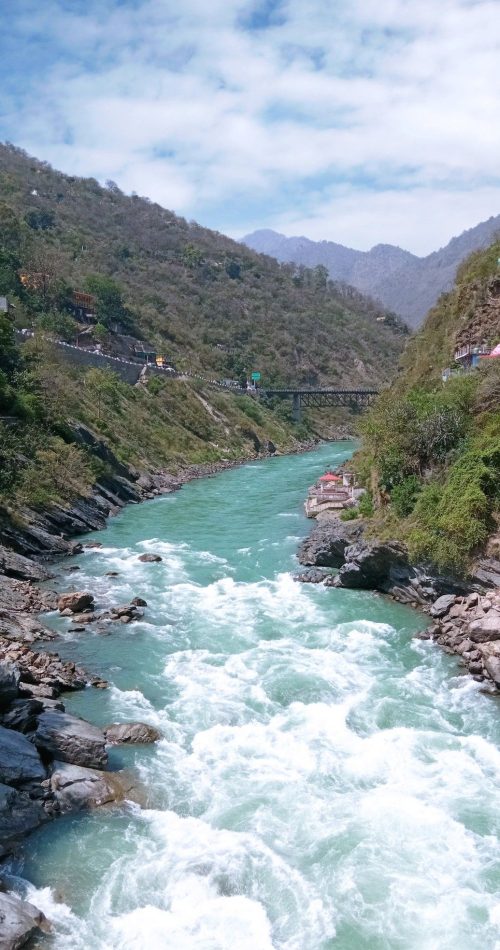
Sacred architecture linked with the Sindhu includes monasteries, shrines, riverfront platforms, prayer spaces, and ritual gathering points integrated with the natural landscape. Unlike densely stepped ghats of some other rivers, Sindhu’s ritual spaces often harmonize with rugged valleys, mountain terrain, and open riverbanks, reflecting adaptation to geography and climate. These structures embody the Sanatana understanding of water as a sacred force connecting humanity, ecology, and cosmic order. In essence, the Sindhu’s ritual architecture sustains a civilizational dialogue between flowing water, sacred geography, and cultural memory. Through riverfront rituals, prayer gatherings, chants, and pilgrimage traditions, the Sindhu continues to inspire spiritual awareness, ecological reverence, and cultural continuity across generations.
🛕🌿 Pilgrimage Networks and Ashrams
The Sindhu River supports an ancient and far-reaching pilgrimage network that connects sacred valleys, monasteries, temples, riverfront settlements, and spiritual centers across the Himalayan and northwestern regions. Flowing from the highlands near Mount Kailash through Ladakh and beyond, the Sindhu forms a continuous cultural and spiritual pathway where devotion, meditation, trade, and civilizational exchange evolved together. Pilgrimage along the Sindhu reflects reverence for nature, sacred geography, and the enduring rhythm of river-centered life.
Ashrams and Monastic Traditions: Along the Sindhu corridor, monasteries, hermitages, and spiritual centers developed as spaces for meditation, scriptural learning, yoga, and disciplined living. Monks, sages, and seekers practiced contemplation, philosophical inquiry, chanting, and spiritual austerity in harmony with the river’s natural surroundings. These institutions preserved sacred teachings, oral traditions, and cultural continuity across generations.
Interconnected Tirthas: Sacred sites such as Sindhu Ghat in Leh, upper Himalayan valleys, monasteries of Ladakh, and ancient Sindhu settlements formed interconnected pilgrimage circuits. These tirthas linked mountain spirituality, river worship, and cultural exchange, sustaining a sacred network rooted in devotion and ecological awareness.
Pilgrimage Cycles: Yatras along the Sindhu align with seasonal observances, sacred festivals such as Sindhu Darshan, Kartik Purnima, and traditional Himalayan spiritual calendars. Pilgrims participate in prayer, meditation, ritual bathing, lamp offerings, and spiritual gatherings, harmonizing their journeys with the river’s timeless flow and the rhythms of nature.
The Sindhu’s sacred network sustains uninterrupted spiritual and cultural traditions, making the river a living civilizational artery rather than merely a geographical feature. Pilgrimage here reflects not only physical travel but also inner reflection, resilience, and reverence for the sacred landscape.
🏙️🎨 Urban Development and Cultural Continuity
Settlements along the Sindhu developed as early centers of trade, spirituality, governance, and cultural interaction across the northwestern regions of the Indian subcontinent. From Himalayan settlements in Ladakh to the great urban centers of the Sindhu civilization, communities evolved in close relationship with the river’s flow, fertile plains, and trade routes. These settlements reflected a balanced integration of ecology, water management, craftsmanship, and sacred tradition.
Settlement Planning: Ancient communities established settlements along fertile floodplains, elevated riverbanks, and strategic trade corridors connected to the Sindhu basin. Urban layouts incorporated water reservoirs, drainage systems, marketplaces, ritual spaces, and residential districts, reflecting advanced planning and ecological adaptation.
Centers of Learning and Culture: Monasteries, temples, cultural institutions, and scholarly centers along the Sindhu preserved traditions of philosophy, spiritual discourse, art, and craftsmanship. These spaces encouraged cultural exchange between travelers, monks, traders, and local communities, enriching the intellectual and spiritual landscape of the region.
Water and Civic Infrastructure: Reservoirs, wells, canals, and sophisticated drainage systems supported both civic life and ritual practices. These structures demonstrate deep hydrological knowledge and a civilizational understanding of water as essential for sustainability, purification, and communal well-being.
Sindhu-linked settlements preserved trade traditions, spiritual practices, craftsmanship, and cultural memory for centuries. They became vibrant spaces where governance, commerce, devotion, and daily life evolved together, shaping one of the world’s earliest and most enduring riverine civilizations. In this way, the Sindhu continues to flow not only through geography but also through cultural heritage, sacred traditions, and collective memory — sustaining a timeless connection between humanity, nature, and civilization across generations.
🕉️💧 Closing Reflection — Sindhu as Civilizational Lifeline
The Sindhu River is not merely a flowing watercourse; it is one of the oldest civilizational lifelines of Bharat, sustaining settlements, trade, spiritual traditions, and cultural exchange for thousands of years. Flowing from the Himalayan and Tibetan highlands through Ladakh and the northwestern regions, the Sindhu nurtured ancient communities, sacred traditions, and historic trade networks that shaped the identity of the Indian subcontinent itself. Temples, monasteries, riverfront settlements, and pilgrimage traditions along its banks reflect a continuous cultural heritage where ecology, spirituality, and human life evolved together.
Its waters nourished fertile valleys, trade routes, and historic settlements, guiding travelers, monks, scholars, and communities across diverse landscapes. The Sindhu embodies harmony between mountain ecology, riverine civilization, sacred geography, and human resilience, becoming a symbol of continuity, strength, and cultural memory.
Sindhu sustains life in ecological, cultural, and spiritual dimensions.
Pilgrimage and ritual practices along the river integrate devotion, meditation, seasonal observances, and cultural continuity.
Its sacred sites, monasteries, settlements, and trade corridors reflect centuries of civilizational wisdom, preserving both heritage and collective identity.
As long as the Sindhu continues to flow — from the high Himalayan regions toward the Arabian Sea — it remains a timeless witness to the endurance of civilization, spirituality, and cultural exchange. The river continues to connect humanity with sacred landscapes, historical memory, and the enduring spirit of Bharat’s ancient heritage.