Saraswati Nadi — The Sacred Artery of Ancient Bharat 🌊🕉️
The Saraswati Nadi is one of the most revered and mysterious rivers of ancient Bharat, flowing as a life-giving and knowledge-bearing artery across the Vedic landscape. Believed to have originated in the Himalayan regions and flowing through northwestern India toward the Rann of Kutch, the Saraswati shaped early civilization, Vedic culture, and sacred geography for thousands of years. Along its banks flourished ancient kshetras, yajna sites, gurukuls, and early settlements, where rishis composed Vedic hymns and established foundations of knowledge, ritual, and philosophy. The river is celebrated not only as a physical watercourse but also as a divine embodiment of wisdom, learning, and spiritual illumination, reflecting a civilization where ecology, knowledge, and devotion evolved together.
Formation and Geography — Saraswati Nadi 🏔️💧
The Saraswati Nadi is described in ancient Vedic texts as originating in the Himalayan regions, flowing through northwestern Bharat across present-day Himachal Pradesh, Haryana, Rajasthan, and Gujarat. It is believed to have emerged from glacial and subterranean sources, sustained by seasonal snowmelt and monsoon-fed tributaries. Over time, due to tectonic shifts and climatic changes, the visible flow of the river diminished, and it became largely subterranean, continuing as a sacred and symbolic presence.
From its source, the Saraswati is said to have flowed across the plains for an extensive course before disappearing into the desert regions and eventually merging with the western seas, often associated with the Rann of Kutch. Along its path, the river supported fertile lands, early settlements, and some of the oldest known centers of Vedic civilization.
📊 Geographical Features of Saraswati
| Feature | Detail |
|---|---|
| Source | Himalayan region (traditional accounts) |
| Elevation at Source | High-altitude glacial origins (approximate) |
| Length | Estimated ~1,500 km (ancient references) |
| Major Tributaries | Drishadvati, Ghaggar–Hakra system (associated channels) |
| Basin Area | Northwestern Indian subcontinent (historical extent) |
| Mouth | Disappearing into desert / Rann of Kutch (traditional belief) |
| Regions Traversed | Himachal Pradesh, Haryana, Rajasthan, Gujarat (ancient course) |
Major associated river systems such as the Drishadvati and Ghaggar-Hakra channels are often linked with the Saraswati’s course, supporting fertile plains and early agrarian communities. These channels created regions of settlement, ritual activity, and cultural development, where Vedic practices and early urban life flourished. Geologically, the Saraswati is believed to have flowed through tectonically active zones, where river capture, shifting courses of neighboring rivers like the Yamuna and Sutlej, and climatic changes gradually altered its flow. As a result, the river transitioned from a visible, perennial stream to a largely subterranean presence. Despite its physical disappearance, the Saraswati remains a powerful geographical and cultural memory, shaping ancient settlement patterns, sacred geography, and Vedic traditions. Its legacy continues through archaeological sites, paleo-channels, and enduring spiritual reverence, making it a unique river that bridges physical geography with civilizational consciousness.
🏛️📜 Historical Significance and Civilizational Role — Saraswati Nadi
The Saraswati River occupies a unique and sacred place in Bharat’s civilizational memory, revered in Vedic literature as a mighty river that nurtured early settlements, learning centers, and spiritual traditions. Ancient texts describe it as a flowing lifeline across northwestern India, where early Vedic communities flourished, practicing agriculture, ritual worship, and philosophical inquiry. The river’s basin is associated with some of the earliest organized settlements, often linked with the broader Indus–Saraswati civilization, where ecology, culture, and spirituality evolved together.
Its fertile plains supported cultivation of grains, pastoral life, and emerging trade networks, sustaining dense populations and early urban formations. The Saraswati was not only a source of water but also a sacred axis of knowledge, where rishis composed Vedic hymns, conducted yajnas, and established gurukuls. Over time, even as the river’s visible flow diminished, its spiritual and cultural significance continued to guide traditions, rituals, and sacred geography across generations.
Major Settlements Along Saraswati 📊
| Ancient Name | Modern Association | Significance |
|---|---|---|
| Brahmavarta | Haryana region | Vedic heartland; center of early rituals and learning |
| Kurukshetra | Kurukshetra | Sacred land of dharma; Vedic and epic significance |
| Vinasana | Rajasthan region | Point where river is believed to have disappeared |
| Prabhasa | Somnath (Gujarat) | Sacred coastal region; pilgrimage and cultural hub |
Dynasties and early communities across northwestern India relied on the Saraswati basin for sustenance, ritual life, and cultural development. The river is frequently mentioned in the Vedas as a symbol of knowledge, purity, and divine inspiration, making it central to the intellectual and spiritual foundations of Sanatana Dharma.
The Saraswati corridor became a cradle of learning, where Vedic recitation, ritual sciences, astronomy, grammar, and philosophy were cultivated and transmitted through generations. Gurukuls, yajna sites, and hermitages along its banks fostered a culture of inquiry and discipline, shaping the intellectual heritage of ancient India.
- Served as a foundational civilizational axis of Vedic culture.
- Supported early agrarian and pastoral communities.
- Hosted centers of spiritual learning, yajnas, and Vedic scholarship.
- Enabled cultural and trade connections across northwestern India.
The Saraswati’s journey — from its Himalayan origins through fertile plains and into the desert — forms a symbolic and historical corridor of immense significance. Even in its invisible or subterranean form, the river continues to live in memory, scripture, and tradition. It represents not just a physical watercourse, but a timeless stream of knowledge, spirituality, and civilizational continuity that shaped the foundations of Bharat’s ancient heritage.
Sacred Kshetras, Temples, and Pilgrimage Circuits — Saraswati Nadi 🛕🙏
The Saraswati River, though no longer visible in its full physical form, remains deeply embedded in Bharat’s sacred geography and pilgrimage traditions. Revered in the Vedas as a divine river of knowledge and purity, Saraswati is associated with numerous kshetras, yajna sites, and ancient learning centers across northwestern India. From its traditional Himalayan origins through regions like Kurukshetra and Rajasthan to its believed disappearance, the river forms a subtle yet continuous spiritual corridor linking temples, tirthas, and sacred landscapes.
Pilgrims traditionally visit sites associated with the Saraswati’s ancient course, especially in regions like Kurukshetra, Adi Badri, and Prabhasa. Sacred practices include ritual bathing in kunds believed to be connected to the river, performing yajnas, temple darshan, meditation, and participation in Vedic rituals. Unlike other river yatras, the Saraswati pilgrimage emphasizes remembrance, Jñāna (knowledge), and spiritual continuity, reflecting the river’s symbolic presence.
Major Kshetras Along Saraswati 📊
| Kshetra | State | Significance |
|---|---|---|
| Adi Badri | Haryana | Considered a primary origin site; sacred pilgrimage point |
| Kurukshetra | Haryana | Vedic and epic center; yajnas, sacred tanks, and rituals |
| Vinasana | Rajasthan | Region where Saraswati is believed to have disappeared |
| Pushkar | Rajasthan | Sacred tirtha; associated with yajnas and Brahma worship |
| Prabhasa (Somnath) | Gujarat | Coastal sacred site; linked to ancient confluence traditions |
The Saraswati pilgrimage network is unique in that it connects visible and invisible sacred geography. Rituals often take place at kunds, step wells, and temple tanks believed to be fed by the subterranean flow of the river. These sites preserve continuity of Sanatana practices through yajnas, Vedic chanting, and seasonal observances. Temples, ashrams, and gurukuls along this corridor historically functioned as centers of learning, where rishis and acharyas transmitted Vedic knowledge, philosophy, grammar, and ritual sciences. The river thus became synonymous not only with purification but also with wisdom and intellectual awakening. The Saraswati stands as more than a physical river — it is a sacred pathway of knowledge, devotion, and remembrance. Through its kshetras, pilgrimage circuits, and enduring spiritual traditions, it continues to sustain the timeless flow of Sanatana Dharma across generations.
📿🕉️ Rituals and Pilgrimage Practices — Saraswati Nadi
Bathing in sacred kunds and tirthas associated with the Saraswati is believed to purify the body and mind, aligning devotees with higher spiritual awareness. Though the river is largely invisible today, its presence is invoked through ritual waters, symbolizing inner cleansing, ज्ञान (knowledge), and spiritual awakening. These practices reflect the belief that Saraswati flows both externally and within consciousness.
Visiting temples, yajna sites, and ancient learning centers along the Saraswati’s traditional course offers opportunities for meditation, Vedic study, and guidance from scholars and spiritual teachers. These sacred spaces emphasize discipline, wisdom, and self-realization, continuing the river’s legacy as a source of knowledge and enlightenment.
Pilgrims participate in observances such as Vasant Panchami, sacred yajnas, and ritual gatherings in regions like Kurukshetra and Pushkar. These festivals celebrate Saraswati as the goddess of knowledge, music, and learning, reinforcing the connection between time, ritual cycles, and intellectual tradition.
The Saraswati-linked landscapes are dotted with kunds, step wells, and temple complexes that serve both ritual and community purposes. These structures embody Sanatana principles of sacred geography, where water—visible or hidden—remains central to worship, settlement, and cultural continuity.
Ancient settlement patterns along the Saraswati aligned gurukuls, yajna vedis, temples, and marketplaces along its course, creating a vibrant network of spiritual and intellectual activity. This integration of learning, ritual, and daily life sustained one of the earliest cultural ecosystems in Bharat.
The Saraswati thus stands not merely as a lost river, but as a living spiritual pathway of knowledge and remembrance. It continues to inspire devotion, discipline, and civilizational continuity, guiding seekers toward wisdom, inner clarity, and timeless connection with the sacred.
🏛️🎶 Cultural, Architectural, and Educational Centers — Saraswati Nadi
The Saraswati River corridor, though largely invisible today, remains one of the most profound cultural and intellectual landscapes in Bharat’s ancient history. Flowing through the northwestern regions, it nurtured early Vedic settlements, yajna sites, temples, and centers of learning. Regions associated with Saraswati—such as Kurukshetra, Pushkar, and Prabhasa—became hubs where spirituality, scholarship, and social organization evolved together, forming a foundational civilizational framework rooted in knowledge and sacred practice.
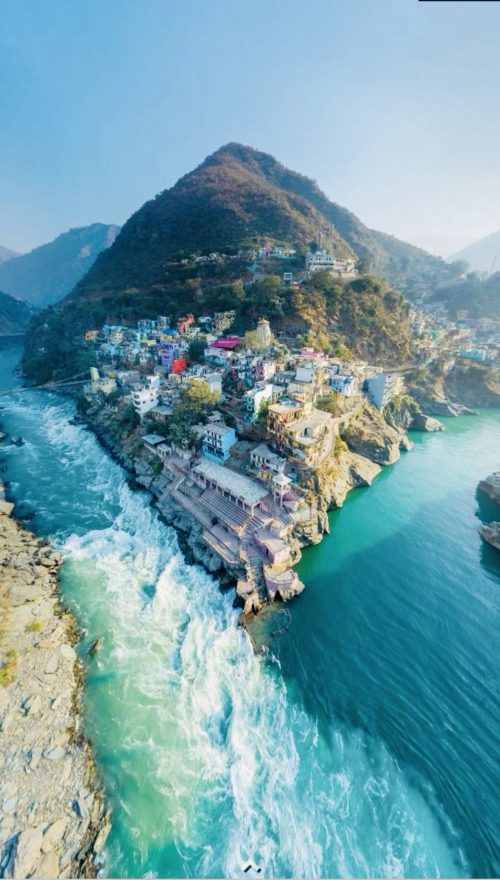
Ashrams and Knowledge Traditions
The banks of the Saraswati were once home to renowned rishis, gurukuls, and yajna-centered ashrams, where seekers engaged in Vedic study, meditation, and disciplined living. These centers functioned as early universities, transmitting knowledge of the Vedas, grammar, astronomy, philosophy, and ritual sciences. The river thus became synonymous with learning and wisdom, shaping Bharat’s intellectual traditions and preserving them through oral and scriptural continuity across generations.
Architectural Highlights
Sacred architecture along the Saraswati emphasized yajna vedis, temple complexes, kunds, and step wells designed for ritual and community use. Unlike large riverfront ghats seen elsewhere, Saraswati’s landscape featured ritual enclosures and water structures aligned with sacred geometry and Vedic practices. These designs reflected ecological awareness and spiritual symbolism, integrating water conservation, ritual purification, and settlement planning into a unified sacred geography.
Cultural Integration
Vedic chanting, yajnas, philosophical debates, and seasonal observances flourished along the Saraswati’s course, supported by scholars, sages, and local communities. Festivals such as Vasant Panchami, dedicated to Saraswati as the goddess of knowledge, continue to preserve this legacy. These traditions blend devotion, education, and cultural expression, reinforcing the river’s identity as a source of wisdom rather than merely a physical waterway.
The Saraswati cultural corridor thus represents a timeless Sanatana tapestry where knowledge, spirituality, and community life were deeply intertwined. Though its physical flow has faded, the river continues to live through sacred sites, traditions, and intellectual heritage — sustaining an eternal connection between wisdom, culture, and civilization in Bharat.
🌊💧 River Type, Flow, and Hydrological Significance — Saraswati Nadi
The Saraswati River is traditionally described in ancient texts as a mighty perennial river of the Vedic age, believed to have originated in the Himalayan region and flowed across northwestern Bharat. Unlike present-day visible rivers, Saraswati is understood today as a largely vanished or subterranean river system, sustained in memory through geological traces, seasonal channels, and sacred tradition. Its flow, once fed by glacial sources and monsoon systems, is believed to have gradually diminished due to climatic shifts and tectonic changes, transforming it into an invisible yet spiritually enduring presence.
The river system is associated with channels such as the Ghaggar–Hakra and the ancient Drishadvati, which together formed a broader hydrological network supporting early settlements and ecosystems. These interconnected streams enriched fertile plains, sustained agriculture, and created sacred confluences where yajnas, rituals, and learning centers developed. Even today, many seasonal rivers and underground water flows in regions like Haryana and Rajasthan are culturally linked to the Saraswati’s ancient course.
Hydrological Characteristics:
Flow Pattern: Historically perennial with strong glacial and monsoon support; later became seasonal and subterranean due to environmental changes.
Soil and Ecology: Fertile alluvial plains supported early agriculture, pastoral life, and settlement stability.
Disappearance Pattern: Gradual drying and shifting into underground channels, merging with desert systems and seasonal streams.
The hydrology of the Saraswati was deeply integrated into early Vedic life and settlement planning. Ancient communities established yajna sites, gurukuls, and settlements along its banks, aligning daily life with water availability, seasonal cycles, and ecological balance. Kunds, reservoirs, and ritual water structures were developed to preserve and utilize water resources, reflecting an advanced understanding of hydrology and sustainability.
- Sustained early Vedic settlements and agrarian communities.
- Influenced ritual practices, yajnas, and seasonal observances.
- Supported interconnected networks of learning centers and sacred sites.
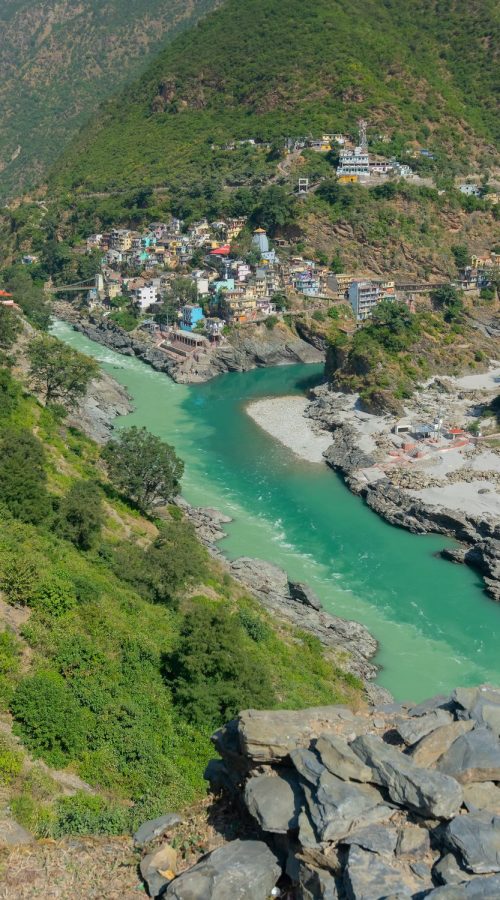
In this sense, the Saraswati is more than a physical river — it is a symbolic and hydrological framework preserved in both landscape and memory. Though its visible flow has faded, its legacy continues through cultural geography, underground water systems, and sacred consciousness, representing an eternal link between nature, knowledge, and civilization in Bharat.
🌅🏞️ Delta, Confluence, and Economic Geography — Saraswati Nadi
The Saraswati River, as described in ancient traditions, did not culminate in a visible delta like many major rivers but is believed to have gradually disappeared into the arid regions of northwestern Bharat, possibly merging into desert systems or subterranean channels near the Rann of Kutch. Unlike rivers with defined estuaries, the Saraswati’s termination represents a unique hydrological transition — from a flowing river to an underground or vanishing stream shaped by climatic and geological changes. This distinctive ending holds deep symbolic and cultural significance, reflecting both ecological transformation and spiritual continuity.
Over time, the fertile plains nourished by the Saraswati supported early agrarian communities, particularly across regions corresponding to present-day Haryana, Rajasthan, and Gujarat. Ancient sediments and paleo-channels indicate that these lands once sustained cultivation of grains and pastoral life. As the river’s flow diminished, communities adapted by developing alternative water systems such as wells, reservoirs, and rain-fed agriculture, demonstrating resilience and ecological awareness in changing environmental conditions.
Major confluences within the Saraswati system — especially with the ancient Drishadvati and channels linked to the Ghaggar–Hakra basin — were once vibrant centers of settlement, ritual activity, and knowledge exchange. These sangamas functioned as hubs where yajnas were performed, trade routes converged, and early communities interacted, creating a network of cultural and economic connectivity across the region.
Economic Significance:
Agriculture: Fertile paleo-floodplains supported early farming and pastoral economies, sustaining Vedic communities.
Trade Routes: The river corridor likely facilitated inland movement and exchange between northwestern settlements and adjoining regions.
Ritual Economy: Yajnas, gatherings, and pilgrimage practices created localized economic activity centered on ritual and learning.
The Saraswati profoundly influenced settlement patterns, with ancient towns, yajna sites, and gurukuls aligned along its course. These settlements integrated water management structures, ritual spaces, and trade networks, reflecting a balanced relationship between ecology, livelihood, and spiritual practice. Even after the river’s visible disappearance, many of these regions continued to function as cultural and pilgrimage centers, preserving the memory of the sacred river.
Cultural and Historical Impact:
- Sacred regions such as Kurukshetra and Pushkar emerged as enduring pilgrimage centers.
- The basin supported networks of Vedic learning, yajnas, and spiritual traditions.
- Ancient settlements contributed to early urbanization and cultural exchange across northwestern Bharat.
In essence, the Saraswati’s confluences and disappearance zones represent a civilization shaped by both abundance and adaptation. Ecology, economy, and spiritual life evolved together along its course, leaving behind a legacy that continues through sacred geography, cultural memory, and enduring Sanatana traditions.
📿🕉️ Pilgrimage Festivals and Ritual Practices — Saraswati Nadi
The Saraswati River, though largely invisible today, continues to function as a sacred pilgrimage corridor through memory, scripture, and living tradition. Pilgrimage associated with Saraswati reflects a subtle Sanatana Yatra, centered on knowledge, purity, yajna, and inner transformation. Devotees visit regions linked to its ancient course—such as Kurukshetra, Adi Badri, Pushkar, and Prabhasa—engaging in rituals, temple worship, and spiritual learning connected to the river’s timeless presence.
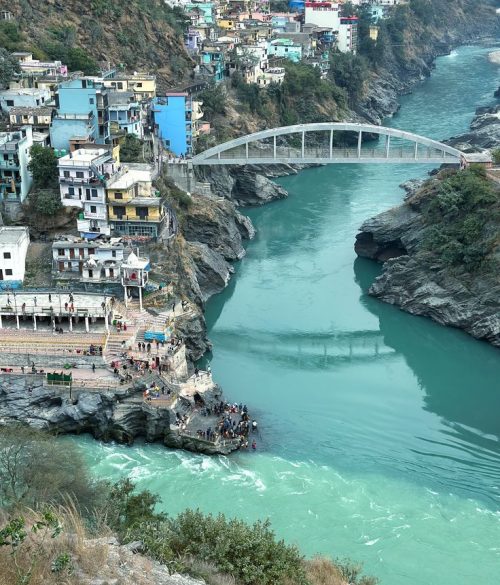
Major Ritual Practices
- Holy Dips: Bathing in sacred kunds and tirthas believed to be connected with Saraswati is considered purifying for both body and mind. These ritual immersions symbolize inner cleansing and alignment with higher knowledge, as the river is revered as a source of wisdom flowing beneath the visible world.
- Temple Offerings: Rituals include jal-arpana, yajnas, Vedic chanting, pradakshina, and offerings at temples and sacred sites. Many practices emphasize invocation of Saraswati as the goddess of learning, linking devotion with intellectual and spiritual awakening.
- Yajna and Knowledge Traditions: Unlike other river pilgrimages, Saraswati traditions place strong emphasis on yajnas, scriptural recitation, and study. These practices reflect the river’s identity as a source of Vedic wisdom, where knowledge itself becomes a form of worship and pilgrimage.
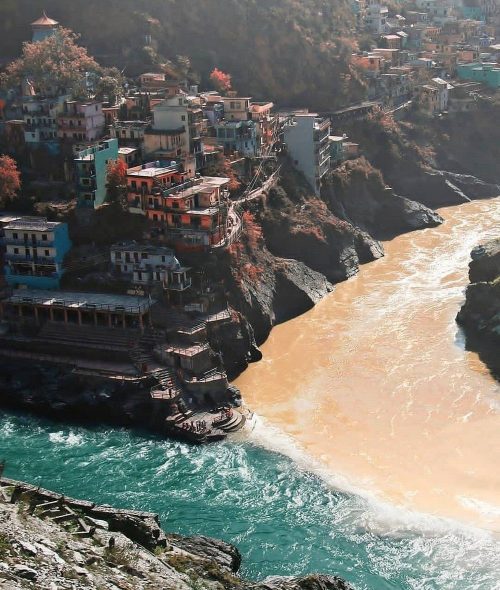
Major Festivals
- Vasant Panchami: Celebrated as the festival of Saraswati, it honors the goddess of knowledge, music, and learning. Devotees perform special prayers, offer books and instruments, and seek blessings for wisdom and creativity.
- Kartik Purnima and Solar Observances: Sacred bathing rituals and yajnas are performed at key tirthas during auspicious lunar and solar alignments, emphasizing purification, charity, and spiritual merit.
- Continuous Spiritual Practices: Throughout the year, priests, scholars, and seekers sustain rituals of chanting, teaching, meditation, and yajna at Saraswati-linked sites, preserving uninterrupted spiritual traditions.
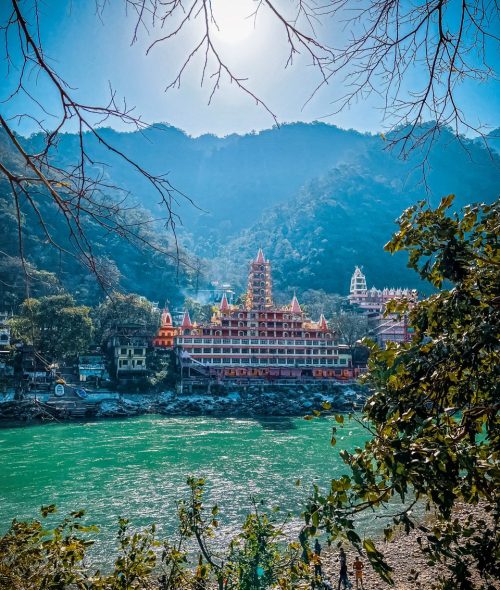
Spiritual Infrastructure
Kunds, step wells, and temple tanks associated with Saraswati serve both ritual and community purposes, providing symbolic access to sacred waters while supporting gatherings and observances.
Ashrams, gurukuls, and learning centers along its traditional course preserve Vedic chanting, philosophy, grammar, and ritual sciences, sustaining the river’s legacy as a source of knowledge.
Major sacred centers like Kurukshetra and Pushkar integrate worship, education, and cultural life, ensuring continuity of Saraswati’s spiritual and intellectual traditions.
The Saraswati itself becomes an inward guide in Sanatana Yatra. Its unseen flow represents the subtle movement of knowledge, consciousness, and spiritual awakening within the seeker. Pilgrims align their practices with this inner current, emphasizing discipline, learning, and self-realization. Saraswati’s festivals and rituals reflect a profound civilizational insight — that true purification arises not only through water, but through wisdom and awareness. Through yajnas, study, and devotion, the Saraswati continues to harmonize spirituality, culture, and knowledge, sustaining a timeless connection between the human mind and the sacred.
🏛️🌾 Historical Settlements Along Saraswati Nadi
The Saraswati River is believed to have nurtured some of the earliest and most influential settlements in ancient Bharat. Flowing through the northwestern regions from the Himalayan foothills toward the desert plains, it supported continuous habitation during the Vedic and proto-historic periods. Archaeological, literary, and cultural evidence associates the Saraswati basin with early agrarian communities, ritual centers, and evolving urban settlements, where people adapted to riverine ecology for agriculture, trade, spiritual practices, and organized civic life.
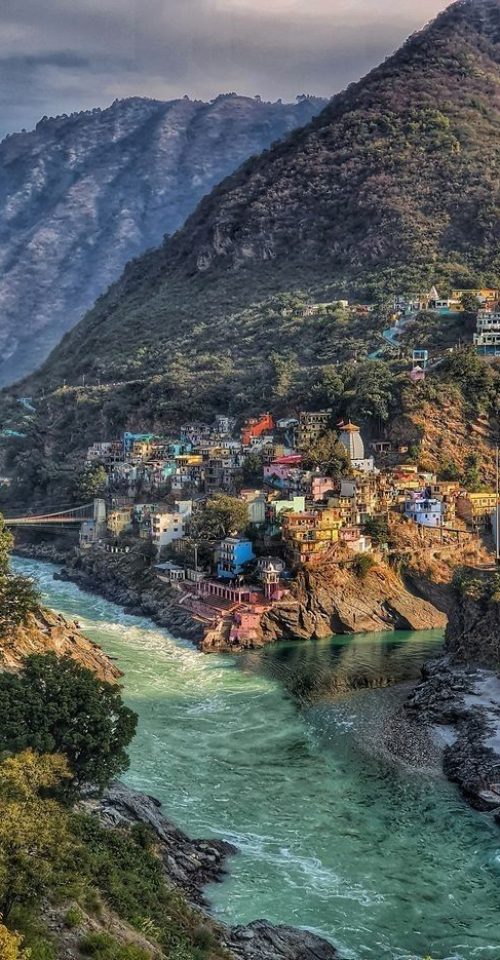
Historical Settlements Along Saraswati
Brahmavarta (Haryana Region): Considered the cradle of Vedic civilization, this region along the Saraswati hosted early settlements centered on yajnas, Vedic learning, and disciplined community life. It became a foundational zone for spiritual and cultural development.
Kurukshetra: A प्रमुख sacred landscape associated with Vedic rituals and epic traditions, Kurukshetra developed as a dense settlement of temples, sacred tanks, and learning centers. Its alignment with the Saraswati made it a focal point for pilgrimage, yajnas, and philosophical discourse.
Vinasana (Rajasthan Region): Traditionally identified as the region where the Saraswati disappeared, this area reflects ecological transition and adaptation. Settlements here evolved with changing water availability, maintaining ritual and cultural continuity even as the river receded.
Prabhasa (Somnath Region): Located near the western coast, this ancient settlement became a major pilgrimage and trade center. It connected inland Saraswati-linked regions with maritime networks, blending sacred geography with economic activity.
Settlement Patterns
Early communities settled along the Saraswati for fertile alluvial soils, dependable water supply, and favorable conditions for agriculture and pastoral life. The river enabled both sustenance and stability, encouraging long-term habitation and cultural growth. Kunds, reservoirs, and early water management systems demonstrate an understanding of hydrology and sustainability, supporting irrigation, ritual purification, and water storage as the river’s flow gradually changed. Settlement layouts integrated yajna sites, gurukuls, temples, marketplaces, and residential zones, reflecting a seamless blending of spiritual life, education, and economic activity within a unified landscape.
The Saraswati corridor shaped early social organization, agricultural practices, ritual traditions, and knowledge systems across northwestern Bharat. Continuous habitation along its course created interconnected settlements where spirituality, learning, trade, and daily life evolved together. Even after the river’s visible disappearance, these regions preserved its legacy through sacred geography, cultural memory, and ongoing pilgrimage traditions — linking landscape, history, and spiritual consciousness into a timeless civilizational framework.
🛕🙏 Temples and Spiritual Centers — Saraswati Nadi
The Saraswati River, revered in Vedic tradition as a sacred and mystical river, is associated with numerous ancient kshetras, yajna sites, and centers of learning across northwestern India. Though its visible flow diminished over time, its spiritual presence continues through sacred geography, temples, and pilgrimage traditions described in the Vedas, Puranas, and Itihasas. The river is remembered as a cradle of Vedic knowledge, where rishis performed yajnas, composed hymns, and established early spiritual communities.
Major Spiritual Centers:
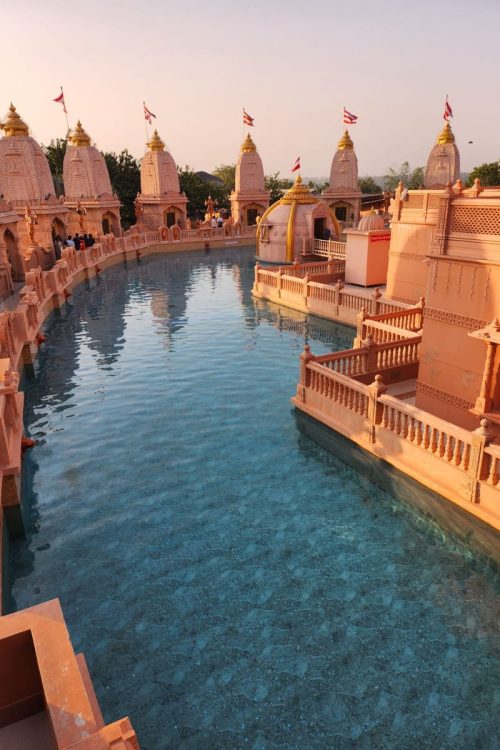
Kurukshetra (Saraswati Region):
Regarded as one of the holiest regions connected with Saraswati, Kurukshetra is described in ancient texts as a Chief dharmakshetra where yajnas, rituals, and spiritual discourses were performed along the river’s banks. Numerous tirthas and sacred tanks in this region are believed to be linked to the invisible flow of Saraswati.
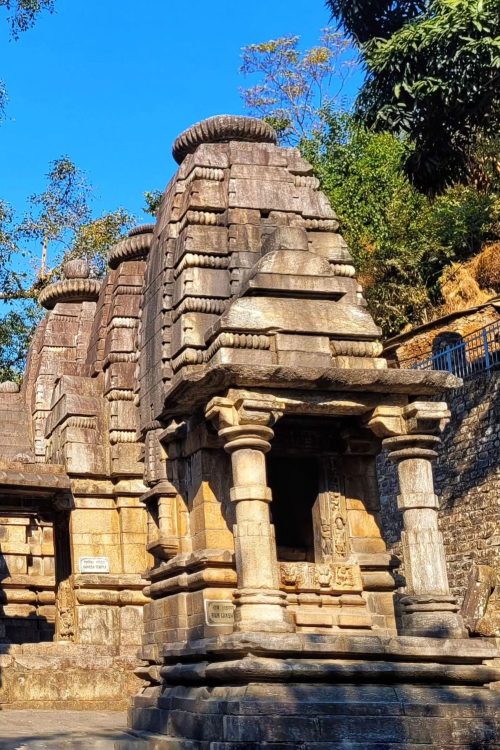
Adi Badri (Haryana):
Considered one of the traditional origin points of the Saraswati, Adi Badri hosts temples and sacred kunds where devotees honor the river’s source. The site symbolizes the beginning of the Vedic river’s journey and serves as a pilgrimage center for seekers of spiritual knowledge.
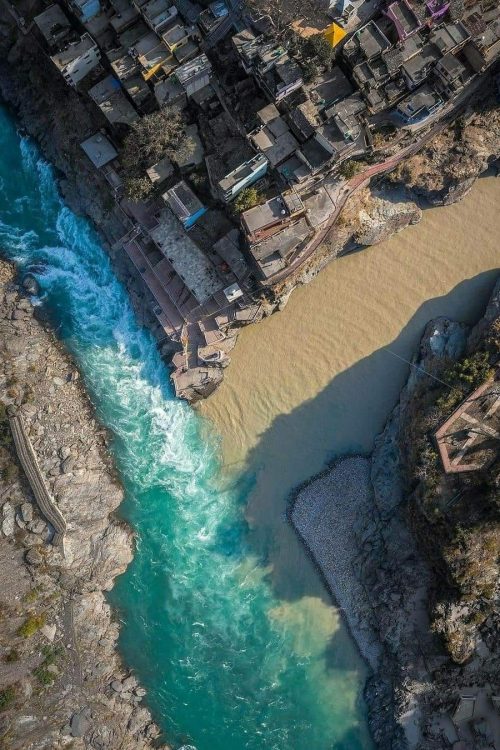
Prayag (Triveni Sangam):
At the sacred confluence in Prayag, Saraswati is believed to meet the Ganga and Yamuna in an invisible form. This Triveni Sangam represents the unity of visible and invisible sacred forces, making it one of the most significant pilgrimage destinations in Sanatana tradition.
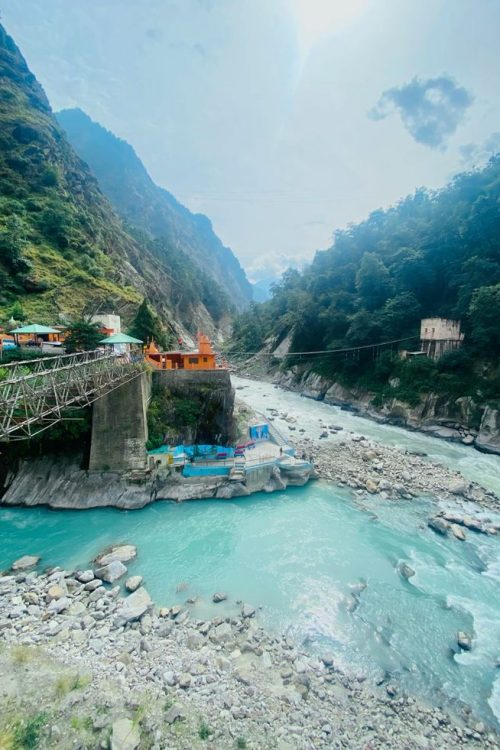
Saraswati-related Temple Sites (Rajasthan & Gujarat):
Across regions historically associated with the Saraswati basin, temples, step wells, and sacred sites commemorate the river’s legacy. These centers preserve rituals, local traditions, and oral histories connected to the once-flowing river.
- Ghats associated with the Saraswati are remembered more through sacred tanks, kunds, and ritual sites than continuous visible riverbanks. These spaces supported yajnas, snana, meditation, and spiritual gatherings, functioning as symbolic thresholds where devotees connected with the subtle, invisible flow of the river. They became centers for reflection, prayer, and Vedic rites, while also nurturing community interaction and cultural continuity across regions linked to Saraswati’s ancient course.
- Ashrams and hermitages along the Saraswati’s traditional basin served as foundational centers of tapas, Vedic learning, and philosophical inquiry. Rishis and sages established gurukuls where knowledge of the Vedas, astronomy, rituals, and dharma was transmitted across generations. These institutions preserved oral traditions, scriptural wisdom, and disciplined practices, making the Saraswati region a cradle of Sanatana knowledge and intellectual heritage.
- Temples connected to the Saraswati embody the idea of knowledge as sacred flow, integrating spiritual symbolism with cosmic understanding. Rather than emphasizing only ritual bathing, these centers highlight yajna, mantra chanting, and inner purification. Their placement across ancient river routes reflects a deep awareness of sacred geography, where learning, devotion, and nature converge into a unified spiritual experience.
The Saraswati’s spiritual centers remain interconnected through scriptural memory, pilgrimage traditions, and sacred geography, allowing devotees to undertake a symbolic Saraswati Yatra. This network links tirthas, temples, yajna sites, and learning centers into a continuous spiritual corridor, where each स्थल represents a stage in the seeker’s journey toward knowledge and realization.
Ritual practices such as yajnas, Vedic recitation, meditation, and observance of sacred festivals continue to sustain the Saraswati tradition. Daily worship, scriptural study, and disciplined living reflect a rhythm aligned not with visible water flow, but with the timeless current of knowledge and spiritual awareness that the river represents.
The Saraswati is not merely a lost or invisible river — it is a living embodiment of wisdom, learning, and spiritual refinement. Through sacred traditions, educational lineages, and ritual continuity, it continues to guide seekers toward inner clarity, cultural continuity, and the eternal flow of knowledge within Sanatana Dharma.
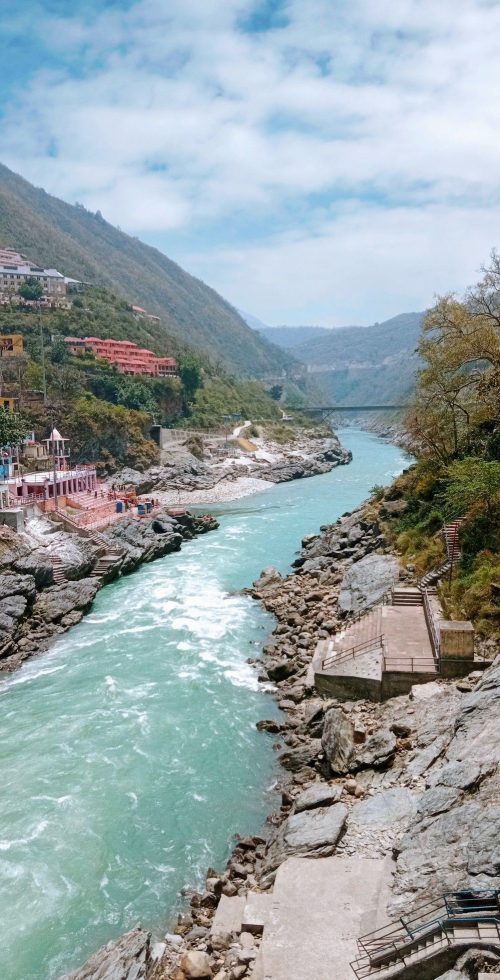
🏞️🕉️ Sacred Ghats and Ritual Architecture — Saraswati Nadi
Sacred ghats associated with the Saraswati are remembered through kunds, yajna sites, and ancient tirthas rather than continuous visible riverbanks. These spaces are not merely physical structures but symbolic expressions of Sanatana philosophy, where the invisible flow of Saraswati is invoked through ritual, knowledge, and sacred memory. From regions like Kurukshetra to traditional sites such as Adi Badri and Prayag, these sacred points function as spiritual thresholds where purification, learning, and devotion converge.
Functions of Ghats
- Ritual Purification: Devotees perform snana and ritual cleansing at Saraswati-linked kunds and sangamas during auspicious occasions such as Vedic yajnas, Amavasya, and solar-lunar transitions. These acts symbolize inner purification and alignment with subtle spiritual energies rather than reliance on visible river flow.
- Life-Cycle Events: Sacred sites associated with Saraswati host rites such as naming ceremonies, vratas, and ancestral rituals. These practices reflect the belief that Saraswati represents the flow of knowledge and consciousness, guiding the individual through life’s transitions with clarity and wisdom.
- Community Engagement: These spaces serve as centers for yajnas, Vedic chanting, pravachanas, and scholarly gatherings. They foster interaction among seekers, scholars, and spiritual teachers, blending intellectual discourse with sacred observance and sustaining the tradition of collective learning.
Notable Ghats
| Ghat / Site | Location | Historical / Cultural Role |
|---|---|---|
| Adi Badri Kunds | Haryana | Sacred origin point; Vedic rituals and Saraswati worship |
| Kurukshetra Tirthas | Haryana | Yajna sites, ritual bathing, dharmic gatherings |
| Triveni Sangam | Prayag (Uttar Pradesh) | Confluence of Ganga, Yamuna, and invisible Saraswati |
| Ghaggar-Hakra Sites | Haryana–Rajasthan | Ancient riverbed settlements and ritual memory zones |
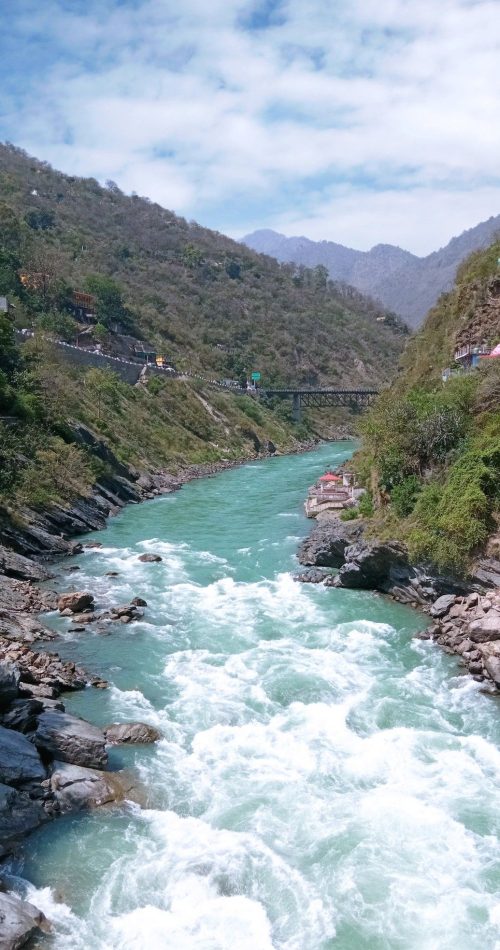
Sacred architecture linked to the Saraswati emphasizes yajna vedis, kunds, and temple complexes rather than large stepped ghats. These structures reflect the Sanatana understanding of water as both physical and metaphysical — a medium for knowledge, purification, and cosmic connection. Their placement across ancient river routes demonstrates ecological awareness and reverence for subtle sacred geography. In essence, the Saraswati’s ritual architecture sustains a unique civilizational dialogue where the absence of visible water does not diminish sacred presence. Through kunds, yajnas, chants, and learning traditions, the river continues to flow as a current of knowledge and spiritual awareness — shaping cultural and spiritual life across generations.
🛕🌿 Pilgrimage Networks and Ashrams
The Saraswati River, though no longer visibly flowing, supports a profound pilgrimage network preserved through Vedic texts, sacred geography, and living traditions. This network connects ancient kshetras, yajna sites, temples, and learning centers across regions historically associated with the river’s course. From traditional origin points like Adi Badri to sacred regions such as Kurukshetra and Prayag, the Saraswati forms a subtle yet continuous spiritual pathway rooted in knowledge, ritual, and memory.
Ashrams and Gurukul Traditions: Along the Saraswati’s traditional basin, ashrams and gurukuls functioned as centers of tapas, Vedic study, meditation, and disciplined learning. Rishis established these institutions to transmit knowledge of the Vedas, rituals, philosophy, astronomy, and dharma. These spaces nurtured seekers, scholars, and ascetics, preserving oral traditions and shaping the intellectual foundations of Sanatana Dharma across generations.
Interconnected Tirthas: Sacred sites such as Adi Badri, Kurukshetra, Triveni Sangam, and numerous lesser-known kunds and ritual spaces create layered pilgrimage circuits. These tirthas are linked not only by geography but by scriptural significance, forming a spiritual network where yajnas, rituals, and learning traditions continue to sustain Saraswati’s legacy.
Pilgrimage Cycles: Yatras along the Saraswati are guided by ritual calendars, yajna traditions, and auspicious observances such as Amavasya, Purnima, and Vedic festivals. Pilgrims engage in snana, yajna participation, scriptural recitation, and meditation, aligning their practices with cosmic rhythms and the symbolic flow of knowledge represented by the river.
The Saraswati’s sacred network sustains uninterrupted Sanatana traditions, making it a spiritual artery of knowledge rather than a visible watercourse. Pilgrimage here is not defined by physical travel alone, but by the pursuit of wisdom, discipline, and inner realization.
🏙️🎨 Urban Development and Cultural Continuity
Settlements associated with the Saraswati developed as early centers of learning, ritual practice, and cultural organization across northwestern India. Regions such as Kurukshetra and surrounding areas evolved into hubs where yajna traditions, education, and social life were closely integrated. These settlements reflected a civilizational design rooted in knowledge systems, ecological awareness, and sacred geography.
Settlement Planning:
Ancient communities aligned settlements near water sources, seasonal channels, and fertile lands associated with the Saraswati basin. Yajna vedis, temples, kunds, and learning spaces were central to urban layouts, ensuring the integration of ritual practice and daily life.
Centers of Learning and Culture:
Ashrams, gurukuls, and scholarly institutions formed the intellectual backbone of these settlements. They functioned as centers for Vedic chanting, philosophical discourse, grammar, astronomy, and ritual sciences, sustaining a vibrant tradition of knowledge transmission.
Water and Ritual Infrastructure:
Kunds, step wells, and ritual tanks replaced large riverfront ghats, reflecting adaptation to changing river conditions. These structures supported both ritual purification and community needs, maintaining continuity even as the visible flow of the river diminished.
These Saraswati-linked settlements preserved Vedic traditions, intellectual inquiry, ritual systems, and cultural practices for centuries. They became spaces where knowledge, spirituality, and community life flourished together, shaping one of the earliest civilizational frameworks of the Indian subcontinent.
In this way, the Saraswati continues to live not through flowing waters, but through knowledge systems, sacred traditions, and cultural continuity — sustaining a timeless connection between wisdom, society, and spiritual evolution.
🕉️💧 Closing Reflection — Saraswati as Civilizational Lifeline
The Saraswati River is not merely a physical stream remembered in history; it is a timeless civilizational presence that has shaped spiritual thought, knowledge systems, and cultural traditions across Bharat for millennia. Though its visible flow has faded, its sacred legacy continues through Vedic literature, pilgrimage traditions, yajna practices, and centers of learning. Temples, tirthas, kunds, and gurukul lineages associated with Saraswati reflect the continuity of Sanatana Dharma, where knowledge, devotion, and community life remain deeply interconnected.
Its presence nourished early settlements, sacred regions, and intellectual traditions across northwestern India, guiding rishis, scholars, and seekers who transformed its banks into hubs of wisdom and spiritual inquiry. Saraswati embodies harmony between knowledge and nature, sacred geography and human consciousness, becoming a symbol of inner flow rather than external movement.
Saraswati sustains life in intellectual, cultural, and spiritual dimensions.
Pilgrimage associated with the river integrates yajna, Vedic study, meditation, and disciplined pursuit of knowledge.
Its sacred sites, ashrams, and learning traditions reflect centuries of civilizational wisdom, preserving both cultural continuity and inner awakening.
As long as the wisdom of the Vedas, the sound of mantras, and the pursuit of knowledge endure — Saraswati continues to flow. It connects humanity with sacred memory, intellectual heritage, and spiritual realization, remaining a silent teacher and eternal lifeline of Bharat’s civilizational consciousness.