
🕉️ Spiritual Energy & Vibrational Significance of Tirupati
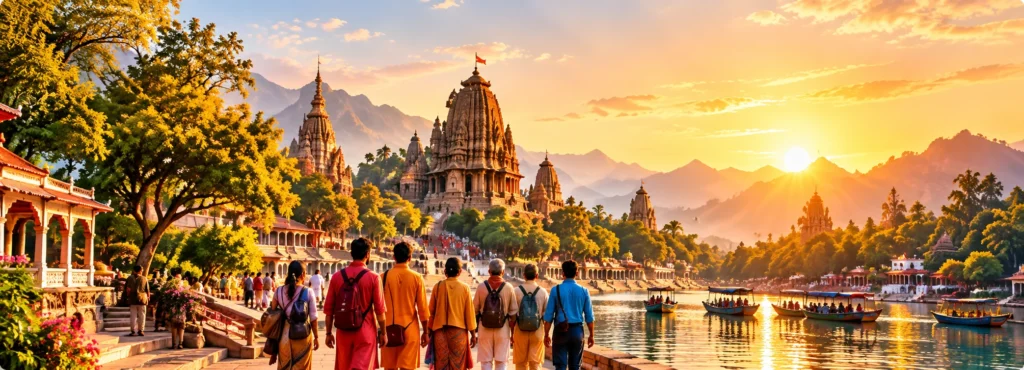
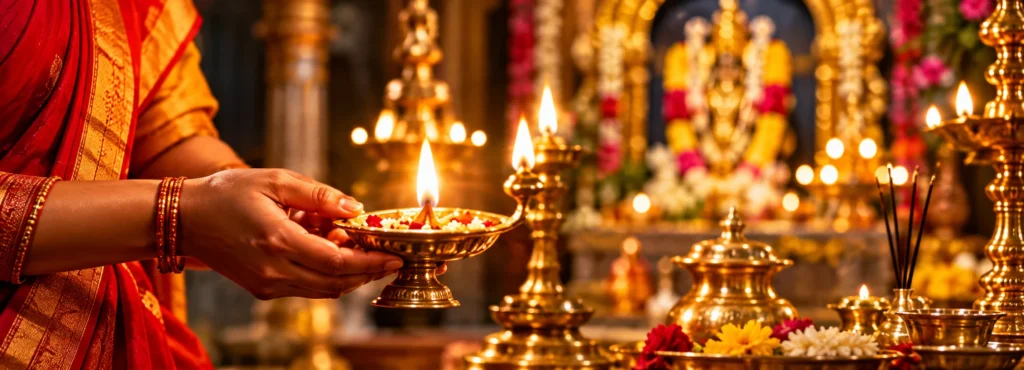
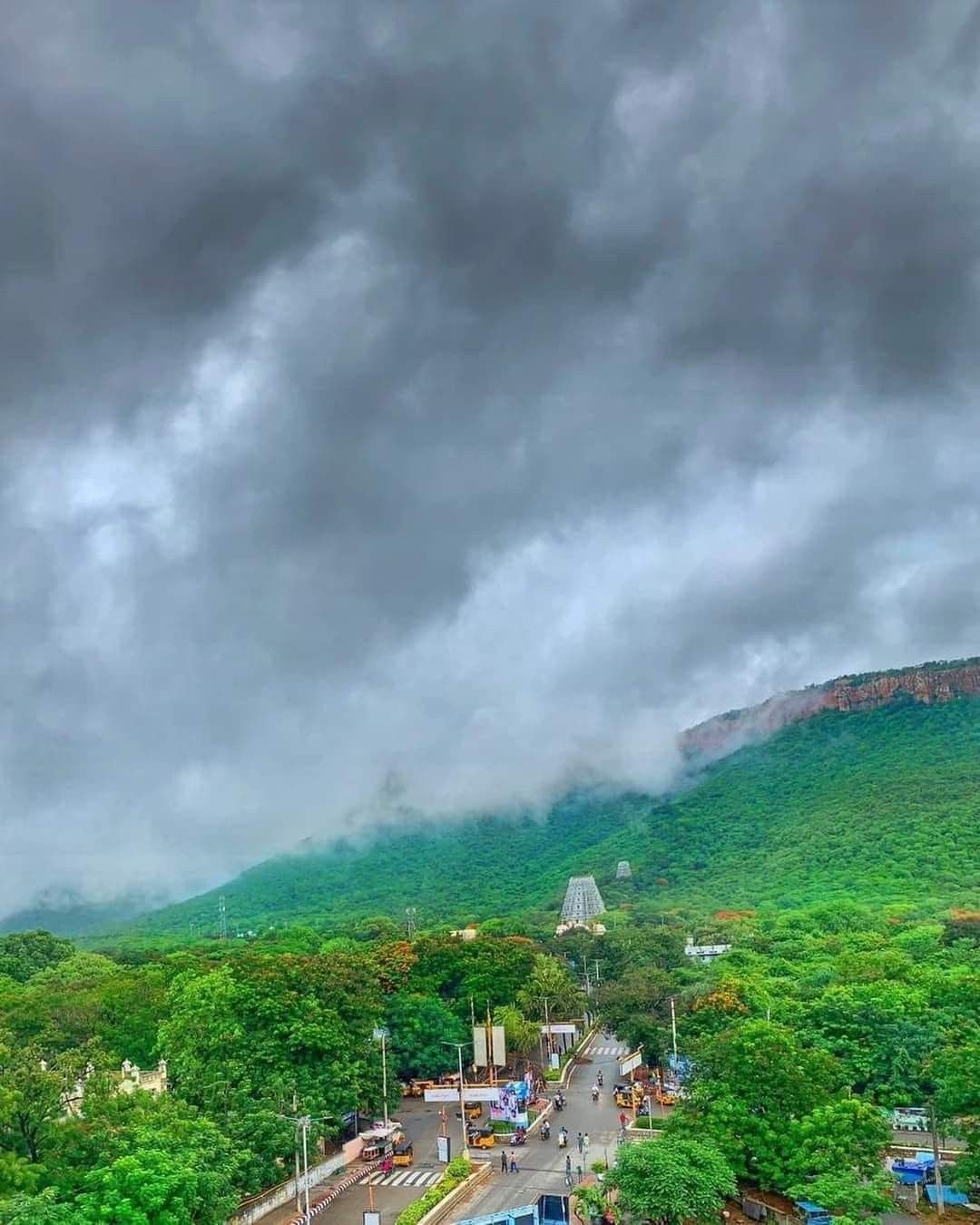
Tirupati is not merely a city; it is a living field of divine consciousness. Among all sacred cities of Bhāratavarṣa, Tirupati holds a rare position where devotion, destiny, and spiritual grace intersect. Saints, Āḻvārs, ācāryas, and sages across millennia have described Tirupati as a place where the veil between the human and the Divine becomes thin. Pilgrims often report an unexplainable stillness here — a silence that is not empty, but profoundly compassionate.
The vibrational frequency of Tirupati is deeply connected to Venkateswara, the Lord of Kaliyuga. Unlike other sacred kṣetras where energy feels transformational or confronting, Tirupati’s energy is protective and embracing. It softens burdens, melts resistance, and gently aligns the heart with surrender. This is why seekers carrying heavy prayers, family vows, life uncertainties, or karmic weight are instinctively drawn here.
The presence of the sacred hills of Tirumala, the ancient spiritual axis of the land, and centuries of uninterrupted mantra, seva, yajña, and pūjā have charged this kṣetra like a spiritual reservoir. The sanctum of Sri Venkateswara Temple radiates an energy refined through continuous devotion across ages. One does not “visit” Tirupati casually — the Lord works upon you whether you are ready or not. Even a brief darśan can leave lasting impressions, emotional release, or sudden reassurance about life’s direction. This is why Tirupati is often described as a place of spiritual grace in motion — where years of silent prayers can find fulfillment within moments, and where surrender condenses into profound inner peace.
⏳ Tirupati in Vedas, Purāṇas & Itihāsas
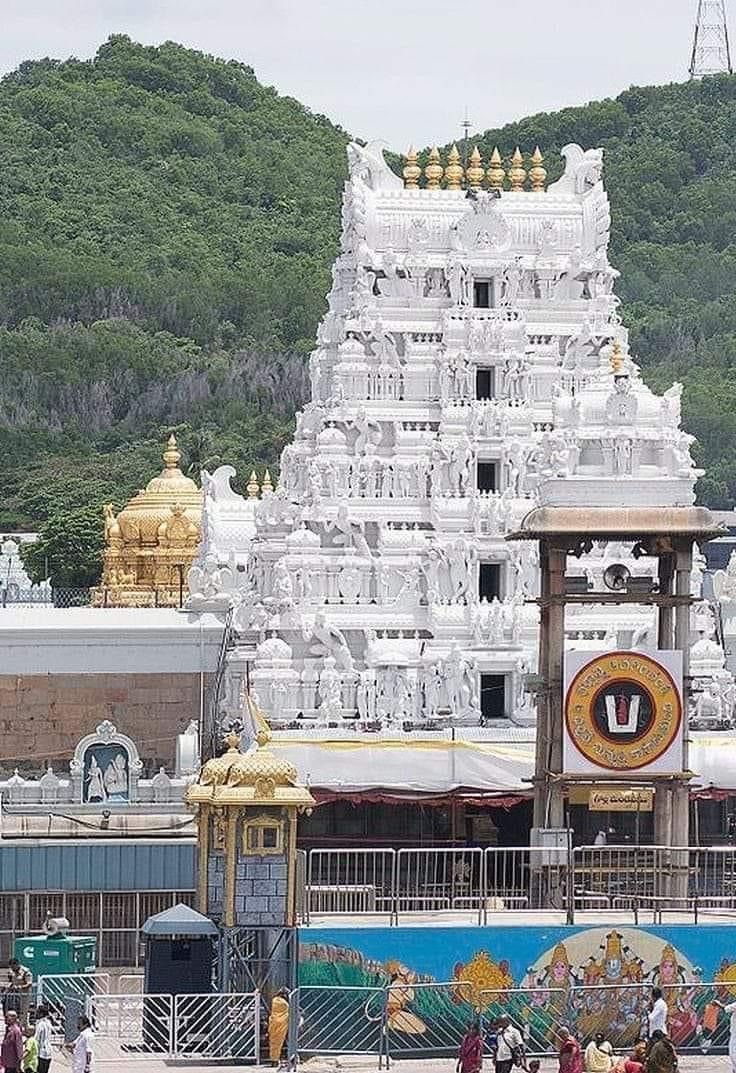
Tirupati’s sacredness is not a later construction; it is rooted in the oldest layers of Bhāratīya civilization. References to the sacred hills appear in Vedic literature as part of the divine southern kṣetras, and later explicitly in Purāṇic texts as Veṅkaṭādri — the hill chosen by the Lord for His earthly abode. The Varaha Purana, Skanda Purana, and Brahmanda Purana describe Tirumala as a divinely ordained kṣetra where sincere devotion grants both worldly welfare and ultimate liberation.
Itihāsic traditions link Tirupati with kings who served not merely as rulers, but as custodians of dharma. Dynasties such as the Vijayanagara Empire patronized the temple, seeing their sovereignty as service to the Lord. Their offerings and temple expansions symbolized the union of political authority and spiritual surrender.
Tirupati is also unique in that it is especially revered in Kali Yuga. While sacred across all ages, it is believed that in this present era, the compassionate presence of Venkateswara shines most accessibly here. This continuity gives Tirupati an unmatched devotional depth.
To walk in Tirupati is to walk through layers of living faith — Vedic recitations, Purāṇic legends, royal patronage, and uninterrupted bhakti all coexist here without conflict.
🏵️ Vaiṣṇava, Bhakti & Temple Traditions of Tirupati
Tirupati is one of the rare places in Bhārat where Vaiṣṇava philosophy, temple ritual, and mass devotion coexist organically. The sacred hills of Tirumala represent the divine seat of the Lord, where the formless Absolute assumes form out of compassion for humanity. Simultaneously, associated shrines and sacred traditions — including the worship of Padmāvatī Devī and Varāha Swāmi — anchor the theological completeness of the kṣetra. The temple of Sri Venkateswara Temple functions not merely as a ritual center, but as a living organism of seva, discipline, and sacred order.
Bhakti traditions view Tirupati not as a place of philosophical debate, but as a sanctuary of surrender. The long queues, hair offerings, annadāna, and collective chanting are not symbolic — they are experiential. This is why renunciates, scholars, families, and ordinary devotees alike make Tirupati a place of pilgrimage again and again.
What makes Tirupati special is balance. While grandeur exists, humility is central. While elaborate ritual is performed, simple faith is equally honored. The kṣetra teaches that liberation does not require withdrawal from life — but heartfelt surrender within it. For pilgrims, this diversity offers choice: devotion, vow-fulfillment, gratitude, or silent prayer — Tirupati accommodates all sincere paths.
🌊 Tirupati as a Mokṣa Kṣetra
Scriptures state that even a sincere remembrance of the Lord within Tirupati’s sacred boundary carries immense spiritual merit, as Venkateswara himself stands as the compassionate guardian of this kṣetra 🪔. The philosophy here is profound yet reassuring: devotion softens karma, and the Lord’s grace uplifts past burdens without harsh judgment 🔄. This makes Tirupati especially powerful for vow-fulfillment, ancestral prayers (Pitṛ śānti), karmic relief, and life-transition blessings 🌌. Many elders undertake the ascent to Tirumala as a sacred yātra of gratitude, not out of fear, but out of deep trust in divine compassion. Even younger seekers feel that prayers offered at the Sri Venkateswara Temple carry a sense of completion — as though certain burdens quietly dissolve and new chapters begin with clarity. Tirupati does not confront; it consoles and elevates 🕉️. For those who surrender, grace becomes strength, and every act of devotion, offering, or silent prayer resonates with divine assurance, guiding the soul toward peace, renewal, and deep inner alignment.
🧭 Sacred Geometry & Cosmic Alignment of Tirupati
Tirupati’s spiritual power is not accidental — it is architecturally and cosmically aligned. Ancient traditions describe the hills of Tirumala as divinely chosen, forming a sacred mandala in the southern landscape of Bhārat. The seven hills are revered as the seven hoods of Ādiśeṣa, creating a natural spiritual axis upon which the temple stands. This alone places Tirupati at the heart of devotional geography. The layout of the Sri Venkateswara Temple follows precise āgamic principles. The sanctum (garbha-gṛha) is positioned to preserve spiritual containment, while the golden vimāna rises as a symbolic connection between earth and the celestial realms. Temple pathways, prākāras, and dhvaja-stambha align according to sacred measurements, ensuring that movement through the temple becomes an inward journey.
Even the ascent to Tirumala — whether by the ancient Alipiri steps or the winding ghat roads — follows a gradual elevation designed to prepare body and mind. The higher one climbs, the quieter the inner dialogue becomes. This physical rise mirrors spiritual ascent. This sacred geometry creates a resonance field, amplifying mantra, prayer, and surrender. Devotees often feel emotional release, renewed faith, or sudden clarity without strain — a sign of grace working through alignment rather than effort.
Tirupati teaches that spirituality is not abstract — it is embodied in landscape, proportion, and sacred design itself.

🕰️ Role of Tirupati in Kālacakra (Indian Philosophy of Time)
In Sanātana Dharma, time is not linear — it is cyclical, conscious, and compassionate. Tirupati stands as a sacred refuge within this philosophy as the kṣetra governed by Venkateswara, the Lord who sustains beings through the turbulence of Kali Yuga. Unlike sacred cities where time confronts or compresses, Tirupati is where time is softened, guided, and blessed. This is why many devotees see Tirupati as a stabilizing center within the Kālacakra, the cosmic wheel of time.
The sacred hills of Tirumala are believed to be divinely chosen for this age, making the temple not merely a place of worship, but a time-aligned sanctuary. Rituals at the Sri Venkateswara Temple follow precise āgamic schedules — from Suprabhātam at dawn to Ekānta Seva at night — symbolizing harmony between cosmic rhythm and human life. Spiritually, this alignment means prayers offered here are not merely devotional — they are synchronized with divine timing, enhancing their transformative power.
Pilgrims often experience a subtle shift in Tirupati: waiting feels meaningful, delays feel purposeful, and life’s uncertainties seem gently held. Long-standing worries soften. Decisions that felt burdensome begin to align naturally. This is the Lord’s grace — not compressing time, but harmonizing it so the soul can evolve without fear.
Tirupati teaches that liberation is not achieved by fighting time, but by surrendering to the One who governs it. To perform japa, darśan, or even silent prayer here is to rest within divine timing itself — trusting that what unfolds is guided, measured, and merciful.
🕉️ Śrī Veṅkaṭeśvara (Divya Kṣetra)

The sacred form of Venkateswara at the Sri Venkateswara Temple stands as the compassionate Lord of Kali Yuga, symbolizing divine protection, sustenance, and karmic upliftment. Unlike kṣetras associated with intense dissolution, Tirupati radiates preserving and grace-filled energy. Pilgrims performing darśana, seva, archana, or japa here are understood to directly connect with the Lord’s sustaining presence, which lightens karmic burdens while guiding consciousness toward steady inner alignment and Mokṣa.
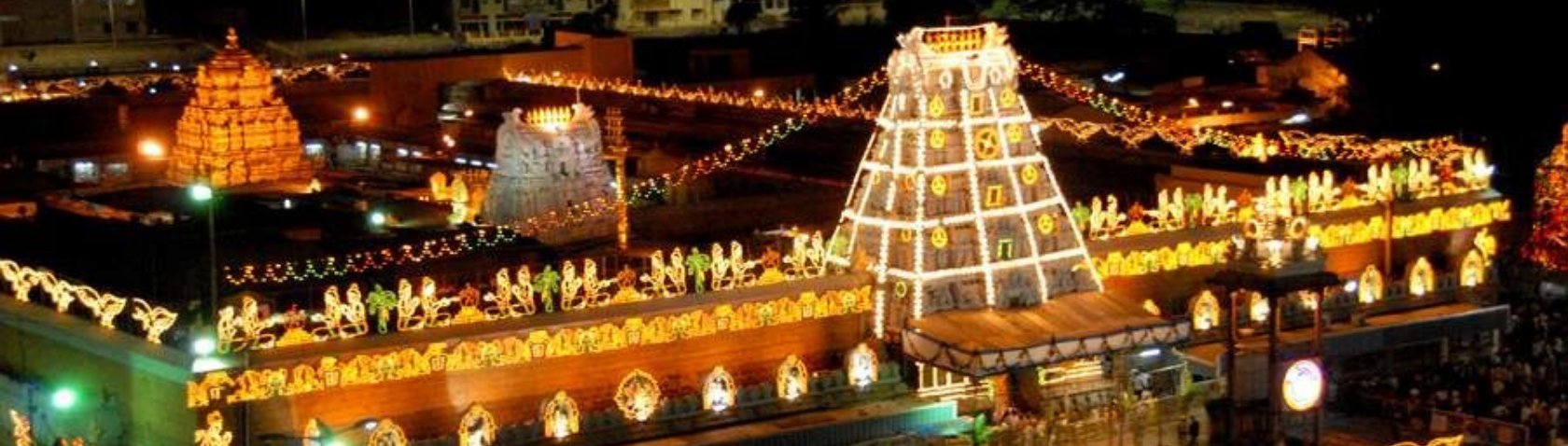
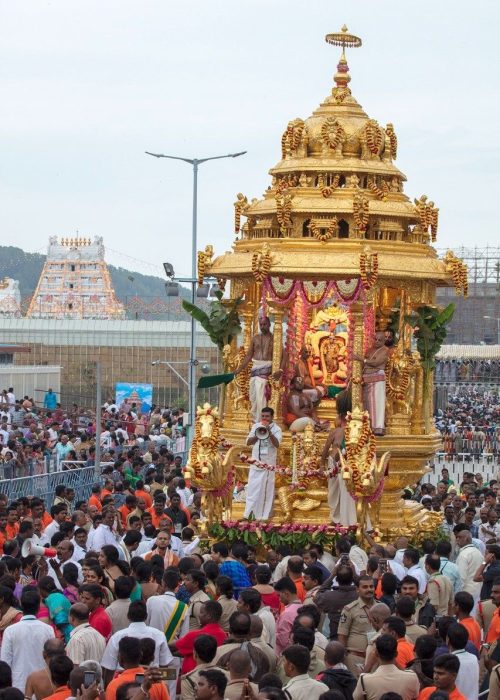
Brahmotsavam in Tirupati is unlike anywhere else. Devotees gather in immense numbers to witness the grand processions of the Lord through the sacred streets of Tirumala, accompanied by Vedic chanting, temple music, and collective devotion. The atmosphere becomes immersive and elevating, drawing pilgrims into a shared field of faith and celebration. Many observe vrata, participate in kīrtana, and remain in continuous remembrance. As dawn breaks over the seven hills, the kṣetra radiates reassurance and renewal, reminding every visitor of divine grace operating even within the challenges of time.
Tirupati has also long been a center of organized temple culture, administration, and learning. Supported historically by dynasties such as the Vijayanagara Empire, the temple evolved into a hub of Sanskrit scholarship, music, ritual sciences, and community service. Institutions connected to the temple nurtured Vedic recitation, scriptural study, and classical arts. Even today, pilgrims sense not only devotional intensity but also the disciplined sacred order embedded in the temple’s corridors and traditions — a living synthesis of bhakti, knowledge, and service.
🕉️ Living Wisdom of Tirupati: Ācārya–Bhakta Paramparā & Sacred Stays
Tirupati is rooted in devotional transmission rather than philosophical debate. Its living paramparā flows through temple tradition, Vedic recitation, and the grace-centered teachings of Ramanuja, who emphasized humility, service, and total surrender (śaraṇāgati) to Venkateswara, teaching that liberation is attained not by intellectual mastery but by wholehearted devotion anchored in discipline and compassion.
Priests and Jeeyars of the Sri Venkateswara Temple continue this sacred current. In Tirupati, guidance often comes through darśana, a mantra, or a silent blessing, where grace is not claimed but received, and when the heart softens in surrender, that humility transforms into unshakable inner strength.
🔱 Devotional transmission over intellectual debate
🌌 Śrī Vaiṣṇava living traditions
👁️ Grace through darśana and mantra
📿 Lineages sustained by service and surrender
🚶 Guidance meets faith-filled readiness
🌿 Humility invites divine compassion

In Tirupati, accommodation shapes the pilgrim’s inner experience. Temple guest houses and dharma-based lodgings in Tirumala provide simple, disciplined environments aligned with pilgrimage rhythm. Ashram-style stays encourage early rising, participation in Suprabhātam, and shared devotional routines that gently align daily life with sacred time. These spaces help the mind settle into reverence.
Modern hotels in Tirupati town offer comfort and accessibility, but mindful selection is important to preserve the contemplative atmosphere of the yātra. Choosing quiet surroundings allows rest to become part of devotion rather than distraction. When accommodation supports discipline and simplicity, the pilgrim absorbs not only darśana — but the living grace of the hills themselves.
🛕 Temple guest houses for disciplined devotion
🕯️ Ashram routines aligned with temple rhythm
🌅 Early morning Suprabhātam participation
🧘 Rest integrated with surrender
🔕 Mindful hotel choices preserve sanctity
🌿 Surroundings deepen the pilgrimage journey
📿 Day-wise Ritual Planner (1-Day, 3-Day & 5-Day Yātra)
Tirupati is not meant to be rushed. Each day spent here corresponds to a different layer of surrender and grace. A structured ritual plan allows the pilgrim to move gradually from outer darśana to inner alignment with Venkateswara.

🕉️ 1-Day: Surrender & Divine Blessing
Ideal for travelers short on time, this Yātra focuses on complete surrender at the Sri Venkateswara Temple. The day includes Suprabhātam or early morning darśana, participation in Archana or simple seva, and a visit to nearby sacred shrines on Tirumala, creating immediate devotional alignment. Even in a single day, pilgrims awaken humility, connect with divine rhythm, and receive the Lord’s blessings. This experience offers a quick yet profound spiritual reset, harmonizing mind, body, and faith through surrender.
🌅 Early morning darśana or Suprabhātam
🙏 Archana or simple seva participation
🛕 Visit to Varāha Swāmi or Padmāvatī shrine
🌿 Devotional alignment & inner reassurance

🕉️ 3-Days: Devotion & Alignment
This Yātra is designed for devotees ready for deeper immersion. Over three days, pilgrims experience surrender, stabilization, and gratitude, allowing inner burdens to soften and clarity to arise. The journey includes temple darśana, Divya Prabandham listening or japa, hair offering (mokku) if vowed, and quiet circumambulation of the temple streets. In a short span, many feel emotional release, strengthened faith, and renewed life direction — making this ideal for those seeking meaningful yet structured transformation.
🌊 Darśana & temple participation
🕯️ Japa, Divya Prabandham, or vow fulfillment
🔄 Silent pradakṣiṇa for integration
✨ Emotional clarity & strengthened devotion
🕉️ 5-Days: Deep Devotional Immersion
For committed seekers, this extended Yātra offers profound inner grounding and grace. Participants engage in special sevas, attend evening processions if available, participate in annadāna, and seek blessings from temple scholars or Jeeyars connected with the kṣetra. Over five days, pilgrims often experience gratitude, closure of long-standing prayers, renewed purpose, and deep trust in divine timing. This journey suits those ready to fully absorb the sacred rhythm of Tirupati and align life with surrender.
🌙 Special sevas & extended darśana
🕉️ Evening rituals & devotional chanting
📿 Blessings from temple scholars or Jeeyars
🌿 Gratitude, renewal & steady inner peace
🧳 First-Time Pilgrim Guide to Tirupati
For first-time pilgrims, Tirupati can feel overwhelming — not intense in a confronting way, but expansive in devotion and scale. This is not merely a temple town; it is a living spiritual ecosystem shaped by discipline, seva, and continuous worship. The ideal approach is humility, patience, and surrender, allowing the sacred rhythm of the hills to guide you rather than rushing through the experience. When approached this way, Tirupati reveals itself gradually, offering reassurance, clarity, and quiet inner strength.
First-timers are advised to:
• Begin with darśana at the Sri Venkateswara Temple
• Spend silent moments within the temple premises or near the sacred streets of Tirumala
• Avoid over-scheduling multiple sevas in one day
• Observe temple discipline before questioning logistics
Many mistakes arise from treating Tirupati like a checklist destination. The kṣetra unfolds through patience. Even long waiting hours are considered part of surrender. Tirupati welcomes beginners not with spectacle, but with grace.
🕰️ Temple Timings & Crowd Patterns
Understanding temple timings is essential. Early morning hours (Suprabhātam to mid-morning) are ideal for spiritually charged darśana. Weekends and festival days draw larger crowds but amplify collective devotion. Strategic planning ensures that darśana, japa, and quiet reflection can be experienced without haste. Aligning personal sādhana with temple rhythm allows both stillness and shared devotion to coexist.
🌙 Special Pūjās by Tithi, Nakṣatra & Rāśi
Tirupati is especially powerful for vow-fulfillment and time-aligned offerings. Rituals here follow āgamic precision and are often performed on specific tithis and nakṣatras for enhanced spiritual resonance.
• Ekādaśī is ideal for Viṣṇu devotion and fasting.
• Śravaṇa Nakṣatra holds special significance for Venkateswara.
• Pūrṇimā enhances gratitude and fulfillment prayers.
Astrologically, Tirupati is considered beneficial for those facing financial strain, delayed marriage, or career uncertainty. Sevas aligned to one’s rāśi and nakṣatra are believed to harmonize personal timing with divine grace.
Importantly, these pūjās are rooted in āgama śāstra — refined temple sciences preserved for centuries.
🕉️ Fasting, Vratas & Observances in Tirupati
Fasting in Tirupati is not about austerity; it is about devotion. Vratas observed here align body and intention with surrender. Because Tirupati embodies Kali Yuga compassion, even simple vratas gain devotional depth.
Common vratas include:
• Ekādaśī for Viṣṇu bhakti
• Saturday prayers for stability and relief
• Vaikuṇṭha Ekādaśī for spiritual elevation
• Annual vow-fulfillment visits with hair offering (mokku)
Pilgrims are advised to keep fasts sattvic and balanced. Even partial fasting combined with darśana and pradakṣiṇa creates inner steadiness.
Many report emotional relief, renewed hope, or clarity during vratas in Tirupati — signs of gentle divine reassurance.
🌙 Evening Sevas & Special Celebrations
Evenings in Tirupati carry devotional warmth. Sevas and processions during festivals such as Brahmotsavam transform the sacred streets into rivers of collective faith. Chanting, temple bells, and lamps create an atmosphere of reassurance rather than intensity. Pilgrims often find that evening participation deepens emotional connection and gratitude.
👴 Senior Citizens & Group Yātra Guidance
Tirupati is well-organized for senior pilgrims and group yātras, provided the journey is paced mindfully.
For elders:
• Opt for special darśana facilities where available
• Choose early morning slots
• Prioritize rest between temple visits
Group yātras benefit from shared prayer, coordinated bookings, and calm logistics. When the body is cared for, devotion flows naturally.
Tirupati honors those who arrive not to demand miracles, but to offer gratitude.
🐚 Prayer & Remedy Guidance (Wealth, Marriage, Stability)
Tirupati is widely trusted for resolving life stagnation through surrender rather than intensity.
• Career and financial obstacles are addressed through Archana and Hundi offerings.
• Marriage delays are prayed for with vow-based visits and Padmāvatī Devī darśana.
• Emotional instability is soothed through repeated darśana and japa of the Lord’s name.
Pilgrims often feel burdens lifting gradually — not dramatically, but steadily. Tirupati does not promise confrontation; it offers protection and alignment.
Here, grace does not overpower — it uplifts.
🌺 Women-Specific Rituals & Devī Worship in Tirupati
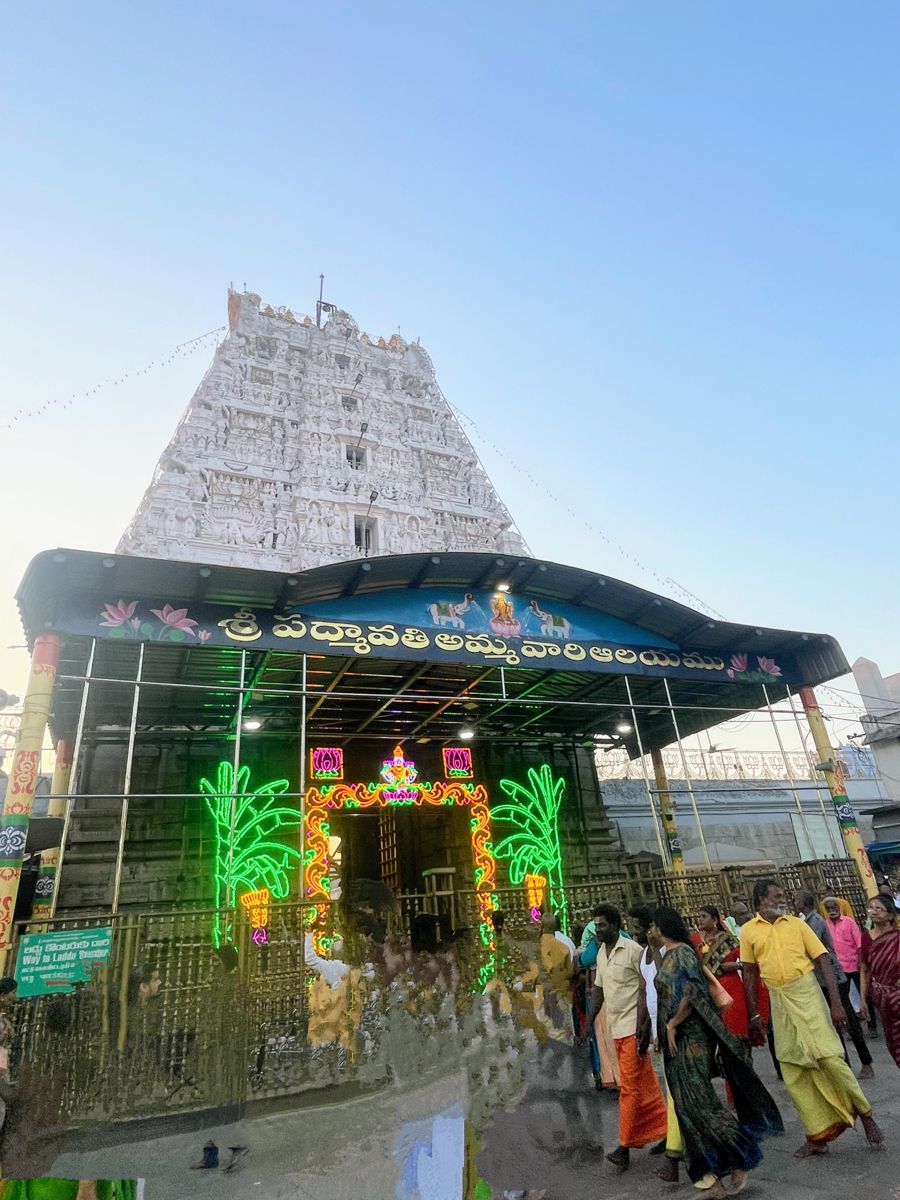
Tirupati holds a deeply revered place for Śrī worship, making it profoundly meaningful for women seekers, mothers, daughters, and guardians of family dharma. Unlike pilgrimage centers where participation may feel formal, Tirupati integrates feminine divinity at the heart of devotion through the worship of Mahālakṣmī in the form of Padmavathi, consort of Venkateswara. The temple of Sri Padmavathi Ammavari Temple is not a secondary shrine — it is a living center of grace, prosperity, and emotional reassurance.
Women-specific prayers in Tirupati often focus on harmony, stability, fertility (of family life, creativity, and purpose), and protection. Unmarried women seek clarity and self-worth along with marriage blessings; married women pray for mutual respect and continuity; mothers offer vows for children’s health and dharmic growth. Many women visit during life transitions — marriage, pregnancy, grief, or personal change — finding gentle strength and renewed confidence.
Devī worship here is compassionate yet empowering. Padmāvatī represents abundance and dignity, while associated Lakṣmī traditions emphasize balance and self-respect. The experience often leaves women feeling supported rather than dependent — as if reassurance quietly replaces anxiety and faith restores inner steadiness.
Tirupati teaches women that devotion is not submission; it is graceful strength anchored in self-worth and divine partnership.
🌳 Family & Ancestral Rituals (Pitṛs & Lineage Healing)
In Sanātana Dharma, an individual is never isolated — they are the living continuation of a lineage. Tirupati is one of the most trusted kṣetras in Bhārat for family reconciliation and gratitude-based ancestral prayers. At the sacred hills of Tirumala, offerings made before Venkateswara are believed to carry blessings not only to the present generation, but backward across the family line.
Family rituals in Tirupati go beyond solving immediate problems; they seek harmony within the lineage. Through śrāddha prayers, sankalpa-based offerings, annadāna in the name of ancestors, and vows fulfilled at the Sri Venkateswara Temple, pilgrims acknowledge gratitude for forefathers, seek peace for departed souls, and release inherited burdens carried unknowingly.
Many families report a sense of settling after such visits — not dramatic miracles, but gentle stability. Conflicts reduce, financial clarity improves, and emotional bonds feel lighter. Children seem calmer, elders feel reassured, and collective decisions flow more naturally. This is the quiet blessing of lineage alignment.
Tirupati reminds pilgrims that healing forward often requires honoring backward — offering gratitude to those whose prayers, struggles, and sacrifices made our present life possible.
🕉️ Tirupati: The Sacred Hub of Devotion and Divine Timing
🔮 Tirupati & Divine Alignment (Bhakti-Centered Guidance)
Tirupati is historically revered as a divinely chosen kṣetra for Kali Yuga, where destiny is softened through surrender. While astrology calculates karma, Tirupati emphasizes grace as the higher recalibration. Devotees often combine darśana at the Sri Venkateswara Temple with sankalpa-based prayers aligned to their birth star (nakṣatra) and tithi. The sacred presence of Venkateswara is believed to harmonize planetary influences through devotion rather than fear. The hills of Tirumala thus function as a living sanctuary where personal time aligns with divine timing.
🪐 Planetary Relief Through Surrender
Tirupati is especially sought by those facing delays, financial instability, marriage obstacles, or emotional burdens linked to planetary influences. Rather than focusing solely on doṣa removal, rituals here center on Archana, Hundi offerings, hair vows (mokku), and participation in sevas that cultivate humility. Saturday prayers, Ekādaśī fasting, and Śravaṇa nakṣatra worship are commonly observed. Devotees often report renewed confidence, reduced anxiety, and steady progress — signs of karmic softening through grace.
🧭 Life Path Reset & Inner Realignment
Spiritual recalibration in Tirupati is experienced as emotional reassurance and renewed direction. Through mantra japa, Divya Prabandham recitation, and time-aligned darśana, pilgrims feel their personal struggles gently reorganizing. Remedies performed here address career stagnation, relationship uncertainty, and ancestral worries by strengthening inner trust. The belief is simple yet profound: when surrender deepens, destiny adjusts. Tirupati works not by compressing karma, but by harmonizing it.
🔭 Temple Science & Sacred Order
Tirupati has long embodied disciplined temple administration and āgamic precision. Ritual timings from Suprabhātam to Ekānta Seva follow strict cosmological rhythms, reflecting harmony between celestial cycles and human devotion. The preservation of Vedic recitation, Sanskrit scholarship, and temple sciences demonstrates integration of faith and structure. Pilgrims sense that Tirupati stands as a bridge between heaven and earth — where divine order guides earthly life with steadiness and compassion.