🕉️ Spiritual Energy & Vibrational Significance of Madurai
Madurai is not merely a city; it is a living field of divine presence and sacred harmony. Among all sacred cities of Bhāratavarṣa, Madurai holds a unique position where devotion, love, and divine union converge through grace and celebration. Saints, poets, and seekers across ages have described Madurai as a place where the soul is embraced — not through purification alone, but through divine compassion and sacred relationship. Pilgrims often experience a deep warmth here — not the silence of release, but the fullness of divine presence.
The vibrational frequency of Madurai is deeply connected to Meenakshi, worshipped as the Divine Mother who governs with wisdom, strength, and compassion. Unlike kṣetras that focus on dissolution or cleansing, Madurai’s energy nurtures and stabilizes. It heals emotional imbalance, strengthens devotion, and restores inner confidence. This is why pilgrims seeking harmony, relationships, prosperity, or emotional grounding are naturally drawn here.
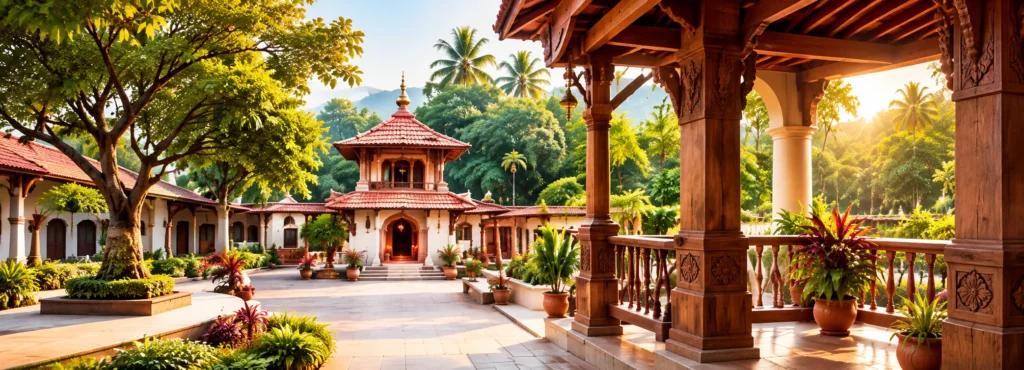
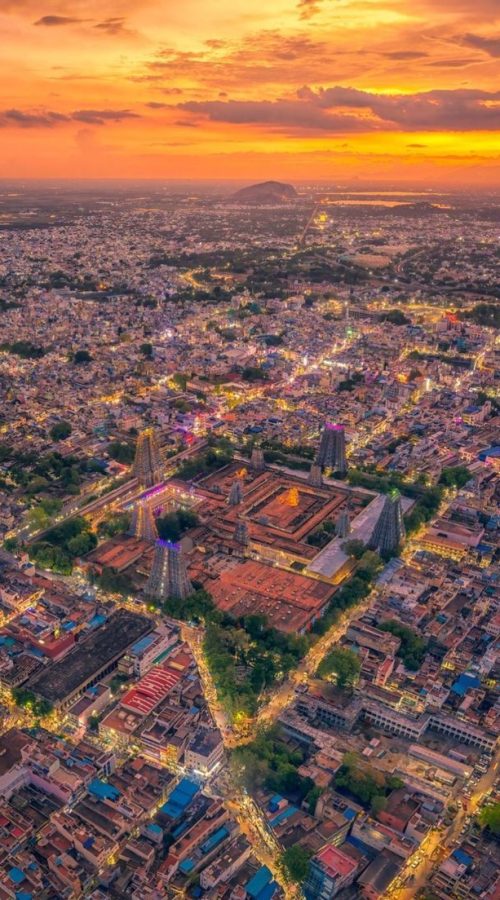
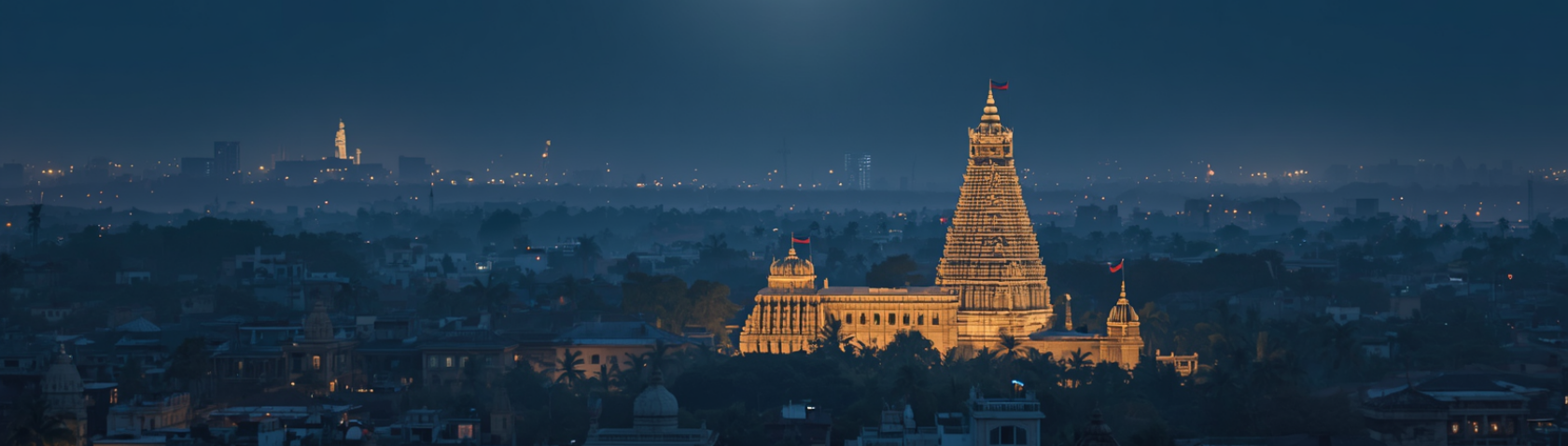
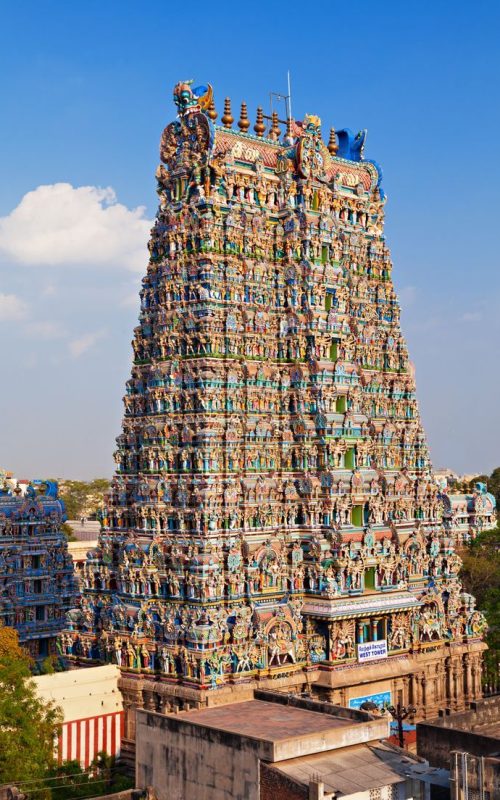
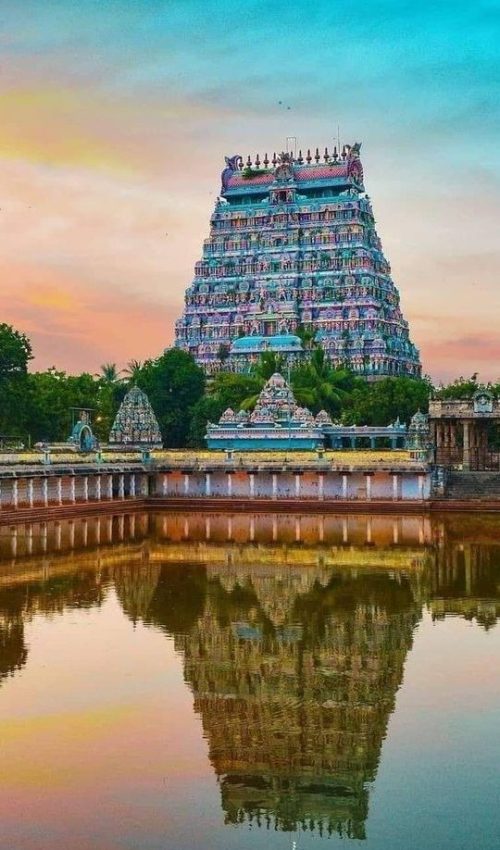
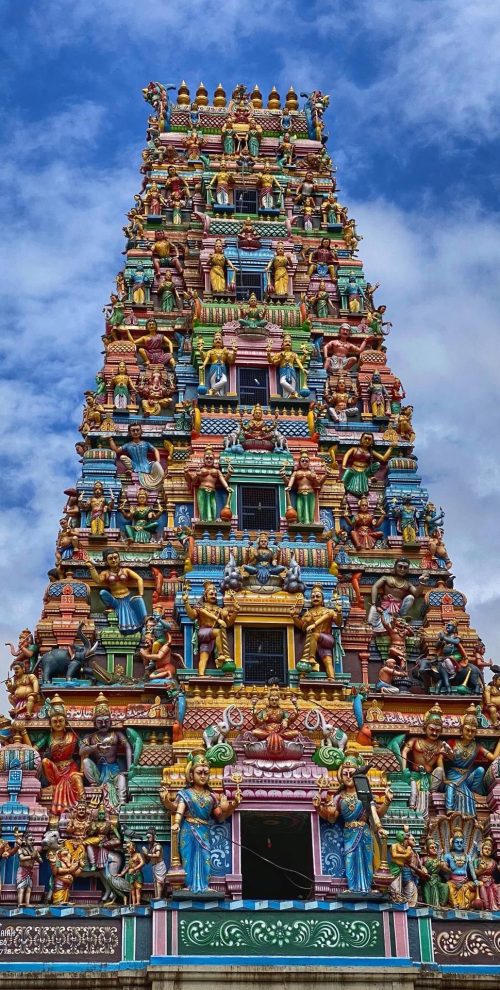
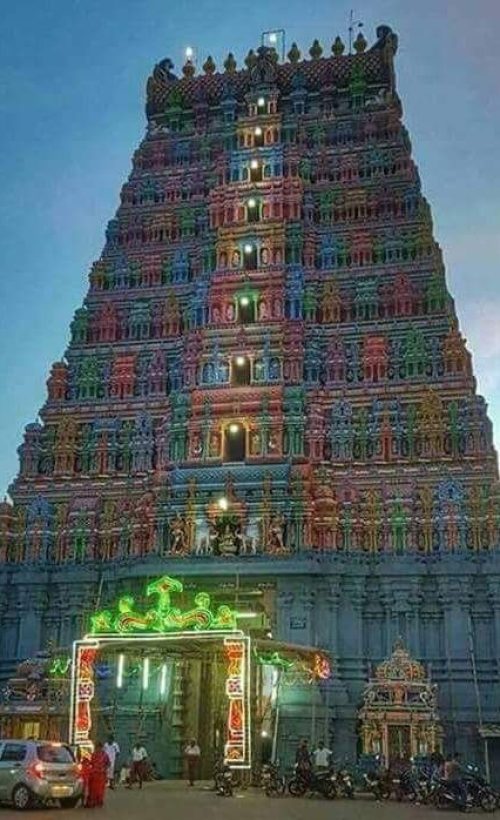
The presence of the sacred Meenakshi Amman Temple, the ancient temple city layout, and centuries of uninterrupted pūjā, festivals, music, and ritual have charged this kṣetra like a living center of divine celebration. The temple’s towering gopurams, intricate mandapas, and sacred sanctum create an environment where devotion flows continuously. Each pathway within the temple reflects movement toward divine union, guiding the pilgrim gently inward. The sanctum radiates an energy refined through love, devotion, and sacred tradition. One does not “visit” Madurai casually — the city embraces you whether you are ready or not. Even a brief darśan can leave a lasting sense of reassurance, emotional strength, and spiritual connection.
This is why Madurai is often described as a kṣetra of divine grace and harmony — where devotion blossoms, relationships are blessed, and the soul experiences balance, strength, and the quiet joy of divine presence 🕉️✨
⏳ Madurai in Vedas, Purāṇas & Itihāsas
Madurai’s sacredness is deeply rooted in the ancient spiritual traditions of Bhāratīya civilization. While early references appear in regional sacred traditions, it is in Purāṇic lore and temple legends that Madurai emerges as a divine center. The city is closely associated with the story of Goddess Mīnākṣī, believed to be an incarnation of Pārvatī, and her divine marriage to Lord Sundareshvara, a form of Shiva. Texts and traditions describe this union as not merely a mythological event, but a cosmic alignment of Śakti and Śiva — the balance of energy and consciousness.
Itihāsic traditions link Madurai with ancient Tamil kingdoms that preserved dharma through devotion, temple patronage, and cultural flourishing. The city became a center where rulers saw themselves as servants of the Divine, supporting temple expansion, rituals, and sacred arts. This connection between governance and spirituality transformed Madurai into a living embodiment of dharma in action.
Madurai is also revered as a kṣetra of divine union and completeness. While many sacred places emphasize liberation through detachment, Madurai teaches that spiritual fulfillment can arise through harmony, devotion, and sacred relationships. This continuity has given the city a unique devotional depth.
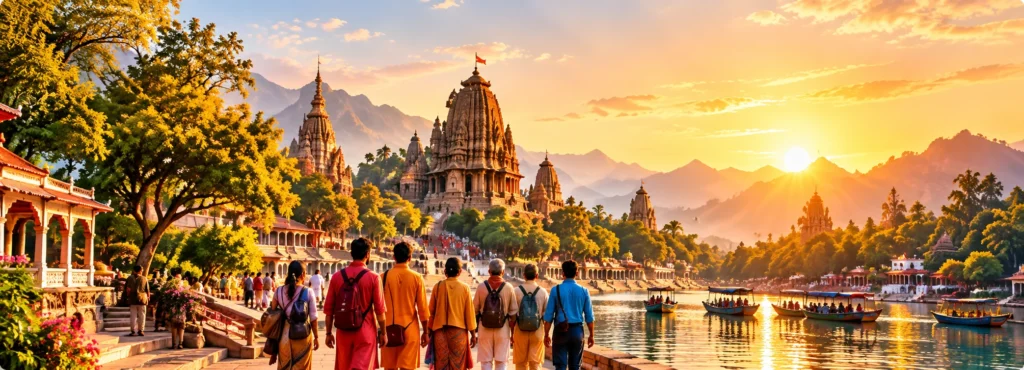
To walk in Madurai is to move through layers of living faith — temple rituals, Purāṇic legends, cultural devotion, music, poetry, and uninterrupted bhakti all coexist in vibrant harmony.
🏵️ Śākta–Śaiva, Bhakti & Temple Traditions of Madurai
Madurai is one of the rare places in Bhārat where Śākta and Śaiva traditions unite seamlessly. The Meenakshi Amman Temple stands at the heart of the city, representing the divine union of the Goddess and Lord Shiva. Here, the Supreme is experienced not as distant, but as relational — as mother, consort, protector, and beloved.
Bhakti traditions view Madurai not merely as a place of worship, but as a space of celebration and sacred participation. Pilgrims witness daily rituals, festivals, processions, and temple ceremonies that reflect the living presence of the Divine. These practices are not symbolic — they are expressions of joy, devotion, and divine connection.
What makes Madurai unique is its sense of divine celebration. While discipline and ritual exist, they are infused with beauty, music, color, and emotion. The kṣetra teaches that spirituality is not only about renunciation — it is also about embracing life as sacred.
For pilgrims, Madurai offers a path of devotion that is joyful yet profound — a journey of love, balance, gratitude, and inner fulfillment. The city welcomes all seekers, guiding them toward harmony, emotional healing, and the realization that the Divine can be experienced not only in silence, but also in celebration.
🌊 Madurai as a Mokṣa Kṣetra
Scriptures and sacred traditions affirm that even a sincere act of devotion in Madurai carries profound spiritual merit, for the divine presence of Goddess Mīnākṣī and Lord Sundareshvara is believed to bless, balance, and uplift the soul 🪔. The philosophy of this kṣetra is both gentle and transformative: harmony leads to wholeness, and devotion aligned with love dissolves inner conflict 🔄. This makes Madurai especially powerful for emotional healing, relationship harmony, fulfillment of heartfelt prayers, and steady spiritual growth 🌌.
Many pilgrims journey to Madurai not only for blessings, but for a sense of inner completeness and reassurance. Darśana at the Meenakshi Amman Temple, participation in rituals, and witnessing the divine union of Śakti and Śiva are believed to restore balance within the heart and mind. Elders often experience contentment and gratitude, while younger seekers feel emotional clarity and renewed confidence — as though life gently aligns into harmony.
Madurai does not confront or dissolve abruptly; it nurtures and completes 🕉️. For those who surrender to the sacred rhythm of this kṣetra, restlessness transforms into balance, and devotion becomes a bridge between life and fulfillment. Every darśana, ritual, offering, and silent prayer resonates with the promise of inner harmony — guiding the soul toward peace, joy, and the graceful experience of spiritual completeness.
🧭 Sacred Geometry & Cosmic Alignment of Madurai
Madurai’s spiritual power is not accidental — it is deeply aligned through sacred design and divine intention. Ancient traditions describe this kṣetra as a living mandala of harmony, where the city and temple are structured around the presence of the Divine Mother. Unlike places that evolved without spiritual planning, Madurai is believed to have been shaped around the Meenakshi Amman Temple as its sacred center, with streets and pathways radiating outward in concentric patterns. This places Madurai at the heart of sacred geometry in the southern spiritual landscape of Bhārat.
The layout of the Meenakshi Amman Temple reflects precise āgamic principles that preserve divine energy within the sanctum (garbha-gṛha), while its towering gopurams rise as symbolic gateways between the earthly and the cosmic. The inner corridors, prākāras, and shrine alignments create a structured spiritual journey, guiding the pilgrim from outer perception to inner awareness. Each movement within the temple becomes part of an inward pilgrimage — from devotion to realization, from separation to union.
Even walking through the streets of Madurai becomes part of this sacred design. Pilgrims gradually move from the outer bustle of the city toward the stillness of the sanctum. With each step, external noise softens and inner awareness deepens. This living geometry creates a subtle resonance field that amplifies devotion, balance, and emotional harmony. Many experience reassurance, clarity, and a sense of completeness — not through intensity, but through the quiet power of alignment itself.
Madurai teaches that spirituality is not only expressed through ritual; it is embodied in space, symmetry, and sacred movement — where every step, every pathway, and every darśana becomes part of inner harmony and divine connection.
🕰️ Role of Madurai in Kālacakra (Indian Philosophy of Time)
In Sanātana Dharma, time is not linear — it is cyclical, nurturing, and harmonizing. Madurai holds a unique place within this philosophy, where time is experienced as a movement toward balance, fulfillment, and divine union. Governed by the presence of Goddess Mīnākṣī and Lord Sundareshvara, this kṣetra reflects the rhythm of life as a sacred interplay between energy (Śakti) and consciousness (Śiva). Unlike kṣetras where time purifies or dissolves, Madurai is where time harmonizes — guiding the soul toward completeness and inner alignment.
The sacred structure of Madurai reflects this gentle rhythm of time. Daily temple rituals, festivals, and the symbolic divine marriage of Mīnākṣī and Sundareshvara mirror the cycles of creation, union, and renewal. Each darśana, procession, and offering represents a step within the Kālacakra — where life’s experiences are not rejected, but embraced and aligned with dharma. The continuous flow of worship, music, and devotion creates a living expression of time as celebration and sacred continuity.
Pilgrims often feel that time in Madurai softens into a reassuring and steady flow. Rituals are not experienced as intense or demanding, but as graceful and fulfilling. A single darśana or moment within the temple can feel complete, as though it carries emotional depth and spiritual meaning beyond ordinary time. Devotees experience clarity, emotional balance, and a sense of inner harmony — not through transformation alone, but through gentle alignment with life’s rhythm.
Madurai does not challenge time; it beautifies and balances it. Through devotion, celebration, and surrender, the kṣetra teaches that spiritual fulfillment arises not by escaping time, but by living in harmony with it. To walk its sacred streets, witness its rituals, or stand in silent prayer is to experience the Kālacakra as a cycle of grace — guiding the soul toward joy, balance, and the completeness of divine connection.
🕉️ Śrī Mīnākṣī–Sundareshvara (Divya Kṣetra)
The sacred presence of the Meenakshi Amman Temple stands at the heart of Madurai as one of the most revered abodes of the Divine Mother and Lord Shiva. Here the Goddess is worshipped as Mīnākṣī — the compassionate queen and embodiment of Śakti — alongside Sundareshvara, the graceful form of Shiva, representing divine beauty and balance. Unlike kṣetras centered on purification or dissolution, Madurai radiates a harmonious spiritual force of union and completeness. Pilgrims performing darśana, archana, abhiṣeka, japa, or silent prayer here are believed to come under the combined grace of the Divine Mother and Lord, who nurture emotional balance, remove inner conflict, and guide the soul toward harmony and fulfillment.
The divine celebrations in Madurai, especially the sacred Meenakshi Thirukalyanam (celestial wedding), carry a deeply immersive devotional atmosphere. Devotees gather in large numbers to witness the symbolic union of Mīnākṣī and Sundareshvara, accompanied by temple music, rituals, and vibrant processions. The temple corridors resonate with chanting, bells, and devotional expressions as pilgrims participate in vrata, offerings, and continuous remembrance. As the celebrations unfold, the kṣetra radiates joy, balance, and divine grace, leaving devotees with a sense of emotional fulfillment and spiritual reassurance.
Madurai has also long been a center of sacred culture, devotion, and artistic expression. For centuries, saints, poets, and devotees have contributed to its living tradition through music, dance, literature, and temple worship. The temple’s structured rituals, grand architecture, and vibrant festivals have nurtured a culture of devotion rooted in love and celebration. Even today, those who walk through the temple corridors of Madurai sense not only devotion but also a deep continuity of sacred life — a living confluence of bhakti, beauty, harmony, and joyful spiritual evolution.
🕉️ Living Wisdom of Madurai: Guru–Śiṣya Paramparā & Sacred Stays
Madurai is known for a living current of wisdom rooted in devotion, cultural expression, and sacred relationship rather than philosophical debate alone. For centuries, priests, scholars, and devotees have transmitted knowledge through temple traditions, rituals, music, and lived bhakti centered on the Meenakshi Amman Temple. Teachings in Madurai emphasize harmony, devotion, and alignment with dharma, reminding seekers that spiritual fulfillment arises not only from knowledge, but from love, participation, and inner balance.
Priests and guides connected to the temple continue this tradition through ritual instruction, mantra guidance, and participation in daily worship and festivals. In Madurai, wisdom often reveals itself through experience — a darśana of Mīnākṣī, a moment in the temple corridors, or witnessing a sacred procession. Guidance is gentle and experiential, unfolding naturally when the seeker approaches with openness and devotion.
🔱 Direct transmission through temple-centered traditions
🌺 Living traditions of bhakti, music, and sacred culture
👁️ Wisdom revealed through darśana and participation
📿 Lineages sustained by devotion and celebration
🚶 Guidance meets openness and heartfelt surrender
🌿 Devotion leads to harmony and inner fulfillment
In Madurai, accommodation shapes the pilgrim’s spiritual rhythm. Traditional dharma-based lodgings and guest houses near the temple provide simple, sattvic spaces suited for rest, prayer, and reflection after darśana. Ashram-style stays encourage early rising, participation in temple rituals, and immersion in devotional practices, aligning the pilgrim with the vibrant rhythm of the kṣetra. These environments allow the sacred atmosphere of Madurai to unfold through both stillness and celebration.
Modern hotels across the city offer comfort and accessibility, yet mindful selection helps preserve the devotional mood of the yātra. Staying close to the temple enhances connection with the sacred pulse of Madurai. When accommodation supports simplicity and awareness, rest itself becomes part of the pilgrimage — allowing the pilgrim to absorb not only darśana, but the joyful grace and harmony of the kṣetra.
🛕 Sattvic lodgings near temple surroundings
🕯️ Ashram routines aligned with devotional rhythm
🌅 Early morning temple darśana and prayer
🧘 Rest integrated with balance and reflection
🔕 Mindful hotel choices maintain sacred atmosphere
🌿 Surroundings deepen the pilgrimage experience
📿 Day-wise Ritual Planner (1-Day, 3-Day & 5-Day Yātra)
Madurai is not meant to be rushed. Each day spent here corresponds to a deeper layer of harmony, devotion, and inner fulfillment. A structured ritual plan allows the pilgrim to move gradually from sacred darśana to emotional and spiritual alignment under the grace of the Meenakshi Amman Temple.
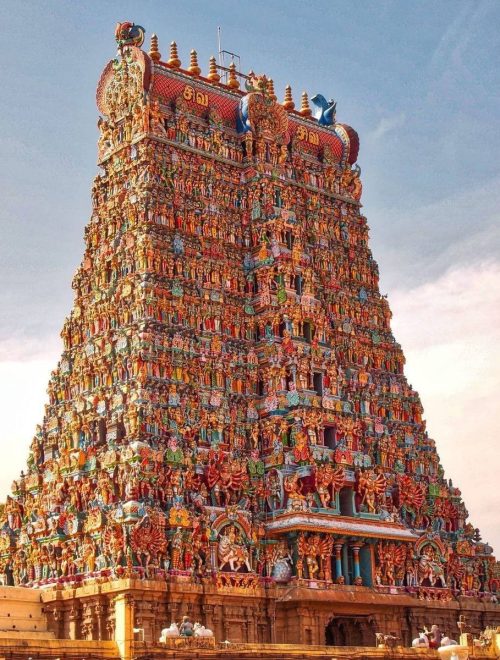
🕉️ 1-Day: Blessing & Divine Harmony
Ideal for travelers short on time, this Yātra focuses on receiving the blessings of Goddess Mīnākṣī and Lord Sundareshvara through darśana and simple temple participation. The day includes early morning darśana, participation in archana or a brief ritual, and a visit to associated shrines within the temple complex. Even in a single day, pilgrims experience reassurance, devotion, and emotional balance. This journey offers a gentle yet powerful reset, aligning mind, heart, and spirit through divine grace.
🌅 Early morning temple darśana
🙏 Archana or simple ritual participation
🛕 Visit to Sundareshvara shrine
🌿 Harmony & devotional fulfillment
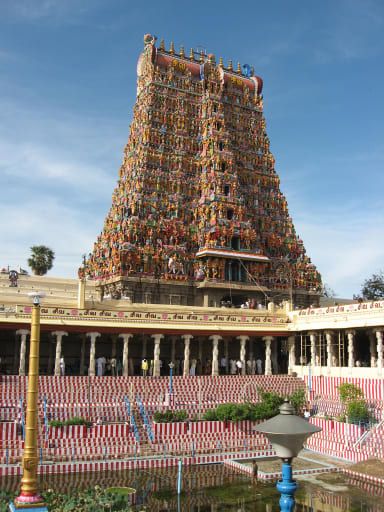
🕉️ 3-Days: Devotion & Inner Alignment
This Yātra is designed for seekers ready for deeper immersion. Over three days, pilgrims experience devotion, reflection, and emotional stabilization through repeated darśana, temple rituals, and quiet participation in the sacred atmosphere. The journey may include witnessing temple ceremonies, listening to devotional chants, and spending time in silent contemplation within the temple Premises. Many pilgrims feel emotional clarity, strengthened faith, and a deeper connection with the divine presence of Madurai, making this an ideal pilgrimage for meaningful alignment.
🌊 Repeated darśana and temple participation
🕯️ Devotional chanting and silent reflection
🔄 Temple circumambulation and shrine visits
✨ Inner clarity & spiritual alignment
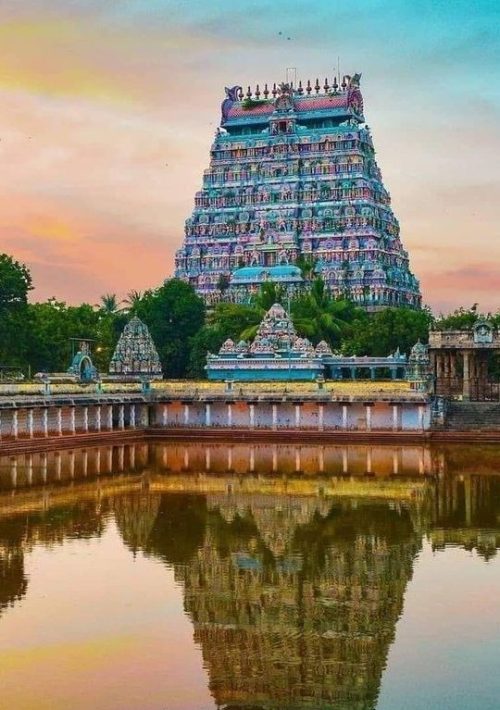
🕉️ 5-Days: Deep Devotional Immersion
For devoted seekers, this extended Yātra offers profound emotional and spiritual fulfillment. Pilgrims participate in multiple temple rituals, attend special ceremonies and processions, revisit shrines, and spend time in meditation and reflection within the temple and sacred city. Over five days, many experience deep emotional healing, gratitude, and a steady sense of inner completeness. This journey allows the pilgrim to fully absorb the vibrant spiritual rhythm and graceful harmony of Madurai.
🌙 Extended temple rituals and celebrations
🕉️ Repeated darśana & meditation
📿 Participation in special ceremonies
🌿 Spiritual harmony & inner fulfillment
🧳 First-Time Pilgrim Guide to Madurai
For first-time pilgrims, Madurai feels welcoming — not overwhelming, but deeply enriching and harmonious. This is not merely a historic temple city; it is a living spiritual ecosystem shaped by devotion, ritual, culture, and continuous worship of the Divine Mother and Lord Shiva. The ideal approach is humility, patience, and openness, allowing the sacred rhythm of the temple and city to guide you rather than rushing through experiences. When approached this way, Madurai reveals itself gracefully, offering emotional balance, clarity, and quiet inner fulfillment.
First-timers are advised to:
• Begin with darśana at the Meenakshi Amman Temple
• Spend silent moments within the temple premises and surrounding corridors
• Avoid over-scheduling multiple rituals in one visit
• Observe temple traditions and flow before questioning procedures
Many mistakes arise from treating Madurai like a checklist destination. The kṣetra unfolds through participation and presence. Even waiting, walking through temple corridors, or simply observing rituals becomes part of the experience. Madurai welcomes beginners not with intensity, but with graceful inclusion.
🕰️ Temple Timings & Crowd Patterns
Understanding temple timings is essential. Early morning hours (opening time to mid-morning) are ideal for peaceful darśana. Evenings become more vibrant with rituals, lamps, and devotional activity. Festival days attract large crowds but amplify collective devotion. Strategic planning helps balance darśana, quiet reflection, and participation in temple life. Aligning personal sādhana with these rhythms allows both stillness and celebration to be experienced fully.
🌙 Special Pūjās by Tithi, Nakṣatra & Rāśi
Madurai is especially powerful for devotion-based rituals aligned with sacred timings. Temple worship here follows āgamic traditions that enhance harmony and fulfillment.
• Fridays are significant for Goddess Mīnākṣī worship
• Pūrṇimā enhances gratitude, abundance, and emotional balance
• Festival days like Meenakshi Thirukalyanam hold deep spiritual importance
Astrologically, Madurai is considered beneficial for those seeking harmony in relationships, emotional healing, and stability in life. Rituals aligned with one’s rāśi and nakṣatra are believed to bring balance and reassurance through divine grace.
Importantly, these pūjās follow sacred temple traditions preserved for centuries.
🕉️ Fasting, Vratas & Observances in Madurai
Fasting in Madurai is not about austerity; it is about devotion and inner balance. Vratas observed here align the heart with grace and harmony. Because Madurai embodies divine union and compassion, even simple observances carry emotional depth.
Common vratas include:
• Friday vrata for Goddess worship and prosperity
• Pūrṇimā observances for gratitude and fulfillment
• Navarātri for Devī strength and spiritual renewal
• Personal vow-based temple visits for blessings
Pilgrims are advised to keep fasts simple and sattvic. Even partial fasting combined with darśana and prayer creates inner steadiness.
Many experience emotional clarity, reassurance, and a sense of balance during vratas in Madurai — signs of inner harmony.
🌙 Evening Rituals & Temple Atmosphere
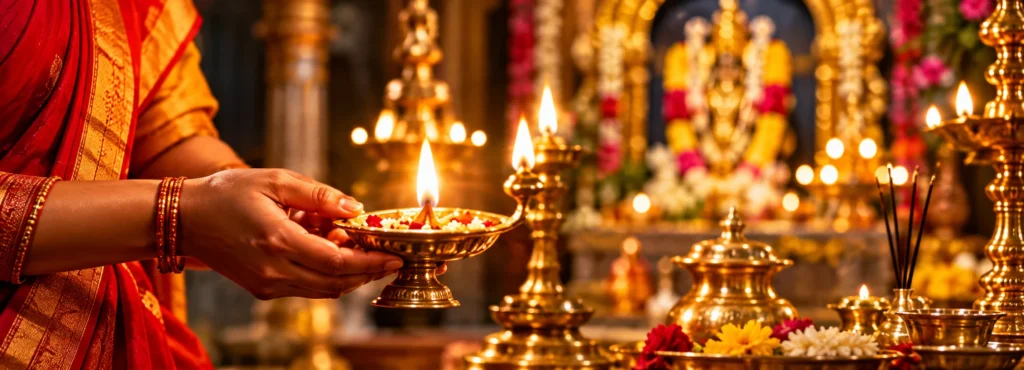
Evenings in Madurai carry a vibrant devotional warmth. Temple rituals, lamps, music, and processions create an atmosphere of joy and reverence. Many pilgrims find that evening darśana deepens emotional connection and gratitude, allowing devotion to be experienced as celebration rather than intensity.
👴 Senior Citizens & Group Yātra Guidance
Madurai is accessible for elders and group pilgrims when approached with mindful pacing, especially considering temple walking and crowd flow.
For elders:
• Choose early morning darśana slots
• Take rest intervals between visits
• Prioritize fewer but meaningful rituals
Group yātras benefit from shared devotion, simple coordination, and calm movement. When the body is cared for, the experience becomes more fulfilling.
Madurai honors those who arrive not to rush, but to experience devotion with presence and joy.
🔥 Prayer & Remedy Guidance (Harmony, Relationships, Inner Balance)
Madurai has long been trusted as a kṣetra for emotional harmony and fulfillment.
• Relationship challenges are addressed through Goddess worship and prayer
• Emotional imbalance is soothed through darśana and temple participation
• Life uncertainty is eased through surrender and devotional alignment
Pilgrims often feel a gentle transformation — not intense change, but steady reassurance and balance.
Madurai does not confront; it harmonizes.
🌺 Women-Specific Rituals & Devī Worship in Madurai
Madurai holds a deeply revered place for Śakti worship, making it profoundly meaningful for women seekers, mothers, daughters, and guardians of family dharma. Unlike many pilgrimage centers where Devī worship is complementary, Madurai places the Divine Feminine at the very heart of its sacred identity through the worship of Goddess Mīnākṣī, the presiding deity of the Meenakshi Amman Temple. This temple is not just a shrine — it is a living center of शक्ति (Śakti), sovereignty, and divine balance where the Goddess is revered as ruler, mother, and guide.
Women-specific rituals in Madurai often focus on empowerment, harmony, fertility (of life, creativity, and purpose), and emotional strength. Unmarried women seek clarity, confidence, and righteous partnership; married women pray for mutual respect, stability, and continuity in family life; mothers offer prayers for children’s wellbeing and dharmic growth. Many women visit during significant life transitions — marriage, pregnancy, grief, or personal transformation — discovering renewed strength and inner assurance through the grace of Mīnākṣī.
Devī worship here is both powerful and nurturing. Mīnākṣī embodies sovereignty, wisdom, and fearless compassion, while her divine union with Sundareshwara (Shiva) represents perfect balance between strength and stillness. The experience often leaves women feeling uplifted and centered — not dependent, but deeply empowered, as if their inner strength has been awakened and affirmed.
Madurai teaches women that devotion is not submission; it is divine strength expressed through dignity, courage, and self-realization — guided by the boundless grace of the Divine Mother.
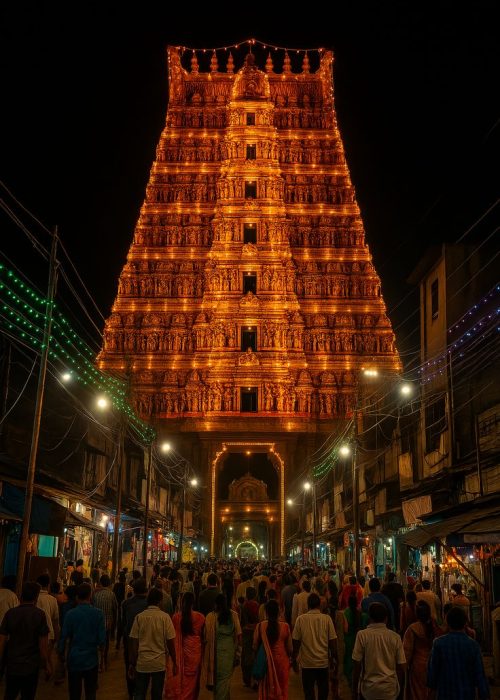
🌳 Family & Ancestral Rituals (Pitṛs & Lineage Healing)
In Sanātana Dharma, an individual is never isolated — they are the living continuation of a lineage. Madurai is one of the most sacred kṣetras in Bhārat for family harmony, gratitude-based ancestral remembrance, and dharmic continuity. Centered around the divine presence of Goddess Mīnākṣī at the Meenakshi Amman Temple, rituals performed here are believed to strengthen both lineage blessings and present-life stability through devotion, balance, and grace.
Family rituals in Madurai go beyond addressing immediate concerns; they seek harmony, continuity, and emotional alignment within the lineage. Through sankalpa-based prayers, offerings to the Divine Mother, annadāna in the name of ancestors, and temple-based rituals, pilgrims express gratitude to forefathers, pray for their peace, and seek blessings for future generations. Unlike kṣetras focused on intense purification, Madurai emphasizes nurturing continuity — where family bonds are strengthened through divine grace.
Many families experience a sense of grounding after such visits — not dramatic transformation, but steady emotional balance. Relationships soften, mutual understanding improves, and decisions begin to flow with greater clarity. Children appear more settled, elders feel supported, and the family unit regains harmony. This gentle stability is understood as the blessing of divine motherhood guiding the lineage.
Madurai reminds pilgrims that healing forward is sustained through harmony in the present — honoring ancestors not only through ritual, but through balanced living, gratitude, and the nurturing grace of the Divine Mother.
🕉️ Madurai: The Sacred Hub of Śakti, Harmony & Divine Balance
🔮 Madurai & Inner Empowerment (Bhakti-Centered Guidance)
Madurai is revered across centuries as a sacred kṣetra of divine balance and empowerment, where devotion transforms life through grace, strength, and inner alignment. Pilgrims come here not only for blessings, but for emotional grounding and spiritual clarity. Many combine darśana at the Meenakshi Amman Temple with mantra japa, temple circumambulation, and sankalpa-based prayers aligned to tithis and personal intention. The presence of Goddess Mīnākṣī is believed to nurture both strength and compassion, guiding the soul toward balance and purposeful living. Thus the kṣetra functions as a living sanctuary where devotion aligns human life with harmony and dharma.
🪐 Planetary Relief Through Grace
Madurai is traditionally sought by those facing emotional imbalance, relationship challenges, or life uncertainty. Rather than focusing only on ritual remedies, the path here emphasizes balance through devotion, prayer, and surrender to the Divine Mother. Temple worship, offerings, and participation in rituals gradually restore inner calm. Devotees often experience emotional reassurance, renewed confidence, and steady progress — signs of inner harmony emerging through grace and devotion.
🧭 Life Path Reset & Inner Realignment
Spiritual transformation in Madurai is experienced as empowerment and clarity rooted in balance. Through darśana, mantra japa, and quiet reflection within the temple’s sacred space, pilgrims often feel their inner state stabilizing. Personal struggles begin to soften, and life direction becomes clearer without pressure. Remedies performed here address emotional turbulence, relationship concerns, and confusion by strengthening inner confidence. The belief is simple yet profound: when balance is restored, life aligns naturally. Madurai works not by confronting destiny, but by harmonizing it through the grace of Śakti.
🔭 Sacred Discipline & Timeless Traditions
Madurai has long stood as a center of temple culture, ritual precision, and sacred continuity. The traditions of worship, temple festivals, and daily rituals reflect a system where spiritual life flows with rhythm, discipline, and devotion. Ceremonies within the temple align with sacred timing, creating harmony between human life and divine order. Pilgrims sense that Madurai stands as a bridge between strength and serenity — a kṣetra where devotion to the Divine Mother guides life toward stability, confidence, and spiritual fulfillment.