
🕉️ Spiritual Energy & Vibrational Significance of Rāmeśvaram
Rāmeśvaram is not merely a coastal town; it is a living field of sacred purification and divine grace. Among all sacred cities of Bhāratavarṣa, Rameswaram holds a unique position where devotion, karma, and liberation converge through humility and ritual. Saints, sages, and seekers across ages have described Rāmeśvaram as a place where the soul is cleansed — not through intensity, but through surrender and sacred action. Pilgrims often experience a quiet lightness here — not the silence of emptiness, but the stillness of release.
The vibrational frequency of Rāmeśvaram is deeply connected to Shiva, worshipped here as Ramanathaswamy, the Lord who absolves karmic burdens. Unlike kṣetras that confront or awaken through intensity, Rāmeśvaram’s energy purifies and restores. It gently washes away accumulated karma, emotional weight, and ancestral imprints. This is why pilgrims carrying past burdens, seeking atonement, fulfilling vows, or longing for inner peace are instinctively drawn here.
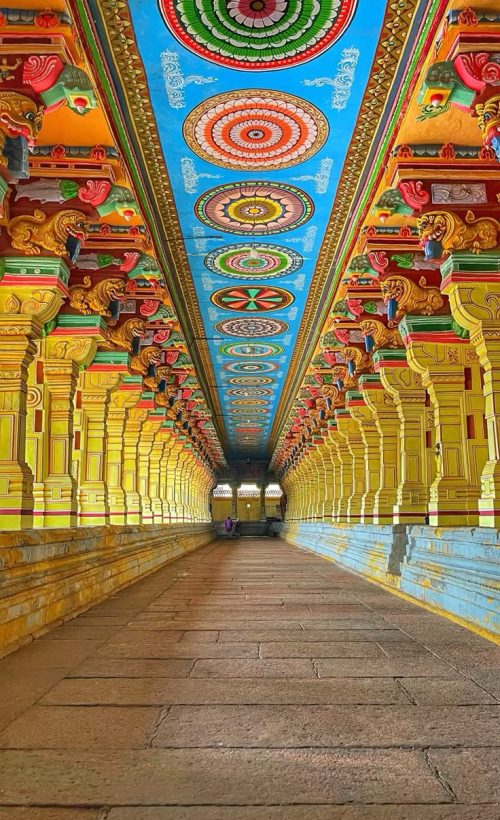
The presence of the sacred sea (Agni Tīrtham), the long corridors and tīrthas within the Ramanathaswamy Temple, and centuries of uninterrupted ritual bathing, mantra, yajña, and worship have charged this kṣetra like a spiritual cleansing gateway. Each of the 22 tīrtha wells within the temple symbolizes inner purification, guiding the pilgrim step by step toward clarity. The sanctum radiates an energy refined through devotion, repentance, and surrender. One does not “visit” Rāmeśvaram casually — the kṣetra purifies you whether you seek it or not. Even a single Snāna or darśan can leave a deep sense of release, emotional lightness, and spiritual renewal.
This is why Rāmeśvaram is often described as a kṣetra of sacred cleansing — where karma is softened, burdens are washed away, and the soul moves toward peace, balance, and quiet liberation 🕉️✨
⏳ Rameswaram in Vedas, Puranas & Itihasas
Rameswaram’s sacredness is not a later development; it is deeply rooted in the spiritual foundations of Bharatiya civilization. While early Vedic traditions refer to sacred southern kshetras associated with purification and oceanic sanctity, it is in the Itihasa of the Ramayana and later Puranic texts that Rameswaram clearly emerges as a divine center. It is here that Lord Rama, after the battle in Lanka, is believed to have installed and worshipped Lord Shiva in the form of a linga, seeking absolution and divine blessing. Texts such as the Skanda Purana describe Rameswaram as a kshetra where karma is purified through devotion, repentance, and sacred ritual.
Itihasic traditions connect Rameswaram not only with Lord Rama but also with the legendary bridge (Rama Setu) built across the ocean, symbolizing faith overcoming impossibility. Kings, saints, and devotees across centuries have revered this kshetra as a place of atonement and renewal, where even the greatest bow in humility before dharma. This association transforms Rameswaram into a sacred meeting point of devotion, duty, and divine grace.
Rameswaram is also uniquely revered as a purifier of karma. While sacred in all ages, it is believed that rituals performed here — especially ritual bathing and linga worship — cleanse past actions and prepare the soul for spiritual growth. This continuity has given the kshetra a depth of faith that is both personal and universal. To walk in Rameswaram is to walk through layers of living devotion — epic memory, Puranic reverence, ritual purification, and unwavering bhakti all coexist here in harmony.
🏵️ Shaiva, Bhakti & Temple Traditions of Rameswaram
Rameswaram is one of the rare places in Bharat where Shaiva worship, Ramayana devotion, and temple ritual unite seamlessly. The Ramanathaswamy Temple stands as the spiritual heart of the kshetra, where the Supreme is worshipped as Ramanathaswamy, embodying both compassion and purification. The temple’s sacred corridors, tirthas, and ritual structure create a complete spiritual journey — from outer cleansing to inner surrender.
Bhakti traditions view Rameswaram not merely as a place of ritual, but as a space of humility and atonement. Pilgrims perform ritual bathing across the 22 sacred wells within the temple, offer prayers, and walk through the temple corridors in reverence. These practices are not symbolic — they are lived expressions of surrender and purification.
What makes Rameswaram unique is its quiet spiritual depth. There is no overwhelming intensity, but a profound sense of cleansing and renewal. The kshetra teaches that liberation does not always come through intensity — it can arise through humility, repentance, and sincere devotion. For pilgrims, this offers a gentle yet powerful path: purification, prayer, gratitude, and inner peace.
Rameswaram welcomes all seekers, guiding them toward balance, clarity, and the quiet grace of spiritual renewal — where devotion itself becomes the bridge between the human and the Divine.

🌊 Rameswaram as a Moksha Kshetra
Scriptures declare that even a sincere act of devotion at Rameswaram carries immense spiritual merit, for the presence of Lord Shiva as Ramanathaswamy is believed to sanctify and purify the soul 🪔. The philosophy of this kshetra is deeply reassuring: purification leads to liberation, and sincere repentance transforms karma 🔄. This makes Rameswaram especially powerful for karmic cleansing, ancestral rites (Pitr karma), spiritual renewal, and preparation for higher spiritual progress 🌌.
Many pilgrims journey to Rameswaram seeking not only blessings, but inner cleansing and completion. Ritual bathing in the sacred waters, followed by worship at the Ramanathaswamy Temple, is believed to wash away past burdens and align the soul with dharma. Elders often visit with a sense of fulfillment, while younger seekers experience clarity and emotional release — as if the weight of past actions gently dissolves.
Rameswaram does not confront impermanence; it soothes it with purification 🕉️. For those who surrender to the sacred rhythm of this kshetra, guilt transforms into humility, and devotion becomes a bridge between karma and liberation. Every sacred bath, temple ritual, offering, and silent prayer resonates with the promise of inner cleansing — guiding the soul toward peace, balance, and the quiet grace of spiritual freedom.
🧭 Sacred Geometry & Cosmic Alignment of Rameswaram
Rameswaram’s spiritual power is not accidental — it is deeply aligned through sacred geography and divine intention. Ancient traditions describe this kshetra as a bridge between land and ocean, symbolizing the connection between the human and the divine. Unlike cities that evolved through expansion, Rameswaram is believed to have formed around a sacred purpose, where temple, sea, and pilgrimage pathways align with the rhythm of purification and surrender. This places Rameswaram as a vital center of sacred geography in the southern spiritual landscape of Bharat.
The layout of the Ramanathaswamy Temple reflects ancient temple principles that preserve divine energy within the sanctum (garbha-griha), while its long, majestic corridors represent the soul’s inward journey. The alignment of the 22 sacred tirthas within the temple complex creates a structured path of purification, where each step symbolizes gradual cleansing of body, mind, and karma. The surrounding sea further enhances this geometry, acting as a vast field of spiritual absorption and renewal.
Even the act of moving through Rameswaram becomes part of this sacred design. Pilgrims transition from the outer world into ritual bathing, temple entry, and silent prayer. With each stage, external distractions fade, and inner awareness deepens. This living alignment creates a subtle field that amplifies devotion, humility, and surrender. Many experience emotional release, clarity, or quiet peace — not through intensity, but through the gentle power of purification itself.
Rameswaram teaches that spirituality is not only practiced through rituals; it is embedded in space, movement, and the sacred rhythm of the kshetra itself — where every step becomes part of inner alignment and divine connection.
🕰️ Role of Rameswaram in Kalachakra (Indian Philosophy of Time)
In Sanatana Dharma, time is not linear — it is cyclical, purifying, and guiding. Rameswaram holds a unique place within this philosophy, where time is experienced as a process of cleansing and renewal rather than dissolution. Governed by the presence of Lord Shiva as Ramanathaswamy and sanctified by the devotion of Lord Rama, this kshetra reflects a balance between action (karma), repentance, and spiritual progression. Unlike kshetras where time dissolves identity, Rameswaram is where time refines it — preparing the soul for higher awareness.
The sacred structure of Rameswaram reflects this rhythm of time. Ritual bathing in the sea, followed by purification through the 22 tirthas and worship within the temple, mirrors the soul’s journey through cycles of action, cleansing, and renewal. Each stage represents a step within the Kalachakra — where past actions are acknowledged, purified, and gradually transformed. The ocean tides, temple rituals, and daily cycles of worship together create a living expression of time’s continuous movement toward balance.
Pilgrims often feel that time in Rameswaram slows into a steady, grounding rhythm. Rituals are not rushed; they unfold with patience and intention. A single act of prayer or sacred bathing can feel deeply complete, as if it carries the weight of many moments. Devotees experience clarity, emotional release, and a sense of inner reset — not through intensity, but through gradual alignment with dharma.
Rameswaram does not dissolve time; it harmonizes it. Through purification, prayer, and surrender, the kshetra teaches that liberation is not separate from time, but arises through understanding and refining one’s journey within it. To walk its corridors, perform sacred bathing, or stand in silent prayer is to witness the Kalachakra in motion — and to experience the quiet transformation that leads the soul toward peace, balance, and spiritual freedom.
🕉️ Śrī Rāmanāthasvāmi (Divya Kṣetra)
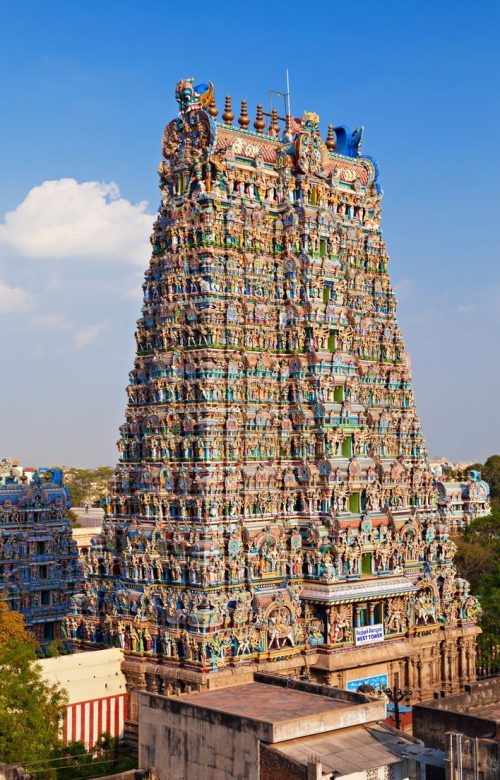
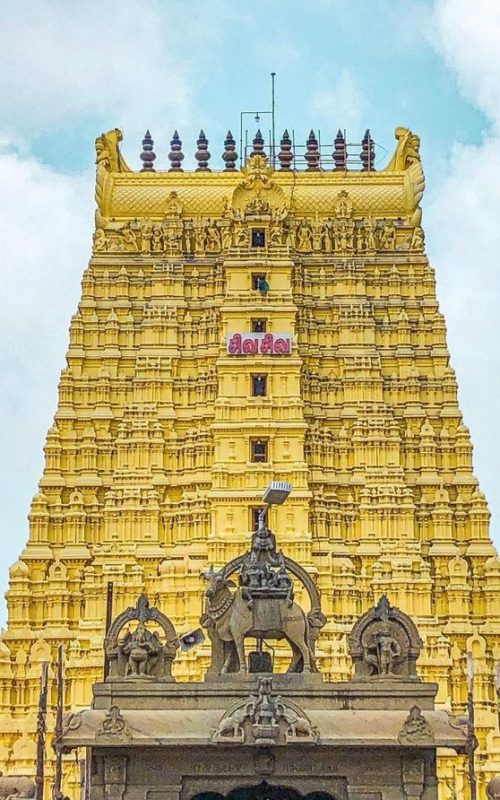
The sacred presence of the Ramanathaswamy Temple stands at the heart of Rameswaram as one of the most revered abodes of Shiva. Here the Lord is worshipped as Ramanathaswamy — the compassionate purifier, embodying both grace and the power that cleanses karmic burden. Unlike kṣetras centered on liberation through intensity, Rameswaram radiates a gentle yet profound spiritual force of purification and renewal. Pilgrims performing darśana, abhiṣeka, snāna, japa, or silent prayer here are believed to come under the direct grace of the Lord, who gradually removes karmic weight and prepares the soul for higher awareness and Mokṣa.
Mahāśivarātri in Rameswaram carries a deeply immersive devotional atmosphere. Devotees gather in large numbers to worship the Lord through the night with mantra, sacred bathing, and temple rituals. The temple corridors resonate with Vedic chanting and the rhythmic flow of devotees moving between tīrthas and sanctum. Pilgrims observe vrata, perform abhiṣeka, and remain in continuous remembrance. As dawn rises near the ocean, the kṣetra feels renewed — carrying a sense of cleansing, humility, and spiritual steadiness that leaves devotees with inner peace.
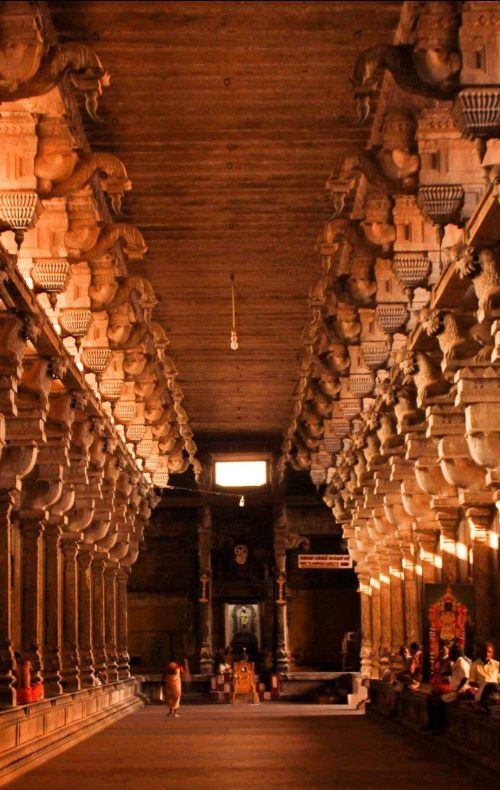
Rameswaram has also long been a center of sacred ritual discipline and pilgrimage tradition. For centuries, saints, seekers, and devotees have journeyed here to perform purification rites, fulfill vows, and align with dharma. The temple traditions, sacred tīrthas, and structured rituals have nurtured a culture of devotion rooted in humility and sincerity. Even today, those who walk through the long corridors of Rameswaram sense not only devotion but also a deep continuity of practice — a living confluence of bhakti, discipline, purification, and quiet spiritual evolution.
🕉️ Living Wisdom of Rameswaram: Guru–Śiṣya Paramparā & Sacred Stays
Rameswaram is known for a living current of wisdom rooted in discipline, humility, and ritual practice rather than philosophical debate alone. For centuries, priests, teachers, and spiritual guides have transmitted knowledge through temple traditions, sacred rites, and lived devotion centered on Ramanathaswamy Temple. Teachings in Rameswaram emphasize purification, surrender, and alignment with dharma, reminding seekers that spiritual progress arises not merely from learning, but from practice, sincerity, and inner transformation.
Priests and guides connected to the temple continue this tradition through ritual instruction, mantra guidance, and the proper conduct of sacred practices such as snāna and abhiṣeka. In Rameswaram, wisdom often reveals itself through participation — a sacred bath, a quiet prayer in the corridors, or a moment of stillness near the sea. Guidance is subtle and experiential, unfolding naturally when the seeker approaches with humility and openness.
🔱 Direct transmission through temple-based guidance
🌊 Living traditions of ritual purity and dharmic practice
👁️ Wisdom revealed through participation and silence
📿 Lineages sustained by discipline and devotion
🚶 Guidance meets sincerity and surrender
🌿 Humility opens the path to inner cleansing
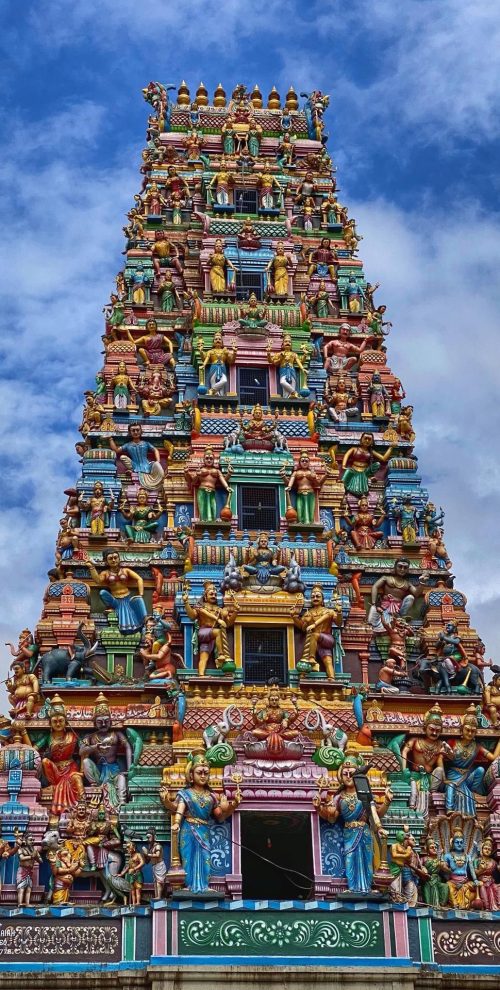
In Rameswaram, accommodation shapes the pilgrim’s spiritual rhythm. Traditional dharamshalas near the temple and seashore offer simple, sattvic spaces suited for rest, prayer, and reflection after rituals. Ashrams provide structured environments where daily routines include chanting, study, and temple visits, aligning the pilgrim with the steady rhythm of the kshetra. These spaces encourage inward focus and allow the sacred atmosphere of Rameswaram to unfold gradually.
Modern hotels across the town provide comfort and convenience, yet mindful selection helps preserve the contemplative nature of the yatra. Staying close to the temple or near the sea enhances connection with the sacred flow of purification. When accommodation supports simplicity and awareness, rest itself becomes part of the pilgrimage — allowing the pilgrim to absorb not only darshana, but the quiet grace of renewal.
🛕 Sattvic dharamshalas near temple and seashore
🕯️ Ashrams with chanting and disciplined routines
🌅 Early morning sea darshana and prayer
🧘 Rest integrated with reflection and inner balance
🔕 Mindful hotel choices maintain sacred atmosphere
🌿 Surroundings deepen the pilgrimage experience
📿 Day-wise Ritual Planner (1-Day, 3-Day & 5-Day Yātra)
Rameswaram is not meant to be rushed. Each day spent here corresponds to a deeper layer of purification and inner balance. A structured ritual plan allows the pilgrim to move gradually from sacred snāna to spiritual alignment under the grace of Ramanathaswamy Temple.
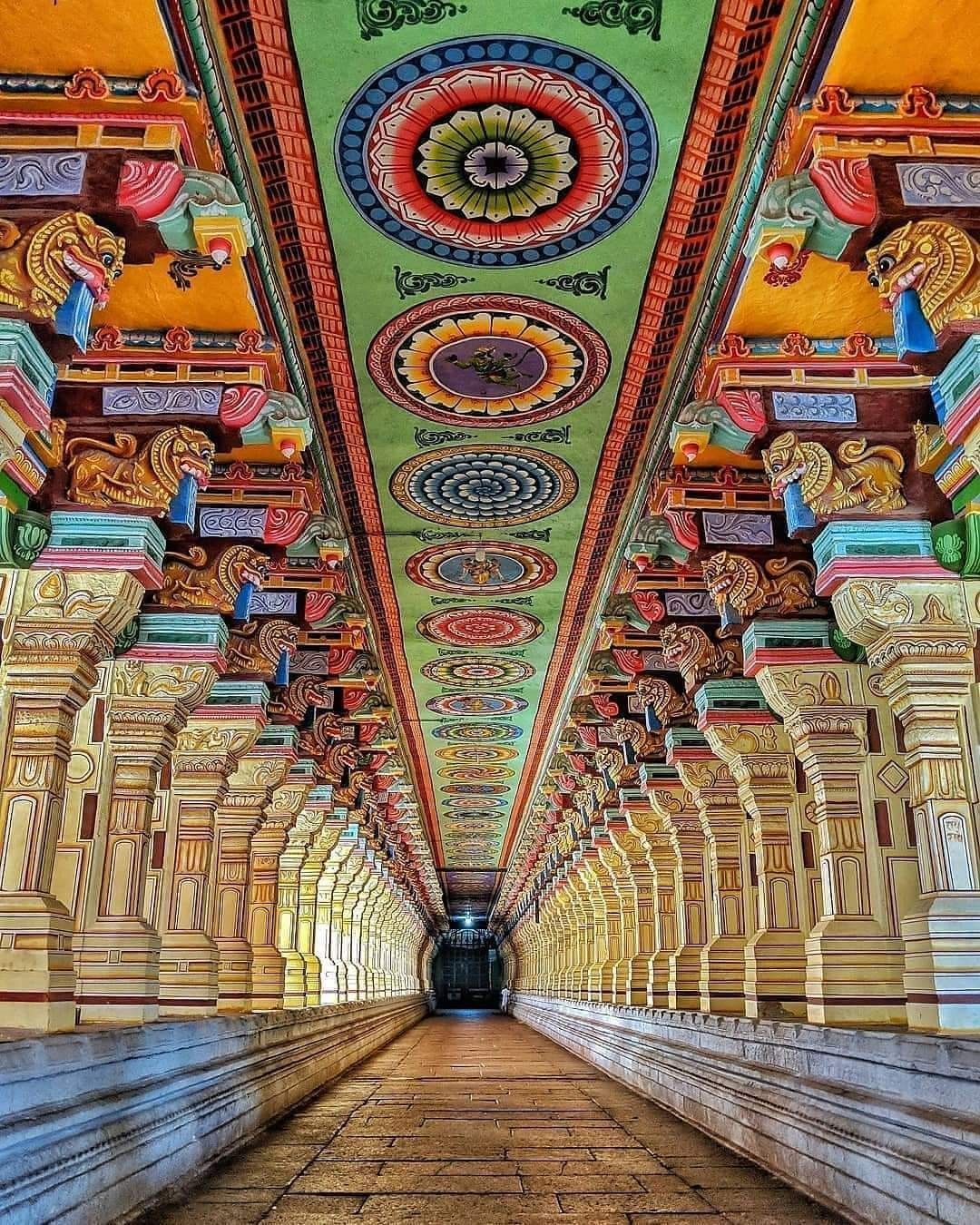
🕉️ 1-Day: Blessing & Sacred Purification
Ideal for travelers short on time, this Yātra focuses on receiving the blessings of Lord Shiva through purification rituals and temple darśana. The day includes early morning sea snāna, followed by the 22 tīrtha snānas within the temple, and darśana of Ramanathaswamy. Even in a single day, pilgrims experience cleansing, devotion, and a sense of inner lightness. This journey offers a powerful reset, aligning body, mind, and spirit through sacred waters and divine grace.
🌅 Early morning sea snāna
💧 22 tīrtha snānas within temple
🛕 Ramanathaswamy darśana
🌿 Purification & sacred renewal
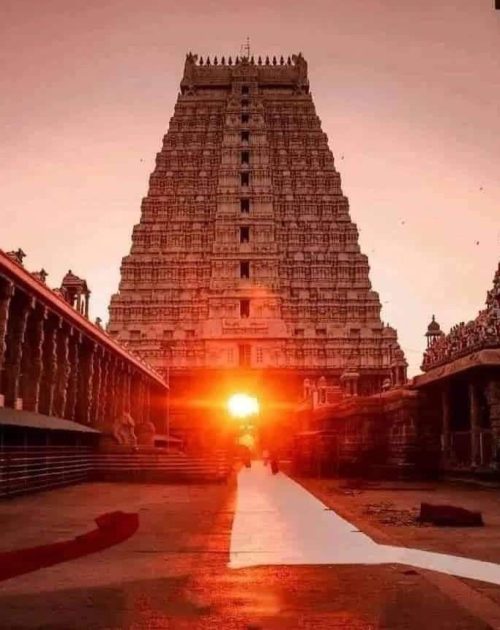
🕉️ 3-Days: Purification & Spiritual Alignment
This Yātra is designed for seekers ready for deeper immersion. Over three days, pilgrims experience gradual purification, reflection, and inner stability through repeated snāna, temple worship, and quiet prayer. The journey may include visits to nearby sacred spots, extended time in temple corridors, and mantra japa. Many pilgrims feel emotional release, clarity, and a deeper connection with the sacred rhythm of Rameswaram, making this an ideal pilgrimage for meaningful alignment.
🌊 Repeated snāna and temple darśana
🕯️ Mantra japa and silent reflection
🔄 Sacred site visits and temple circumambulation
✨ Inner clarity & spiritual alignment
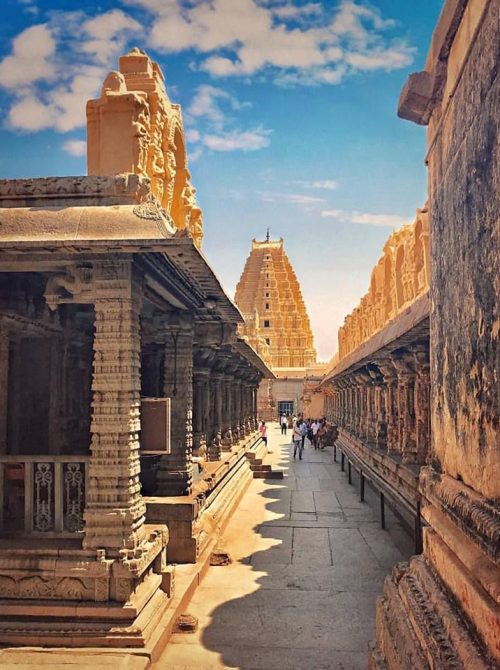
🕉️ 5-Days: Deep Spiritual Immersion
For devoted seekers, this extended Yātra offers profound purification and inner transformation. Pilgrims participate in multiple temple rituals, perform ancestral offerings, revisit tīrthas, and spend time in meditation and reflection near the sea. Over five days, many experience deep emotional cleansing, surrender, and a steady sense of peace. This journey allows the pilgrim to fully absorb the quiet spiritual rhythm and renewing grace of Rameswaram.
🌙 Extended temple rituals and prayer
🕉️ Repeated darśana & meditation
📿 Ancestral rituals and sacred offerings
🌿 Spiritual purification & inner balance
🧳 First-Time Pilgrim Guide to Rameswaram
For first-time pilgrims, Rameswaram feels calming — not overwhelming, but deeply purifying. This is not merely a coastal temple town; it is a living spiritual ecosystem shaped by ritual discipline, sacred bathing, and continuous worship of Lord Shiva. The ideal approach is humility, patience, and sincerity, allowing the sacred rhythm of the sea and temple to guide you rather than rushing through rituals. When approached this way, Rameswaram reveals itself gently, offering cleansing, clarity, and quiet inner balance.
First-timers are advised to:
• Begin with snāna at the sea followed by darśana at the Ramanathaswamy Temple
• Complete the 22 tīrtha snānas within the temple with awareness
• Avoid rushing through all rituals in one visit
• Follow temple and ritual discipline before questioning procedures
Many mistakes arise from treating Rameswaram like a checklist destination. The kṣetra unfolds through patience. Even waiting, repetition of rituals, or physical tiredness are considered part of purification. Rameswaram welcomes beginners not with intensity, but with gentle cleansing.
🕰️ Temple Timings & Crowd Patterns
Understanding temple timings is essential. Early morning hours (sunrise to mid-morning) are ideal for peaceful snāna and darśana. Afternoons are relatively quieter, while weekends and auspicious days bring more pilgrims. Strategic planning helps balance sacred bathing, temple rituals, and quiet reflection. Aligning personal sādhana with these rhythms allows both stillness and devotion to be experienced fully.
🌙 Special Pūjās by Tithi, Nakṣatra & Rāśi
Rameswaram is especially powerful for purification-based rituals aligned with sacred timings. Rituals here follow traditional temple systems that enhance spiritual cleansing.
• Amāvasyā is ideal for Pitṛ karma and ancestral offerings
• Pradoṣa supports Shiva worship and karmic purification
• Mahāśivarātri becomes deeply significant for night-long devotion
Astrologically, Rameswaram is considered beneficial for those seeking relief from past karma, emotional burdens, or life stagnation. Rituals aligned with one’s rāśi and nakṣatra are believed to harmonize inner and outer life through purification.
Importantly, these pūjās follow ancient temple traditions preserved for centuries.
🕉️ Fasting, Vratas & Observances in Rameswaram
Fasting in Rameswaram is not about austerity; it is about cleansing and alignment. Vratas observed here prepare the body and mind for deeper purification. Because Rameswaram is associated with repentance and renewal, even simple observances carry spiritual depth.
Common vratas include:
• Somavāra fast for connection with Lord Shiva
• Pradoṣa vrata for karmic cleansing
• Amāvasyā observances for ancestral peace
• Mahāśivarātri fasting for spiritual purification
Pilgrims are advised to keep fasts simple and sattvic. Even partial fasting combined with snāna and darśana creates inner steadiness.
Many experience emotional lightness, clarity, or a sense of release during vratas in Rameswaram — signs of inner cleansing.
🌙 Evening Rituals & Temple Atmosphere
Evenings in Rameswaram carry a quiet devotional warmth. Temple rituals, chanting, and the rhythmic movement of devotees create a peaceful atmosphere rather than intensity. Many pilgrims find that evening visits deepen gratitude and inner calm, allowing the effects of the day’s purification to settle gently.
👴 Senior Citizens & Group Yātra Guidance
Rameswaram is accessible for elders and group pilgrims when approached with mindful pacing, especially considering the physical aspect of repeated snāna and temple movement.
For elders:
• Opt for fewer tīrtha snānas based on comfort
• Choose early morning temple visits
• Take adequate rest between rituals
Group yātras benefit from shared intention, simple planning, and unhurried movement. When the body is respected, purification flows naturally.
Rameswaram honors those who arrive not to rush rituals, but to experience cleansing with sincerity.
🔥 Prayer & Remedy Guidance (Purification, Ancestral Peace, Inner Balance)
Rameswaram has long been trusted as a kṣetra for karmic cleansing and renewal.
• Past burdens and emotional heaviness are addressed through snāna and Shiva worship
• Ancestral duties are fulfilled through Pitṛ rituals and offerings
• Inner imbalance is eased through repeated darśana and silent prayer
Pilgrims often feel a gentle shift — not dramatic transformation, but steady peace and release.
Rameswaram does not confront; it purifies.
🌺 Women-Specific Rituals & Devī Worship in Rameswaram
Rameswaram holds a deeply meaningful place for Śakti worship, making it spiritually significant for women seekers, mothers, daughters, and nurturers of family dharma. Unlike kṣetras where Devī worship stands separate, Rameswaram integrates feminine divinity within the broader flow of purification and devotion. The presence of Goddess Pārvatī, worshipped alongside Lord Shiva at the sacred Ramanathaswamy Temple, reflects the inseparable unity of strength and compassion, grounding the kṣetra in both grace and balance.
Women-specific rituals in Rameswaram often focus on emotional healing, stability, fertility (of life, creativity, and purpose), and karmic cleansing. Unmarried women seek clarity, self-worth, and alignment along with marriage blessings; married women pray for harmony, resilience, and continuity; mothers offer sankalpa for children’s wellbeing and dharmic growth. Many women visit during transitions — marriage, motherhood, grief, or personal change — finding quiet strength and inner steadiness through sacred rituals and prayer.
Devī worship here is gentle yet deeply stabilizing. The presence of Pārvatī represents balance, patience, and inner strength, complementing the purifying energy of Shiva. The experience is not overwhelming but reassuring — where devotion gradually replaces anxiety, and faith restores emotional grounding. Women often leave with a sense of calm confidence, as if inner turbulence has been softened through grace.
Rameswaram teaches women that devotion is not submission; it is quiet strength rooted in balance, dignity, and the sustaining grace of the Divine Feminine.
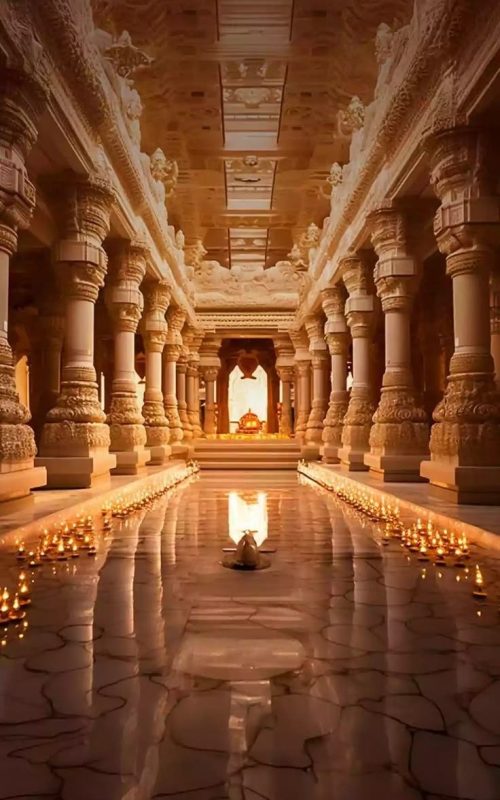
🌳 Family & Ancestral Rituals (Pitṛs & Lineage Healing)
In Sanātana Dharma, an individual is never isolated — they are the living continuation of a lineage. Rameswaram is one of the most sacred kṣetras in Bhārat for ancestral reconciliation and karmic purification. Along the shores of the sacred sea and within the temple tīrthas, rituals performed here are believed to reach the Pitṛ loka through the power of purification and sincere offering. The presence of the Ramanathaswamy Temple makes these prayers especially potent, as devotion here is rooted in repentance, gratitude, and renewal.
Family rituals in Rameswaram go beyond addressing immediate concerns; they seek cleansing and harmony within the lineage. Through pitṛ tarpaṇa, piṇḍa dāna, śrāddha ceremonies, sacred snāna, and sankalpa-based offerings before Lord Shiva, pilgrims acknowledge ancestors, pray for peace of departed souls, and release inherited karmic burdens carried across generations.
Many families experience a sense of quiet settling after these rituals — not sudden change, but steady balance. Emotional heaviness reduces, clarity improves, and relationships begin to feel lighter. Children seem more at ease, elders feel reassured, and family connections grow more harmonious. This gentle shift is understood as the blessing of purification and lineage alignment.
Rameswaram reminds pilgrims that healing forward often begins with cleansing backward — honoring ancestors through humility, prayer, and gratitude for the lives that shaped our present path.
🕉️ Rameswaram: The Sacred Hub of Purification, Dharma & Spiritual Renewal
🔮 Rameswaram & Inner Cleansing (Bhakti-Centered Guidance)
Rameswaram is revered across centuries as a sacred kṣetra of purification and dharmic alignment, where devotion transforms karma through humility and surrender. Pilgrims come here not only for blessings, but for cleansing and renewal. Many combine sacred snāna with darśana at the Ramanathaswamy Temple, along with mantra japa and sankalpa-based prayers aligned to tithis and personal intention. The presence of Lord Shiva as Ramanathaswamy is believed to purify both action and awareness, guiding the soul toward balance and spiritual progress. Thus the kṣetra functions as a living sanctuary where devotion aligns human life with dharma.
🪐 Planetary Relief Through Purification
Rameswaram is traditionally sought by those facing karmic burdens, emotional heaviness, or life stagnation. Rather than focusing only on complex remedies, the path here emphasizes cleansing through sacred bathing, prayer, and surrender. Sea snāna, the 22 tīrtha rituals, and offerings within the temple gradually dissolve inner tension. Devotees often experience emotional lightness, reduced anxiety, and steady clarity — signs of karmic purification through devotion and discipline.
🧭 Life Path Reset & Inner Realignment
Spiritual transformation in Rameswaram is experienced as quiet renewal and grounded clarity. Through repeated rituals, mantra japa, and silent reflection, pilgrims often feel their inner state stabilizing. Personal struggles begin to soften, and direction becomes clearer without force. Remedies performed here address confusion, emotional burden, and imbalance by restoring inner steadiness. The belief is simple yet powerful: when purification deepens, life naturally realigns. Rameswaram works not by confronting destiny, but by cleansing the path that carries it.
🔭 Sacred Discipline & Timeless Traditions
Rameswaram has long stood as a center of disciplined ritual practice and sacred continuity. Temple traditions, tīrtha snānas, and structured worship reflect an ancient system where spiritual life follows order, rhythm, and intention. Daily rituals within the temple align with sacred timing, creating harmony between devotion and cosmic cycles. Pilgrims sense that Rameswaram stands as a bridge between action and purification — a kṣetra where disciplined practice guides life toward peace, balance, and spiritual renewal.