
- 🛕Yatra
- 🕉️Devakshetra
- 🚩Journeys
- 🪔Dharma
- 🌌Kala Veda
- 🌸Awakening
- 🤝Walk With Us




🚗 Travel • 🌄 Scenic • 🏨 Stay
The Yatra begins at Haridwar, the sacred gateway to the Himalayas where the Ganga flows with eternal vibrations of devotion. From here, the drive ascends towards Barkot through Mussoorie, passing lush pine forests, cascading waterfalls, and picturesque viewpoints. On the way, pilgrims witness Mussoorie Lake and the mesmerizing Kempty Falls, which provide a perfect introduction to the spiritual and natural beauty of the Garhwal region. This route, historically traversed by sages and devotees, creates an environment charged with positive energy, preparing travelers for the sacred journey ahead.
Upon reaching Barkot, pilgrims check into the pre-booked hotel. Barkot, located at 1352 m, serves as the ideal acclimatization point before the high-altitude trek to Yamunotri. The serene environment, crisp mountain air, and gentle river sounds help pilgrims relax, meditate, and connect with the divine before the demanding trek begins the next morning.
🔹 Highlights & Points
⛰️ Trek • 🕉️ Darshan • 🔱 Temple • 🌿 Nature
Early morning, pilgrims drive to Janki Chatti, the base for the Yamunotri trek. The 6 km trek ascends through dense pine forests, waterfalls, and flowing streams, offering glimpses of the surrounding Himalayan peaks. For those unable to trek, horses, mules, and doli services are available. Arriving at Yamunotri, pilgrims take a bath in the hot water of Jamunabai Kund, believed to have purifying effects, and offer prayers to Yamuna Maa. The temple, originally built by Maharani Gularia of Jaipur, is a historical marvel and spiritual powerhouse, attracting devotees seeking health, wealth, and spiritual liberation.
Pilgrims also visit Divya Shila, a sacred rock worshipped before entering the temple, and witness the ritual of cooking rice in Surya Kund hot springs, taking it back as divine prasad. After the darshan, pilgrims descend to Janki Chatti and drive back to Barkot for overnight stay, reflecting on the spiritual experience.
🔹 Highlights & Points
🚗 Travel • 🔱 Temple • 🌿 Nature
After breakfast, pilgrims drive to Uttarkashi, visiting Shiv Gufa en route—a small but spiritually significant cave temple. Upon arrival in Uttarkashi, the group visits Kashi Vishwanath Temple, one of the oldest Shiva shrines in Northern India, reconstructed in 1857. The massive iron trident, Akhand Jyoti, and associated shrines, including Ganeshji and Markandeya Rishi, provide a deep connection to Shaiva traditions. The town, similar to Varanasi in spiritual importance, lies on the banks of the Ganga, offering a peaceful setting for meditation and evening aarti.
Later, pilgrims can explore Shakti Temple, located in front of Vishwanath Temple, renowned for its 6-meter trishul, a symbol of divine energy. The remainder of the day is free to rest, acclimatize, and prepare for the next day’s journey to Gangotri. The serene environment, combined with the spiritual ambiance, ensures mental and physical readiness.
🔹 Highlights & Points
🚗 Travel • 🌿 Nature • 🕉️ Darshan • 🔱 Temple
Early morning, after a hearty breakfast, pilgrims drive through the serene Harsil Valley, often called the Mini Switzerland of India. The journey passes through majestic deodar forests, sparkling rivers, and charming apple orchards. Upon reaching Gangotri, the source of the sacred Bhagirathi (Ganga), pilgrims take a holy dip in the river’s icy waters, which are believed to cleanse sins and elevate spiritual energy. The Gangotri Temple, constructed by Gorkha General Amar Singh Thapa in the 18th century, stands on the riverbank, radiating sanctity and devotion. Pilgrims perform pooja, offer flowers, and feel the energy of the Himalayan origin of Ganga.
After Darshan and meditation along the riverbank, pilgrims relax in the serene surroundings and then drive back to Uttarkashi. This day provides both spiritual fulfillment and natural rejuvenation, strengthening pilgrims’ resolve and devotion for the journeys ahead. The valley, with its pristine environment and crisp air, is ideal for reflection and connecting with the divine.
🔹 Highlights & Points
🚗 Travel • 🔱 Temple • 🌄 Views • 🏨 Stay
After breakfast, pilgrims depart for Guptkashi, a town steeped in mythology, known as the “Hidden Kashi.” The drive follows the Mandakini River, offering spectacular views of cascading waters, terraced valleys, and Himalayan peaks. Along the way, travelers can witness the confluence of smaller streams that contribute to the sacred Mandakini. Upon arrival in Guptkashi, the group visits Ardh Narishwar Temple, representing Shiva and Shakti combined. The temple is a unique spiritual site symbolizing divine balance and cosmic energy.
Evening is spent exploring Guptkashi’s peaceful lanes or meditating near the Mandakini. The town serves as an ideal base for the upcoming Kedarnath journey, allowing pilgrims to rest and acclimatize. The evening ambiance, filled with chants and temple bells, creates a meditative atmosphere, enhancing the sense of spiritual purpose as the journey moves towards high-altitude shrines.
🔹 Highlights & Points
⛰️ Trek • 🕉️ Darshan • 🚗 Travel • 🏔️ Himalayan Route
Pilgrims leave early morning for Sonprayag, followed by a Jeep ride to Gaurikund, the base camp for the 16 km Kedarnath trek. The trek ascends through dense forests, gurgling streams, and rugged trails, offering mesmerizing views of snow-clad peaks. Upon arrival at Kedarnath, one of the twelve Jyotirlingas, pilgrims experience profound spiritual energy amidst the Himalayan grandeur. The Kedarnath Temple, surrounded by majestic mountains, is where Lord Shiva revealed himself to the Pandavas, and later, the Panch Kedar legends unfolded.
Evening rituals include Darshan and Pooja, with chants reverberating across the valley. For those unable to trek, helicopter service is available, landing close to the temple. Kedarnath’s altitude and cold weather demand warm clothing and careful acclimatization. Pilgrims are encouraged to meditate near the temple and feel the eternal vibrations of devotion, reinforcing the sanctity of the Chardham Yatra.
🔹 Highlights & Points
🕉️ Morning Darshan • 🚗 Travel • 🏨 Stay
Early morning, pilgrims perform Darshan and pooja at Kedarnath Temple. The morning serenity, amplified by Himalayan peaks and crisp air, creates a deeply meditative experience. After Darshan, pilgrims descend via the same trekking path back to Gaurikund, enjoying the morning light over the Bhairon Ghati and scenic mountain streams. The journey back provides an opportunity to reflect on the divine energy felt at Kedarnath, offering time for prayer, meditation, and quiet contemplation.
Upon reaching Guptkashi, pilgrims check into their hotel. The evening can be spent walking along Mandakini or visiting small local temples. Guptkashi, being at lower altitude, offers relief and rejuvenation after the high-altitude trek. Pilgrims are advised to rest well and maintain warmth during the cold mountain nights.
🔹 Highlights & Points
🚗 Travel • ⛰️ Mountains • 🕉️ Darshan • 🌿 Nature
Pilgrims leave Guptkashi early morning, driving towards Badrinath, passing through breathtaking mountain valleys. Upon arrival, pilgrims take a dip in the Tapt Kund, a natural hot spring believed to purify mind and body. Following this, they perform Darshan of Badrivishal, the deity of Badrinath Temple, and attend evening aarti. The temple, nestled between the Nar and Narayan mountain ranges and guarded by Neelkanth Peak, is one of the four ancient Dhams, radiating divine energy.
Pilgrims are encouraged to explore nearby spiritual landmarks: Mana Village, the last Indian village before Tibet; Vyas Gufa, where Ved Vyas composed Mahabharata; Bhim Pul, a natural rock bridge over Saraswati River; and Charanpaduka, believed to bear footprints of Lord Vishnu. The day blends spiritual Darshan with cultural and natural exploration, deepening connection to Himalayan heritage.
🔹 Highlights & Points
🚗 Travel • 🔱 Temple • 🏨 Stay
Morning drive takes pilgrims to Joshimath, the winter seat of Badrinath Temple. Here, the Narsingh Temple holds deep significance, with the belief that the left arm of the deity indicates the future of the Badrinath region. Pilgrims perform prayers and observe the ancient rituals before continuing the drive to Rudraprayag, one of the five sacred confluences (Panch Prayag) of the Alaknanda River. The town lies at the confluence of Alaknanda and Mandakini, creating a natural site of spiritual energy that has been revered for centuries.
Evening in Rudraprayag allows pilgrims to rest and enjoy views of the confluence. The sacred rivers, combined with Himalayan backdrops, create a serene atmosphere ideal for meditation. Travelers are encouraged to offer prayers at local ghats or temples, reflecting on the journey from Haridwar to the heart of the Himalayas.
🔹 Highlights & Points
🚗 Travel • 🌿 Holy Town • 🔱 Temple
Final day begins with a scenic drive along the Alaknanda and Ganga rivers to Rishikesh, the yoga capital of the world. Pilgrims explore Laxman Jhula and Ram Jhula, iconic suspension bridges symbolizing devotion and heritage. Visiting local temples along the riverbank and attending evening Ganga Aarti provides a fitting conclusion to the Yatra. Rishikesh, nestled amidst forested hills, offers the opportunity to reflect on the spiritual journey, rejuvenate, and absorb the sacred vibrations of the Himalayas.
After spiritual immersion in Rishikesh, the group drives back to Haridwar for drop-off. Pilgrims are encouraged to perform final prayers at the Ganga Ghats, concluding the Chardham pilgrimage with gratitude, peace, and spiritual fulfillment. The journey from plains to high Himalayas and back leaves participants spiritually energized and deeply connected to India’s sacred geography.
🔹 Highlights & Points

A curated list of the most popular travel packages based on different destinations.





Flights, Trains, Buses & Cabs for every journey
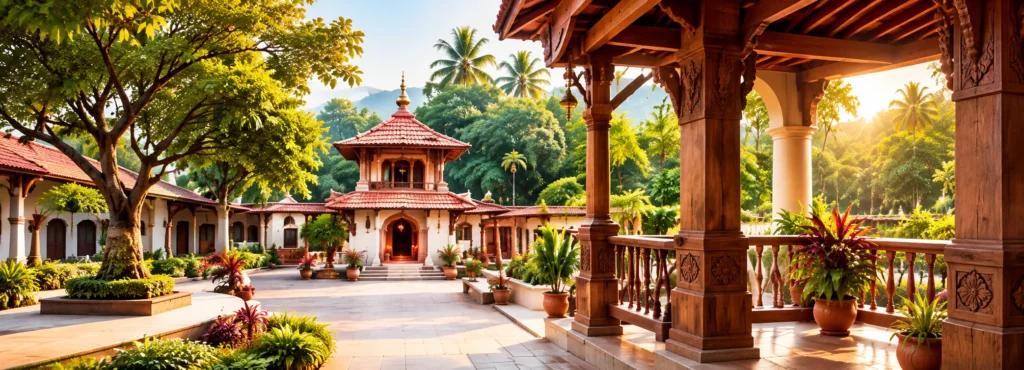

Mutts, Ashrams, Dharmashalas and Verified Accommodations
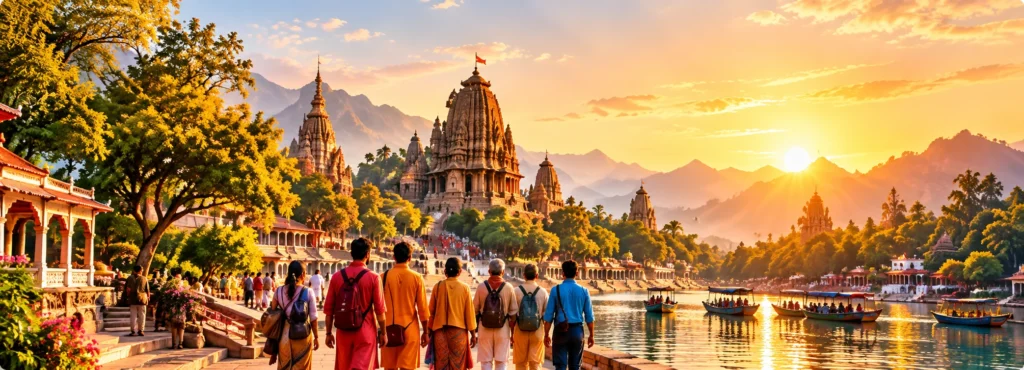

Experienced Guides & Local Experts


For Individuals, Families & Groups
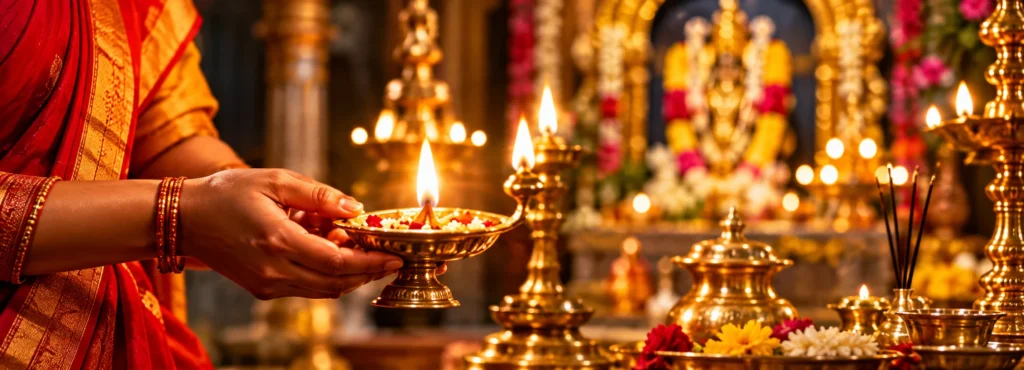

Book Poojas, Homams & Contribute to Seva
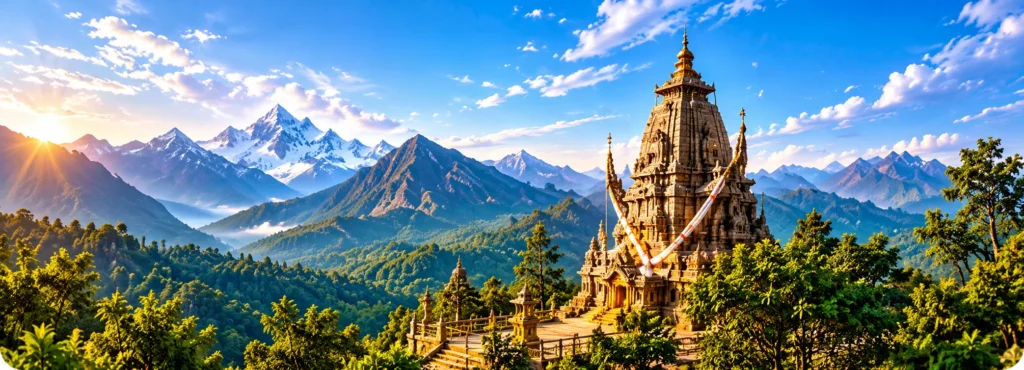

Verified Partners for a Worry-free Journey

Sanathana Yatra Offices 📍 Jillelamudi, Andhra Pradesh📍 Hyderabad, Telangana, India

Sanathana Yatra Offices 📍 Jillelamudi, Andhra Pradesh📍 Hyderabad, Telangana, India