
๐๏ธ Spiritual Essence & Divine Energy
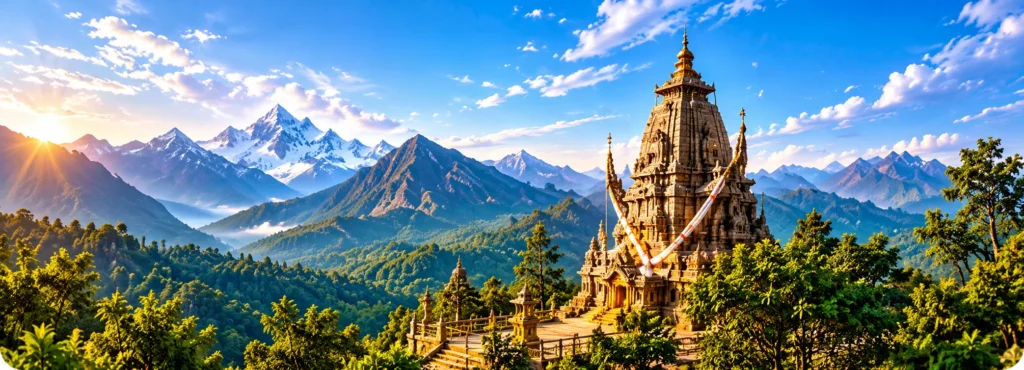
The Shankari Devi Shakti Peetha ๐บ, located at H6MW+335, Trincomalee, Sri Lanka, is one of the most sacred centers of divine feminine energy. Here, Devi Satiโs groin (yoni) fell ๐บ, representing the cosmic womb and the essence of creation. Lord Shiva is worshipped as Trikoneshwara ๐ฑ, guardian of the triangular cliff (Tri-Cona-Malai). Revered in Adi Shankaracharyaโs Stotram ๐, this site radiates immense spiritual energy and attracts pilgrims from across the world.
Spiritual Highlights
- ๐บ Devi Satiโs yoni fell here, symbolizing creative power
- ๐ฑ Shiva as Trikoneshwara protects the sacred triangle
- ๐บ Triangular cliff represents Shakti Yantra
- ๐ง Promotes emotional, physical, and spiritual healing
- ๐ Recognized in Puranas and Agama texts
- ๐ Ocean resonance enhances meditation
Visitors often feel emotional clarity, mental peace, and physical vitality ๐ซ. Pilgrims come seeking blessings for marital harmony, fertility, family healing, and emotional balance โค๏ธ. Surrounded by the turquoise Indian Ocean ๐, the cliff amplifies meditation and reflection, creating an environment where the mind, body, and spirit align naturally.
Travel Essentials & Access
๐ Temple Location: H6MW+335, Trincomalee, Sri Lanka
๐ Country: Sri Lanka
๐บ Deity Worshipped: Mahadevi
๐ Built By: โ (Original builder unknown / not specified)
๐ Built In: 17th century; Rebuilt in 1952
๐๏ธ Architectural Style: Dravidian
Travel Essentials & Access
โ๏ธ Nearest Airport: China Bay Airport (TRR / VCCT)
โฑ๏ธ Temple Timings: 6:00โฏAM โ 6:00โฏPM
๐ Best Time to Visit: MayโJune
๐ค๏ธ Weather: Day 32โ35โฏยฐC, Night 26โ27โฏยฐC, High Humidity
โ๏ธ Airlines: Air India, IndiGo, SpiceJet, Cinnamon Air, SriLankan Airlines (via Colombo)
Cultural Experience & Devotion
๐ Festivals Celebrated: Navaratri, Durga Puja, Lakshmi Puja, Kali Puja, Saraswati Puja, Teej โ These festivals are celebrated with great devotion and attract many pilgrims.
๐งฃ Visitor Guideline: Wear modest clothing โ to maintain the sanctity and cultural respect of the temple.
๐ Visitor Guideline: Maintain silence inside sanctum โ as it supports a peaceful prayer environment.
๐ฑ Visitor Guideline: Respect the environment โ keeping the temple surroundings clean and pure.
๐ฐ Visitor Guideline: Donations welcome โ supporting rituals, temple upkeep, and community services.
๐ช Visitor Guideline: Arrange special poojas with prior coordination โ ensuring proper preparation for personalized rituals.
History & Devotion โ Legends and Preservation
Shankari Devi has a rich spiritual and historical heritage. The original temple once stood atop the cliff ๐๏ธ, radiating divine energy and drawing pilgrims from far and wide. Priests preserved rituals ๐ฏ๏ธ across generations, ensuring sacred practices continued uninterrupted. Between the 16thโ17th centuries, Portuguese invaders destroyed the temple ๐ฅ using cannon fire. Only a single standing pillar ๐ฟ remains as a symbol of resilience, reminding visitors of the templeโs sacred past.
Historical Highlights
๐๏ธ Original cliff-top temple destroyed by foreign invaders
๐ง Priests preserved rituals and sacred knowledge
๐ฑ Shiva worship maintained alongside Devi
๐ฟ Pillar remains as a silent witness to devotion
๐ Idol reinstated in 1952
๐ Pilgrims continue to experience protection, blessings, and miracles
The idol of Devi Shankari was safeguarded and reinstated in the present temple in 1952 ๐ by local Hindu Tamil devotees, preserving both devotion and tradition. Pilgrims continue to experience blessings, protection, and emotional healing through centuries of devotion and faith.

Temple Structure & Architecture
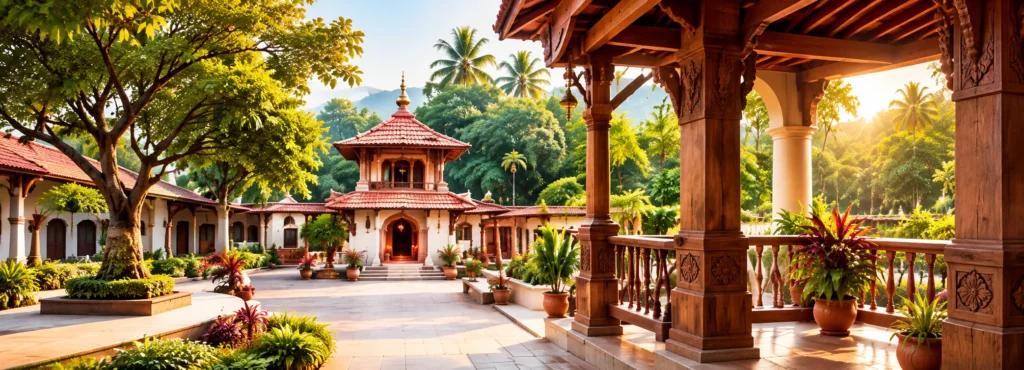
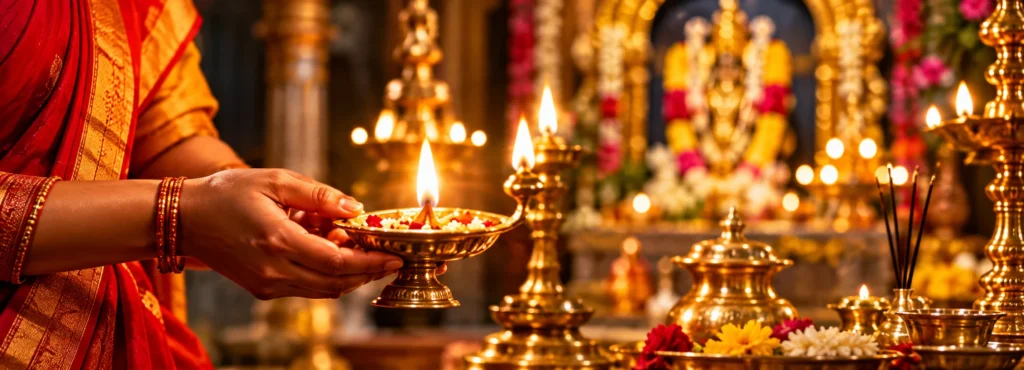
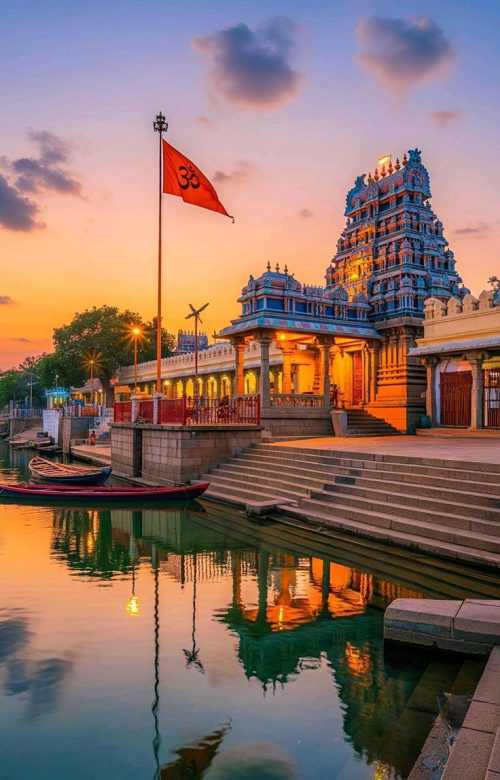
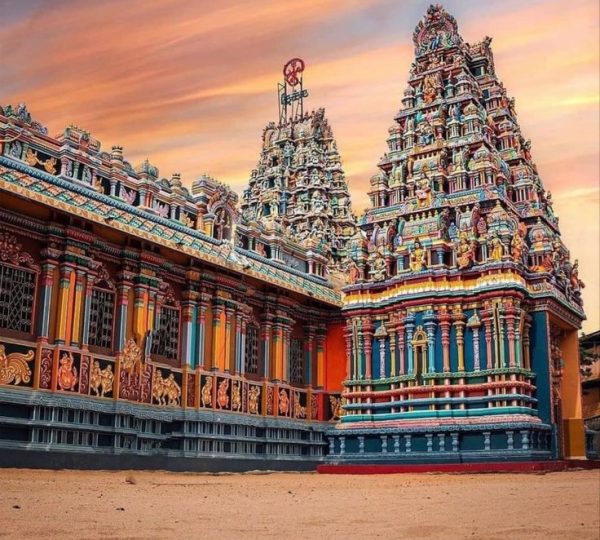
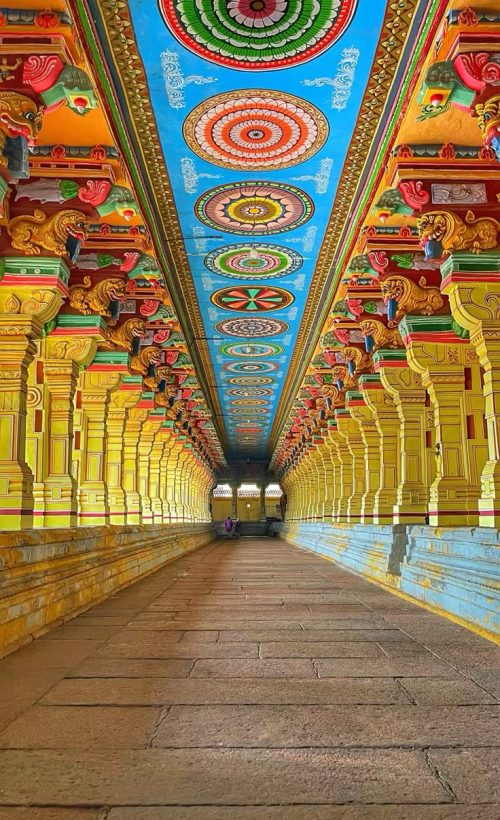
The present temple ๐๏ธ is built in Dravidian style with Tamil aesthetic influences, showcasing intricate craftsmanship and deep devotion. The sanctum houses Mahadevi Shankari, adorned with vibrant flowers, kumkum, and jewels ๐ that create a radiant atmosphere of divinity. Bells ring softly, mantras resonate through the air, and the gentle ocean breeze ๐ enhances a sense of calm and meditation. Daily rituals include Abhishekam, Archana, and Alankaram ๐, performed with care and reverence by priests. Major festivals like Navaratri, Durga Puja, Lakshmi Puja, Kali Puja, Saraswati Puja, and Teej ๐ draw devotees in large numbers, creating an immersive spiritual experience. Visitors are encouraged to dress modestly ๐งฃ and maintain silence inside the sanctum to preserve the sacred environment. The temple is open daily from 6:00 AM โ 6:00 PM โฑ๏ธ, allowing ample time for worship and personal reflection.
Pilgrim Experience & Spiritual Benefits
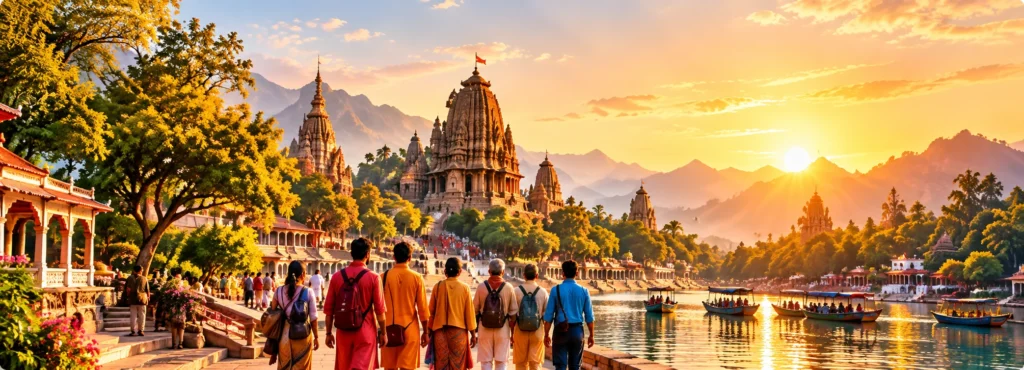
Visitors often describe a powerful surge of spiritual energy โก, heightened by the vibrations of the cliff, the warmth of sunlight, and the refreshing ocean breeze. Couples seek blessings for fertility and marital harmony ๐ถ๐, while families come for ancestral karma resolution and emotional healing ๐ฟ. The atmosphere fosters meditation, mental clarity, and inner balance ๐, helping pilgrims feel renewed in mind, body, and spirit. Amenities such as drinking water, shaded areas, and seating ๐งโโ๏ธ provide comfort, while local Tamil devotees offer guidance and distribute prasadam๐ค, adding warmth and a sense of community to the experience. Many leave the temple feeling protected, uplifted, and spiritually rejuvenated, carrying the blessings of Devi Shankari with them.
Culture, Community & Tourism
The temple acts as a cultural hub ๐ถ, connecting India and Sri Lanka ๐ through shared devotional practices and festivals. During Navaratri, the cliff is illuminated โจ with oil lamps, while hymns like โAmma Shankari Thayeโ ๐ค fill the air with devotion. Environmental respect ๐ฑ is emphasized, with the ocean and cliff considered sacred spaces. Visitors can communicate easily, as Tamil, Sinhala, and English ๐ are commonly spoken. Nearby attractions enrich the pilgrimage experience, including the Koneswaram Shiva Temple ๐๏ธ, Fort Frederick ๐ฐ, and the serene Trincomalee beaches ๐ . Local markets ๐๏ธ offer sacred items and crafts, while coastal vegetarian foods ๐ฝ๏ธ and temple prasadam nourish devotees. Lodging is available within 10โ20 minutes ๐จ, ensuring comfort and safety ๐ก๏ธ, and phones may be used outside the sanctum ๐ฑ, though flash photography is restricted to preserve the sanctity of worship.