Kaveri Nadi — The Sacred Artery of Southern India 🌊🕉️
The Kaveri River is one of Bharat’s most revered peninsular rivers, flowing as a life-giving artery across southern India. Rising in the Western Ghats and moving southeast toward the Bay of Bengal, the Kaveri has shaped agriculture, temple culture, pilgrimage routes, and dynastic capitals for more than two millennia. Along its banks stand ancient kshetras, ghats, temple cities, and learning centers, reflecting a deeply integrated civilization where ecology, devotion, and settlement evolved together.
Formation and Geography 🏔️💧
The Kaveri River originates at Talakaveri in the Brahmagiri hills of the Western Ghats in present-day Karnataka, at an elevation of about 1,341 meters above sea level. The region receives abundant monsoon rainfall, feeding perennial springs that form the sacred source of the river.
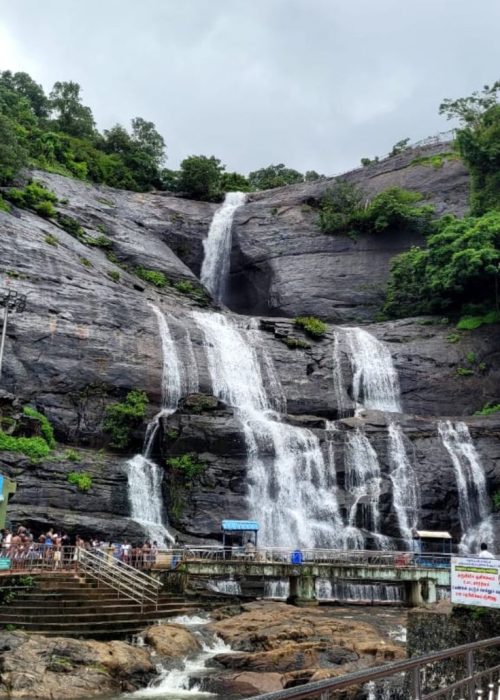
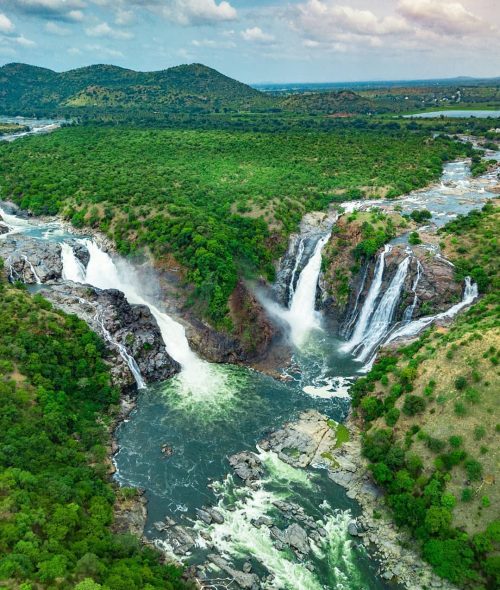
From there, the Kaveri flows approximately 800 km, traversing Karnataka and Tamil Nadu before entering the Bay of Bengal through a vast and fertile delta near Poompuhar. Along its course the river forms waterfalls, gorges, fertile plains, and sacred temple corridors that have supported civilization for centuries.
📊 Geographical Features of Kaveri
| Feature | Detail |
|---|---|
| Source | Talakaveri, Brahmagiri Hills, Western Ghats |
| Elevation at Source | ~1,341 meters |
| Length | ~800 km |
| Major Tributaries | Hemavati, Kabini, Bhavani, Noyyal, Amaravati |
| Basin Area | ~81,000 sq. km |
| Mouth | Bay of Bengal (Kaveri Delta, Tamil Nadu) |
| States Traversed | Karnataka, Tamil Nadu |
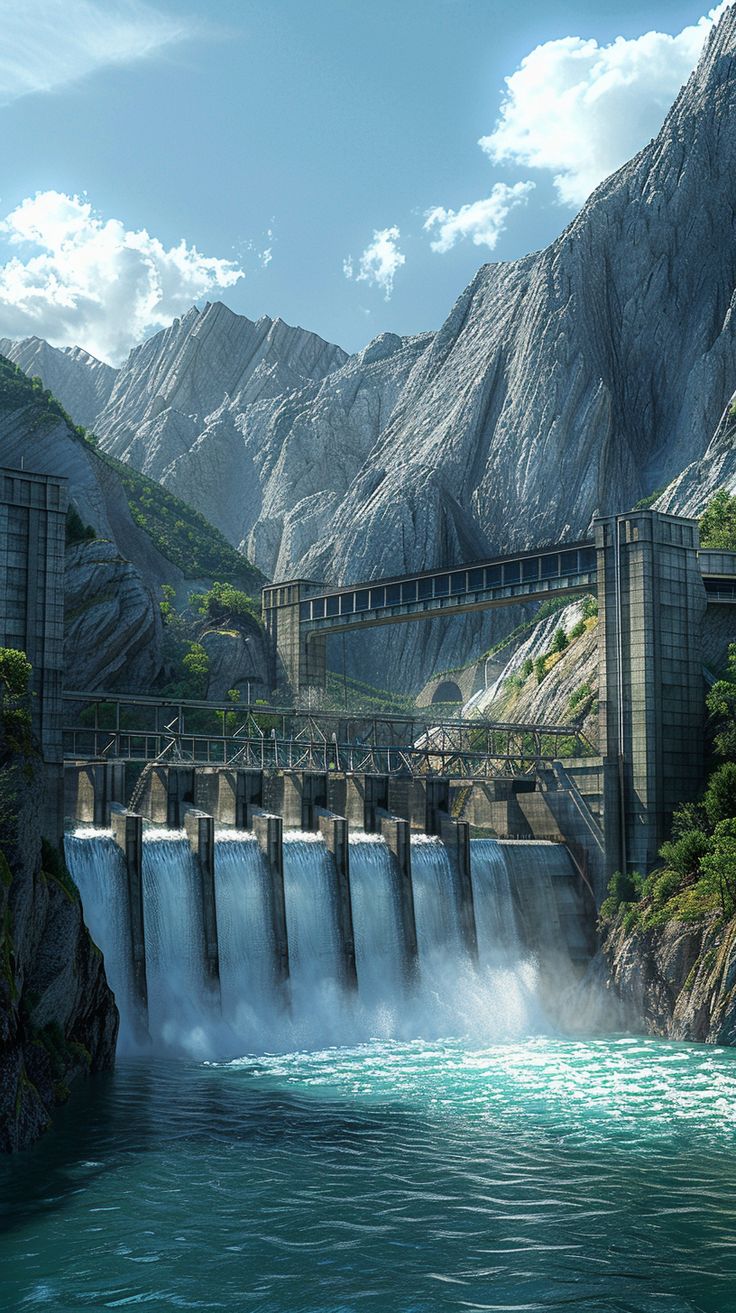
Major tributaries such as the Kabini and Hemavati significantly expand the river’s basin, while southern tributaries like Bhavani and Amaravati enrich agricultural plains in Tamil Nadu. These tributaries create fertile valleys and sacred confluences that nurtured temple cities, agrarian communities, and classical learning traditions.
Geologically, the Kaveri flows across the ancient granitic formations of the southern peninsula, cutting through hills and plateaus before spreading into one of India’s most fertile deltas. This delta later became the agrarian heartland of powerful South Indian dynasties, supporting dense settlements, irrigation systems, and monumental temple architecture.
Historical Significance and Civilizational Role 🏛️📜
The Kaveri River has been central to human settlement, governance, and economic development across southern India for thousands of years. Archaeological and historical evidence indicates early agrarian and Iron Age communities flourished along its basin, practicing canal irrigation, tank systems, and community-managed water networks that transformed the region into one of the most productive landscapes of the peninsula.
Its fertile alluvial plains enabled the cultivation of rice, sugarcane, coconut, banana, pulses, and spices, sustaining dense populations and supporting temple-centered economies and thriving urban settlements.
Major Cities Along the Kaveri
| Ancient Name | Modern Name | Significance |
|---|---|---|
| Talakaveri | Talakaveri | Sacred origin of the river; pilgrimage source |
| Talakad | Talakad | Early capital of the Western Ganga dynasty; temple complexes |
| Srirangapatna | Srirangapatna | Island fortress city; major Vaishnava center |
| Kaveripattinam / Puhar | Poompuhar | Ancient Chola port city and maritime trade hub |
Dynasties including the Gangas, Cholas, Hoysalas, Vijayanagara rulers, and later regional kingdoms depended on the Kaveri for irrigation, inland trade, and political administration. Grand anicuts, canals, temple tanks, and reservoir systems reflected advanced hydrological engineering that sustained agriculture and urban life.
The Kaveri basin fostered major centers of learning, temple universities, and literary traditions in Sanskrit, Tamil, and Kannada. Temple architecture, ritual sciences, music, dance traditions, and classical philosophy flourished along its cultural corridor.
Served as the civilizational backbone of southern India.
Supported dense agrarian settlements and temple-based economies.
Hosted spiritual and educational centers of Sanatana Dharma.
Enabled trade networks connecting inland cities to maritime ports along the eastern coast.
The Kaveri’s journey from the Western Ghats to the Bay of Bengal forms a vast ecological and cultural corridor — linking sacred sources, temple cities, fortified capitals, fertile agricultural plains, and thriving delta civilizations. Across centuries, the river has nurtured a landscape where spirituality, governance, agriculture, and artistic traditions evolved in harmonious continuity
🛕🙏 Sacred Kshetras, Temples, and Pilgrimage Circuits — Kaveri River
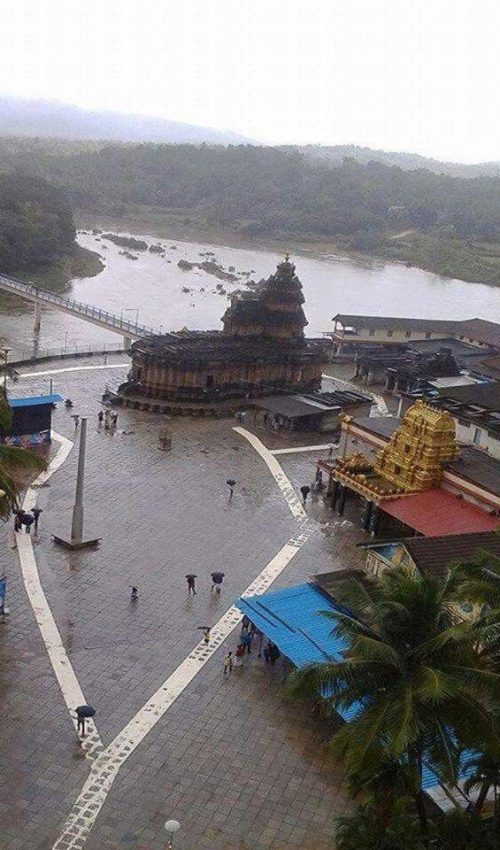
The Kaveri River is dotted with kshetras, tirthas, sangamas, and temple cities that form the backbone of Dakshina Bharata Yatra traditions. From its sacred origin at Talakaveri in the Western Ghats to its vast delta near the Bay of Bengal, the river connects ancient temples, Vaishnava Divya Desams, Shaiva kshetras, mathas, and historic temple towns into a continuous sacred corridor.
Pilgrims historically traverse the Kaveri’s sacred route, visiting Talakaveri, Talakad, Srirangapatna, Tiruchirappalli, Kumbakonam, and Mayiladuthurai. The yatra integrates ritual snana (holy bathing), temple darshan, pradakshina, parayana, meditation, and participation in annual utsavams. Like other sacred rivers, the Kaveri also hosts the celebrated Kaveri Pushkaram, drawing lakhs of devotees every twelve years.
Major Kshetras Along Kaveri 📊
| Kshetra | State | Significance |
|---|---|---|
| Talakaveri | Karnataka | Sacred origin of the river; major pilgrimage site |
| Talakad | Karnataka | Ancient temple town of the Ganga dynasty |
| Srirangapatna | Karnataka | Island temple of Ranganatha; Vaishnava pilgrimage |
| Srirangam | Tamil Nadu | One of the largest functioning temple complexes in the world |
| Kumbakonam | Tamil Nadu | Temple city; center of Mahamaham festival |
| Mayiladuthurai | Tamil Nadu | Historic Shaiva pilgrimage and cultural hub |
Rituals and Pilgrimage Practices
Bathing at sacred ghats and river confluences to purify body and mind.
Visiting mathas, temples, and Vedic learning centers for spiritual instruction and meditation.
Offering prayers in temple complexes aligned along the riverbanks.
Participating in Kaveri Pushkaram and Mahamaham festivals, major river-centered celebrations.
The Kaveri riverbanks host temple clusters, sacred tanks (pushkarini), ghats, and irrigation canals that served both ritual and civic purposes. These water structures reflect Sanatana principles of ecological harmony and integrated settlement planning.
Ancient urban design along the Kaveri aligned temples, bazaars, ghats, and administrative centers parallel to the river’s sacred flow. This linear sacred geography created not only spiritual continuity but also economic, social, and cultural cohesion across southern India.
The Kaveri thus remains not merely a river, but a living pilgrimage pathway — sustaining devotion, civilization, and ecological balance across the southern regions of Bharat. 🕉️💧
Cultural, Architectural, and Educational Centers — Kaveri River 🏛️🎶
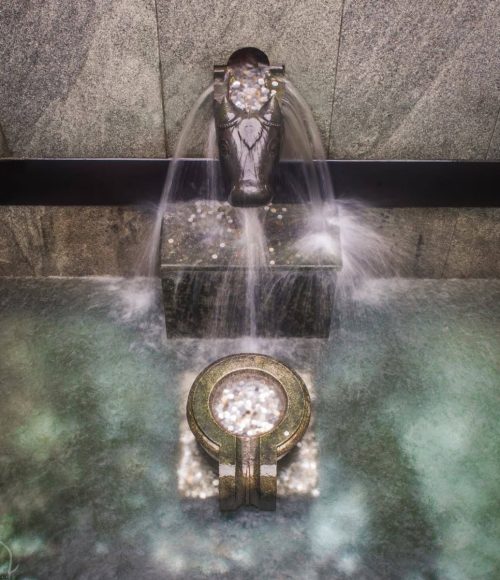
The Kaveri River corridor is one of the richest cultural landscapes of South India, nurturing temples, sacred towns, forts, ghats, mathas, and centers of learning across Karnataka and Tamil Nadu. Cities such as Talakaveri, Srirangapatna, Talakad, Srirangam, Thanjavur, and Kumbakonam developed along its banks, where religion, governance, and scholarship evolved together within a vibrant civilizational framework. The river became the cultural spine of the Chola, Hoysala, and Vijayanagara traditions, shaping temple architecture, sacred geography, and artistic heritage.
Mathas and Acharyas
The Kaveri banks hosted numerous mathas, agraharas, and gurukuls, where acharyas guided spiritual learning, philosophical discourse, and disciplined community life. Pilgrims and students gathered in these centers to study Sanskrit, Vedanta, ritual sciences, temple architecture, classical music, and sacred literature. Through these institutions, the river corridor became a living classroom where knowledge flowed alongside devotion, preserving Sanatana traditions across generations.
Architectural Highlights
Ghats and sacred bathing steps along towns like Srirangam, Talakad, and Kumbakonam served both ritual and civic purposes, linking daily life with sacred water. Temple complexes along the Kaveri were designed with mandapas, prakaras, and water tanks, allowing devotees to integrate purification, worship, and festival participation in one sacred space. The great temples of the Chola period — especially those in Thanjavur and surrounding regions — demonstrate sophisticated engineering, artistic sculpture, and precise alignment with cosmic and riverine geography. Irrigation canals, temple tanks, and step wells along the river reveal advanced hydrological planning that supported both agriculture and urban settlements.
Cultural Integration
Music, poetry, and classical dance flourished along the Kaveri’s sacred towns, particularly under the patronage of the Chola and Vijayanagara dynasties. Temple festivals, river rituals, and large gatherings such as the Kaveri Pushkaram and the Kumbakonam Mahamaham festival brought together pilgrims, scholars, merchants, and artists. These events blended spirituality, education, trade, and cultural exchange, strengthening regional identity while sustaining the broader civilizational network of South India.
The Kaveri cultural corridor thus represents a vibrant Sanatana tapestry where devotion, architecture, education, and art flourished together. Flowing from the Western Ghats to the Bay of Bengal, the river continues to nurture sacred towns, temple traditions, and living heritage, sustaining a timeless relationship between water, knowledge, and civilization.
River Type, Flow, and Hydrological Significance — Kaveri River 🌊💧
The Kaveri River is classified as a perennial, rain-fed peninsular river, originating at Talakaveri in the Western Ghats of Karnataka and flowing southeast across the Deccan and Tamil plains before emptying into the Bay of Bengal. Unlike the glacial rivers of northern India, the Kaveri depends primarily on southwest and northeast monsoon rainfall, supported by a sophisticated network of dams, anicuts, reservoirs, and tributaries that regulate its annual flow. This sustained water system enabled stable agrarian civilizations across Karnataka and Tamil Nadu, making the river one of the most intensively cultivated basins in southern India. Seasonal monsoon flows historically replenished floodplains, while irrigation structures ensured agricultural continuity during dry periods, creating a balanced cycle between rainfall, storage, and cultivation.
The river is supported by numerous tributaries and distributaries that strengthen ecological balance and human settlement across the basin. Major tributaries include the Hemavati, Kabini, Arkavathi, Bhavani, Noyyal, and Amaravati rivers. These tributaries enrich fertile soils, sustain irrigation networks, and form sacred confluences where temples, ghats, and pilgrimage centers developed over centuries. Many historic temple towns and spiritual institutions emerged along these tributary junctions, creating interconnected sacred and cultural landscapes.
Hydrological Characteristics:
Flow Pattern: Strong during southwest and northeast monsoons; regulated by reservoirs and anicuts during dry seasons.
Silt Deposits: Rich alluvial soils support rice, sugarcane, banana, coconut, turmeric, and spice cultivation.
Flood Plains: Facilitate groundwater recharge, delta formation, inland fisheries, and wetland ecosystems.
The hydrology of the Kaveri has long been integrated into Sanatana life and settlement planning. Ancient temple towns and agrarian communities were established with careful attention to seasonal flow patterns, irrigation potential, and flood management. Step wells, canals, temple tanks, and sacred pushkarinis were constructed not only for ritual purification but also for water storage and agricultural support. These systems demonstrate advanced ecological planning that blended spiritual practices with practical water management.
The river sustained continuous human settlement across southern India for millennia.
Hydrological cycles influenced agricultural calendars, temple festivals, and Kaveri Pushkaram traditions.
Perennial tributaries created secondary tirthas, temple clusters, and matha centers, enriching both spiritual and cultural life.
In this sense, the Kaveri is more than a river; it is a living hydrological framework, sustaining civilization, pilgrimage, and ecological balance across southern India. Its seasonal rhythms and engineered water systems became deeply embedded in social organization, agricultural prosperity, and sacred consciousness throughout the history of the region.
Delta, Confluence, and Economic Geography — Kaveri River 🌅🏞️
The Kaveri River culminates in an expansive and fertile delta along the eastern coast of Tamil Nadu, where it empties into the Bay of Bengal. Unlike northern rivers known for singular sacred confluences, the Kaveri’s culmination forms a vast deltaic network of distributaries, canals, wetlands, and coastal settlements. This delta has long been one of southern India’s most agriculturally productive and culturally vibrant regions, sustaining dense populations and flourishing temple-centered communities.
Over centuries, fertile alluvial deposits carried from the Western Ghats and interior plains enriched the lower Kaveri basin. The plains around Tiruchirappalli, Thanjavur, Kumbakonam, and the broader Kaveri delta became among the most fertile landscapes in peninsular India. Rice cultivation especially flourished here, earning the region the reputation of the “Rice Bowl of Tamil Nadu.” Alongside rice, crops such as sugarcane, banana, coconut, betel leaves, and pulses thrived. The integration of natural river flow with carefully engineered irrigation systems transformed the delta into a stable agrarian heartland.
Major confluences within the Kaveri river system — including those with the Kabini, Hemavati, Arkavathi, Bhavani, and Amaravati rivers — historically developed into sacred and strategic centers. These sangamas were not merely hydrological junctions but hubs of temple activity, pilgrimage gatherings, and regional trade networks.
Economic Significance:
Agriculture: Extensive irrigation canals, tanks, and anicuts supported dense agrarian populations and sustained multiple harvest cycles each year.
Trade Routes: The river served as a natural corridor connecting interior Karnataka regions with Tamil coastal ports, facilitating trade in grains, textiles, spices, and temple goods.
Pilgrimage Economy: Festivals such as Kaveri Pushkaram and major temple yatras generated vibrant local economies centered on pilgrimage hospitality, ritual goods, and artisan crafts.
The Kaveri profoundly shaped settlement patterns across southern India. Temple towns and administrative centers were strategically aligned along its riverbanks, integrating ghats, bazaars, irrigation channels, and sacred tanks. Tributary settlements also developed into important commercial and spiritual nodes, connected through ancient trade routes, ferries, and later bridge networks.
Cultural and Historical Impact:
Sacred temple cities such as Srirangam and Kumbakonam became major pilgrimage centers along the river.
The fertile lower plains supported dense networks of temples, mathas, and centers of Vedic learning.
Historic capitals like Thanjavur flourished as administrative, artistic, and cultural hubs supported by the river’s irrigation systems.
In essence, the Kaveri delta and its confluences represent a civilization deeply harmonized with monsoon rhythms and advanced water management traditions. Ecology, agriculture, temple culture, and Sanatana ritual life blended seamlessly along its banks, creating one of the most enduring and culturally rich riverine civilizations in southern India.
Pilgrimage Festivals and Ritual Practices — Kaveri River 📿🕉️
The Kaveri River is a vibrant pilgrimage corridor in southern India, where rituals, festivals, and spiritual traditions have evolved alongside the river’s sacred flow. Pilgrimage along the Kaveri reflects a continuous Sanatana Yatra tradition, blending purification, devotion, temple worship, and spiritual learning. Devotees journey along the river’s path from its origin at Talakaveri in the Western Ghats through sacred cities such as Srirangapatna, Talakad, Srirangam, Kumbakonam, and Mayiladuthurai, visiting temples, ghats, and ancient mathas along the way.
Major Ritual Practices
- Holy Dips: Bathing in the Kaveri during sacred occasions such as Kaveri Pushkaram and at important sangamas like Bhagamandala and Srirangam is believed to purify body and mind while aligning devotees with cosmic rhythm.
- Temple Offerings: Daily rituals at riverbank temples include abhishekam using Kaveri water, chanting of Vedic hymns, pradakshina around temple complexes, and offerings to temples and mathas that preserve traditional worship practices.
- Ash and Cremation Rites: Select ghats along the Kaveri are used for antyeshti (last rites), reflecting the deep Sanatana understanding that the sacred river accompanies the soul’s journey through life, death, and spiritual transition.
Major Festivals
- Kaveri Pushkaram: Celebrated once every 12 years when Jupiter enters Libra (Tula Rashi), this festival attracts thousands of pilgrims who perform holy dips, charity, homas, and temple rituals along the riverbanks.
- Aadi Perukku and Kartika Masam: Seasonal festivals aligned with monsoon and lunar cycles celebrate the river’s life-giving waters. Devotees offer prayers, light lamps along the banks, and express gratitude for agricultural abundance.
- Continuous Pilgrimage Cycles: Beyond major festivals, daily pilgrims, saints, and ascetics sustain uninterrupted spiritual traditions through meditation, scripture recitation, temple visits, and disciplined observance along the river.
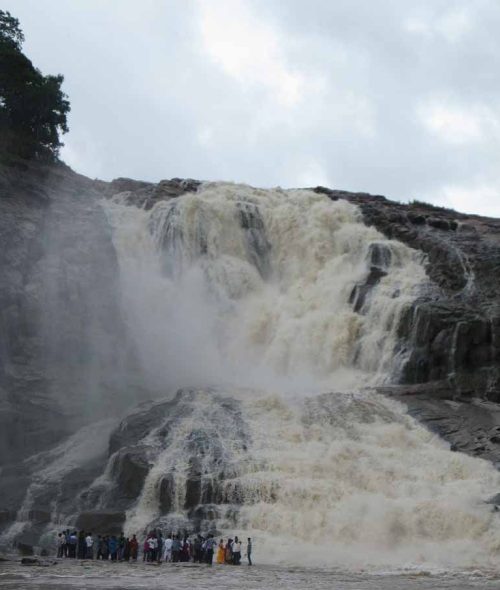
Spiritual Infrastructure
Ghats, kalyani tanks, and stepped riverbanks serve both ritual and community functions, providing pilgrims access to sacred water while supporting gatherings and cultural activities.
Mathas and ashrams along the river offer spiritual instruction and preserve traditions such as Vedic chanting, Agama rituals, philosophy, and classical arts.
Major temple centers like Srirangam, Talakad, and Kumbakonam integrate worship, learning, and cultural life, ensuring that reverence for the Kaveri continues to shape spiritual and civic traditions across southern India.
The river itself becomes an active participant in Sanatana Yatra along the Kaveri. Its seasonal monsoon flow, sacred bathing periods, and temple festival cycles guide the spiritual rhythm of communities along its banks. Pilgrims align their journeys, rituals, and vows with the natural movement of the river. Kaveri’s festivals and sacred observances reflect deep civilizational wisdom. Rituals such as Kaveri Pushkaram, Aadi Perukku, and temple brahmotsavams celebrate the river’s life-giving waters and agricultural abundance. These traditions honor the connection between nature, devotion, and human livelihood. Through these living traditions, the Kaveri harmonizes ecology, spirituality, and culture across southern India. The river sustains temple towns, pilgrimage circuits, and farming communities alike. In this way, Kaveri continues to embody the timeless unity of water, worship, and civilization.
Historical Settlements Along Kaveri 🏛️🌾
The Kaveri River has nurtured some of the earliest and most influential settlements in southern India. From its origin at Talakaveri in the Western Ghats to its fertile delta along the Bay of Bengal, the river has supported centuries of human habitation. Archaeological, literary, and inscriptional evidence points to ancient Sangam-age, early historic, and medieval settlements along its basin, where communities adapted to monsoon-fed river ecology to sustain agriculture, trade, temple culture, and civic life.
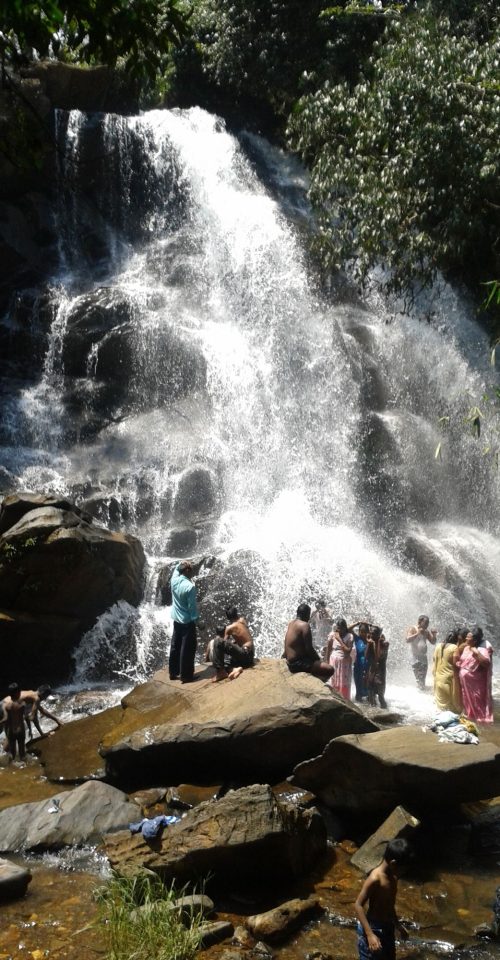
- Karur (Ancient Karuvur): Situated along the upper Kaveri basin, Karur emerged as an early Chera capital and major inland trade center. Archaeological findings reveal Roman coins, craft production, and organized settlement patterns connected with riverine trade and irrigation networks.
- Srirangam: Located on an island formed by the Kaveri and its distributary Kollidam, Srirangam evolved into one of the greatest temple cities of South India. The massive temple complex, concentric streets, and sacred tanks demonstrate the integration of devotion, urban planning, and water management.
- Talakad: Once a flourishing capital of the Western Ganga dynasty, Talakad developed along the Kaveri’s sandy banks with clusters of temples, shrines, and ritual ghats. The settlement reflects the close relationship between royal patronage, temple culture, and river-based settlement patterns.
- Kumbakonam and Thanjavur: Lower basin settlements that flourished due to fertile delta plains and sophisticated irrigation systems. These cities became centers of temple architecture, Chola administration, agriculture, and learning, reinforcing the Kaveri’s enduring civilizational significance.
Settlement Patterns:
Early communities settled near the Kaveri for fertile alluvial soils, dependable monsoon-fed water supply, and natural floodplain agriculture. The river provided both sustenance and protection, encouraging stable rural and urban growth.
Anicuts, canals, temple tanks, and irrigation channels demonstrate advanced water engineering traditions. These systems enabled large-scale rice cultivation while also supporting ritual purification and civic water storage.
Urban layouts incorporated temple complexes, ghats, marketplaces, mathas, and administrative quarters. This spatial organization reflected the seamless integration of spiritual life, governance, agriculture, and commerce.
The Kaveri corridor profoundly shaped social organization, agricultural cycles, temple networks, and trade routes across southern India. Continuous habitation along its banks created interconnected settlements where ritual practice, education, economic activity, and cultural life evolved together. It is no coincidence that major temple festivals, river rituals, and sacred observances align with key Kaveri settlements — linking geography, human habitation, seasonal rhythms, and sacred consciousness into a unified civilizational landscape.
Temples and Spiritual Centers 🛕🙏 — Kaveri River
The Kaveri River banks are lined with temples, mathas, and sacred towns, forming one of the most enduring spiritual landscapes in southern India. Across Karnataka and Tamil Nadu, the river nurtured temple cities, learning centers, and pilgrimage routes where devotion, philosophy, and community life evolved together. Historical inscriptions and temple records indicate that many Kaveri temples functioned not only as worship centers but also as institutions supporting education, irrigation management, arts, and social organization.
Major Spiritual Centers:
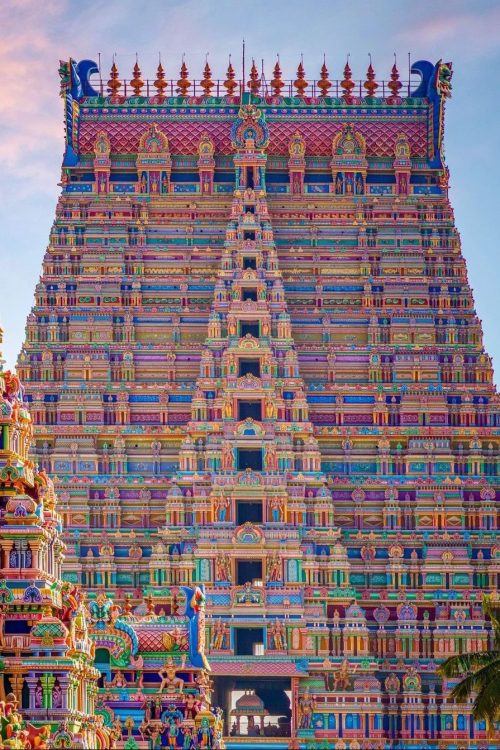
Sri Ranganathaswamy Temple, Srirangam: One of the largest functioning temple complexes in the world, dedicated to Lord Vishnu. Located on an island between the Kaveri and Kollidam rivers, it serves as a major Vaishnava pilgrimage center and a hub of Sri Vaishnava philosophy, ritual traditions, and classical temple architecture.
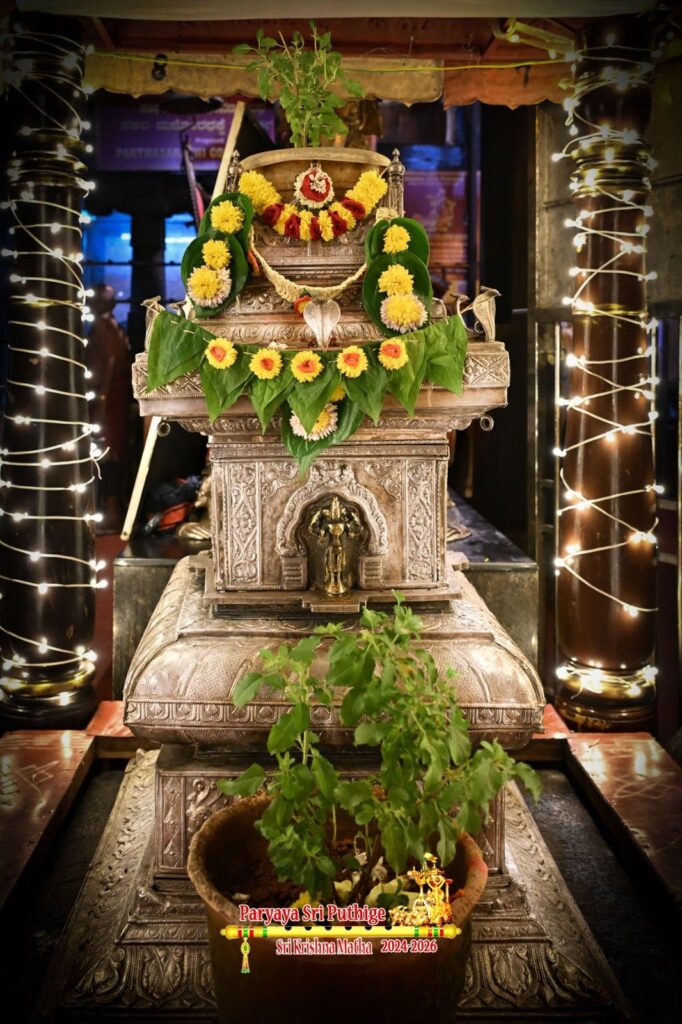
Talakaveri Temple, Kodagu: Situated in the Brahmagiri hills of the Western Ghats, this shrine marks the sacred origin of the Kaveri River. Pilgrims gather here to witness the symbolic emergence of the river and begin their spiritual journey along its sacred course.
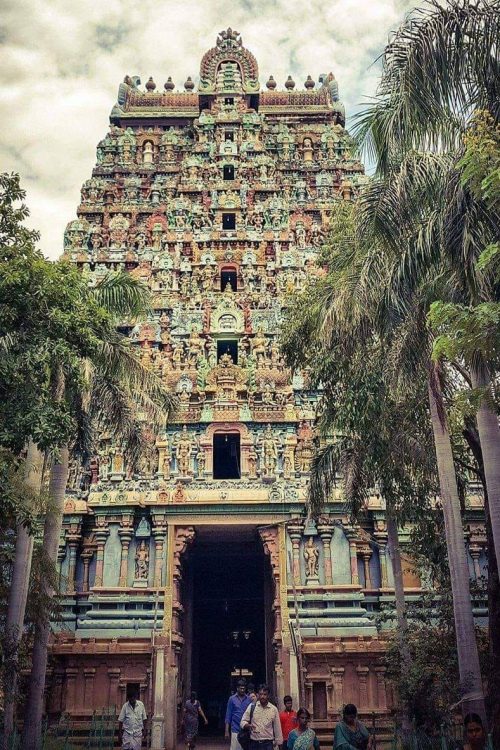
Jambukeswarar Temple, Tiruvanaikaval: A revered Panchabhuta temple representing the element of water (Apas). The temple architecture integrates underground water springs and sacred tanks, reflecting the intimate connection between river ecology and Shaiva worship traditions.
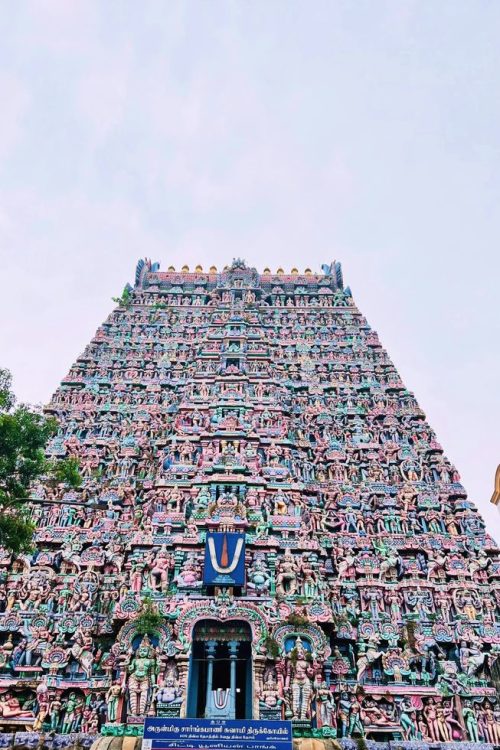
Kumbakonam Temple Cluster: This historic temple town along the lower Kaveri basin hosts numerous ancient shrines including Adi Kumbeswarar and Sarangapani temples. The region forms a dense spiritual network of temples, tanks, and mathas that support festivals, scholarship, and ritual practices.
- Ghats along the Kaveri serve multiple roles, including ritual bathing, festival gatherings, and community interaction. These stepped riverbanks connect temples with the flowing river, allowing pilgrims to perform sacred ablutions and ceremonial offerings.
- Mathas and acharya-led institutions along the river provide Vedic learning, philosophical discourse, music traditions, and meditation guidance. These centers preserve Sanskrit scholarship, Agama rituals, and classical arts that evolved within temple ecosystems.
- Temples along the Kaveri integrate architecture, water management, astronomy, and sacred geometry. Temple tanks, canals, and ritual ghats reflect a sophisticated understanding of river-centered sacred geography and ecological balance.
The Kaveri’s spiritual centers remain deeply interconnected with surrounding settlements, enabling pilgrims to traverse the river as part of a continuous Dakshina Bharata Yatra. Ritual worship, meditation, temple festivals, scriptural learning, and seasonal observances remain woven into daily life across the river basin.
The river is not merely a physical watercourse — it is the sustaining lifeline of spiritual education, temple culture, agrarian prosperity, and communal harmony across southern India, where sacred institutions have preserved civilizational continuity for centuries.

Sacred Ghats and Ritual Architecture 🏞️🕉️ — Kaveri River
Ghats along the Kaveri River are not merely stone steps leading to water — they are living expressions of Sanatana philosophy and temple-centered life. These stepped riverbanks function as sacred spaces where ritual purification, festivals, daily worship, and community interaction unfold naturally. From the river’s upper basin in Kodagu to the temple towns of Srirangam, Talakad, and Kumbakonam, each ghat reflects devotion, ecological wisdom, and civilizational continuity.
Functions of Ghats
- Ritual Purification: Devotees perform snana (holy bathing) in the Kaveri at sunrise during sacred observances such as Kaveri Pushkaralu, Aadi Perukku, and Kartika Masam, aligning body, mind, and spirit with cosmic rhythms and river sanctity.
- Life-Cycle Events: Ghats host important rites including namakarana (naming ceremonies), vratas, marriages, and antyeshti (last rites). These ceremonies reflect how the river participates in every stage of human life, symbolizing purification, transition, and renewal.
- Community Engagement: Riverfront steps often become centers for bhajans, pravachanas, temple festivals, artisan markets, and classical performances. In this way, ghats blend civic life with sacred observance, creating vibrant cultural spaces.
Notable Ghats
| Ghat | Location | Historical / Cultural Role |
|---|---|---|
| Talakaveri Ghats | Kodagu (Karnataka) | Sacred source rituals; pilgrimage origin point |
| Talakad Ghats | Talakad (Karnataka) | Temple town rituals; sacred sand-covered shrine region |
| Srirangam Ghats | Srirangam (Tamil Nadu) | Vaishnava pilgrimage bathing near Sri Ranganathaswamy Temple |
| Kumbakonam Ghats | Kumbakonam (Tamil Nadu) | Ritual bathing, Mahamaham festival gatherings |
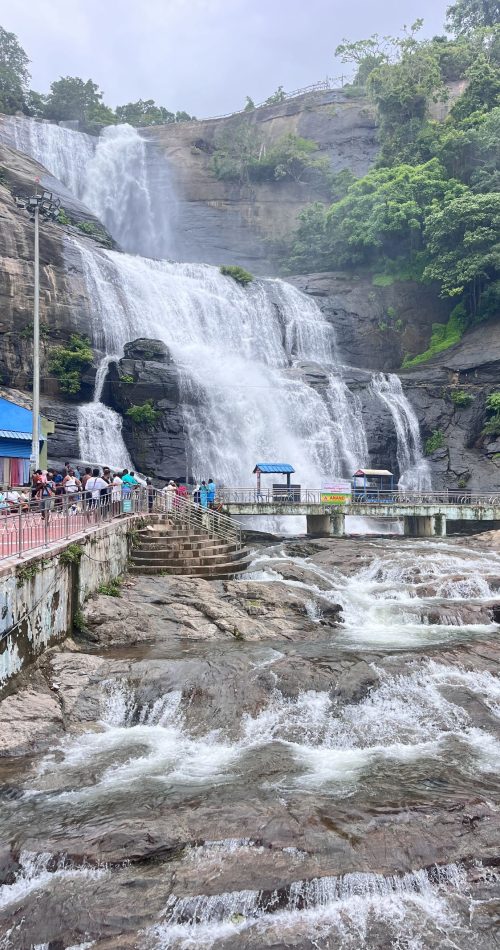
Ghats along the Kaveri are multi-layered in purpose, reflecting the Sanatana understanding of water as a sacred medium connecting birth, life, death, and spiritual renewal. Their architecture aligns with temple layouts, seasonal river flow, and pilgrimage routes, ensuring ritual continuity and ecological harmony. Through these sacred riverfronts, the Kaveri sustains a living dialogue between nature and civilization, where flowing water, carved stone steps, temple bells, and devotional chants together shape the spiritual and cultural life of southern India across generations.
Pilgrimage Networks and Mathas 🛕🌿
The Kaveri River supports vibrant pilgrimage networks that connect sacred kshetras, sangamas, temple towns, mathas, and ashrams across southern India. Devotees move along these interconnected routes to perform ritual bathing, seek spiritual guidance, and participate in traditions that preserve Sanatana learning. From the river’s origin at Talakaveri in the Western Ghats to the temple-rich plains of Tamil Nadu, the Kaveri forms a continuous sacred pathway.
Mathas and Ashrams: Located along riverbanks, temple towns, and tributary sangamas, these institutions function as centers for meditation, Vedic teaching, devotional gatherings, anna-dana (community feeding), and shelter for pilgrims traveling along the river’s sacred routes.
Interconnected Tirthas: Sacred locations such as Talakaveri, Talakad, Srirangam, Kumbakonam, and Mayiladuthurai supplement major temples, forming layered pilgrimage circuits that sustain spiritual continuity across Karnataka and Tamil Nadu.
Pilgrimage Cycles: Yatras often follow the river’s natural course, aligning with seasonal observances such as Kaveri Pushkaralu, Aadi Perukku, Navaratri, and temple Brahmotsavams, integrating ecological rhythms with devotional practice.
The Kaveri’s sacred network sustains uninterrupted Sanatana Yatra traditions, making the river a living spiritual artery rather than merely a geographical feature. Pilgrimage along its banks is not tourism — it is a civilizational rhythm where ecology, devotion, temple culture, and spiritual education merge seamlessly.
Urban Development and Cultural Continuity 🏙️🎨
Cities along the Kaveri River, from Kodagu’s highland settlements to temple-rich centers like Srirangam, Thanjavur, and Kumbakonam, developed organically around the river’s flow. Their evolution demonstrates a harmonious integration of ecology, ritual practice, agrarian planning, and human habitation. Ancient urban layouts incorporated ghats, temple tanks, irrigation canals, mathas, marketplaces, and shrines — reflecting a Sanatana worldview rooted in balance between nature and civilization.
Riverfront planning ensured easy ritual access to sacred water while managing seasonal flooding through embankments, canals, and distributary channels.
Temple complexes and ashrams were woven into city life, functioning as centers of education, cultural activity, social welfare, and devotional practice.
Anicuts, step wells, temple tanks, and irrigation canals supported both agricultural productivity and ritual water usage, reflecting sophisticated water management traditions.
These settlements preserved classical arts, literature, temple rituals, devotional movements, and trade networks for centuries, shaping the cultural landscape of southern India. Temple towns along the Kaveri became centers where music, dance, poetry, and philosophy flourished under the patronage of dynasties, acharyas, and temple institutions. Sacred spaces encouraged the growth of Carnatic music traditions, temple architecture, sculptural arts, and literary works in Sanskrit, Tamil, and Kannada, ensuring the transmission of knowledge across generations.
Closing Reflection — Kaveri as Civilizational Lifeline 🕉️💧
The Kaveri River is not merely a flowing stream of water; it is a living civilizational presence that has sustained agriculture, settlements, temple culture, and spiritual practice across southern India for centuries. Pilgrimage circuits, sacred temples, ghats, and mathas along its course reflect the continuity of Sanatana traditions, where ecology, devotion, governance, and community life remain deeply interconnected.
Its waters nourish fertile plains, sacred temple towns, and historic cultural centers across Karnataka and Tamil Nadu. From the highlands of the Western Ghats to the fertile delta near the Bay of Bengal, the river has guided saints, poets, scholars, and rulers. The Kaveri embodies harmony between monsoon rhythms, irrigation wisdom, sacred geography, and human settlement.
Kaveri supports life in physical, cultural, and spiritual dimensions.
Pilgrimage along the river integrates ritual worship, scriptural learning, and community participation.
Its ghats, temples, anicuts, and mathas reflect centuries of civilizational knowledge, sustaining both agrarian prosperity and spiritual continuity.
As long as the Kaveri flows — from the Brahmagiri hills to the Bay of Bengal — it continues to connect humanity with sacred landscape, seasonal rhythm, and collective memory. The river remains a living teacher, a sustaining lifeline, and a silent witness to the enduring spiritual and cultural heritage of southern India.