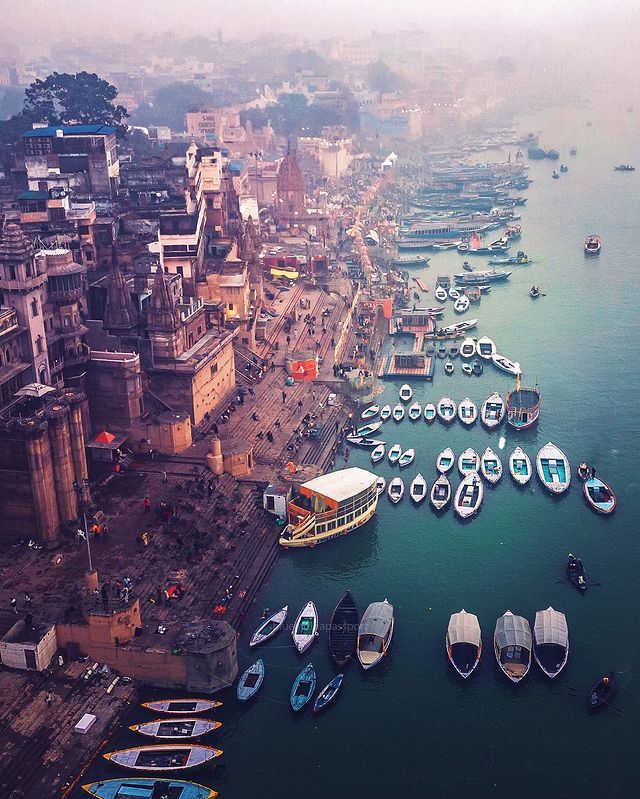
Yamuna Nadi — The Sacred Flow of Northern Civilization 🌊🕉️
The Yamuna River is more than a river; it is a living corridor of history, culture, and spiritual practice. Flowing from the Himalayan glaciers to the Ganga confluence at Prayagraj, Yamuna has nurtured civilizations, supported agriculture, hosted pilgrimage routes, and shaped urban settlements for millennia. Along its course, kshetras, tirthas, temples, and sushis form an unbroken chain of Sanathana Dharma presence, integrating ecology, devotion, and human settlement.
Formation and Geography 🏔️💧
The Yamuna originates from the glacial slopes of Yamunotri in Uttarakhand, at an elevation of 6,387 meters, amidst the lower Himalayan ranges. From here, the river flows approximately 1,376 km through Uttarakhand, Himachal Pradesh, Haryana, Delhi, and Uttar Pradesh, eventually joining the Ganga at Prayagraj. Its course carves through valleys, plains, and urban landscapes, creating fertile floodplains ideal for early settlement.
Major tributaries, including Chambal, Hindon, Ken, Betwa, and smaller streams, contribute to its year-round flow, sustaining agriculture, pilgrimage, and cultural activity. The river’s glacial-fed origin ensures perennial water, while seasonal monsoons enhance fertility along its plains.
Geographical Features of Yamuna 📊
Feature | Detail |
|---|---|
| Source | Yamunotri Glacier, Uttarakhand |
| Elevation at Source | 6,387 meters |
| Length | 1,376 km |
| Major Tributaries | Chambal, Hindon, Ken, Betwa |
| Confluence | Ganga at Prayagraj |
| States Traversed | Uttarakhand, Himachal, Haryana, Delhi, UP |

Yamuna’s topography reflects tectonic and alluvial processes, carving valleys and depositing rich silt across plains. The river also forms wetlands supporting biodiversity, with migratory birds, aquatic flora, and native fish. Historically, settlements such as Indraprastha (Delhi), Matsya-pura (Mathura), and Vrin-davana (Vrindavan) owe their existence to Yamuna’s consistent flow. The river also provided natural defense and trade routes, demonstrating how geography shaped both civilization and sacred pathways along its banks.
Historical Significance and Civilization Along Yamuna 🏛️📜
Yamuna has been central to human settlement, governance, and economic development for thousands of years. Archaeological evidence indicates Neolithic, Chalcolithic, and Iron Age communities thrived along its banks, practicing irrigated agriculture and communal water management. Fertile soils facilitated the cultivation of wheat, barley, sugarcane, pulses, and millet, sustaining large populations and enabling urban growth.
Major cities along Yamuna include:
Ancient Name | Modern Name | Significance |
|---|---|---|
| Indraprastha | Delhi | Strategic and administrative hub |
| Matsya-pura | Mathura | Religious, cultural, and trade center |
| Vrin-davana | Vrindavan | Spiritual, pilgrimage, sushis, ashrams |
| Prayag / Prayagraj | Prayagraj | Confluence with Ganga; major tirtha |
Dynasties from Mauryas, Guptas, Delhi Sultanate, Mughals, to Marathas depended on the river for irrigation, trade, and defense. Early tank systems, step wells, and ghats reflected advanced hydrology, supporting both ritual and practical water use. The Yamuna corridor also fostered learning centers, monasteries, and sushis, where Vedic texts, mathematics, astronomy, and ritual practice flourished.
- Served as civilizational backbone of northern India.
- Supported dense settlements and agriculture.
- Hosted educational and spiritual centers for Sanathana Dharma.
- Provided trade and strategic defense along its course.
Yamuna’s role extends beyond sustenance: it structured urban life, spiritual geography, and ecological balance, forming a continuous corridor connecting Himalayan sources to fertile plains and sacred confluences.
Sacred Kshetras, Temples, and Pilgrimage Circuits 🛕🙏
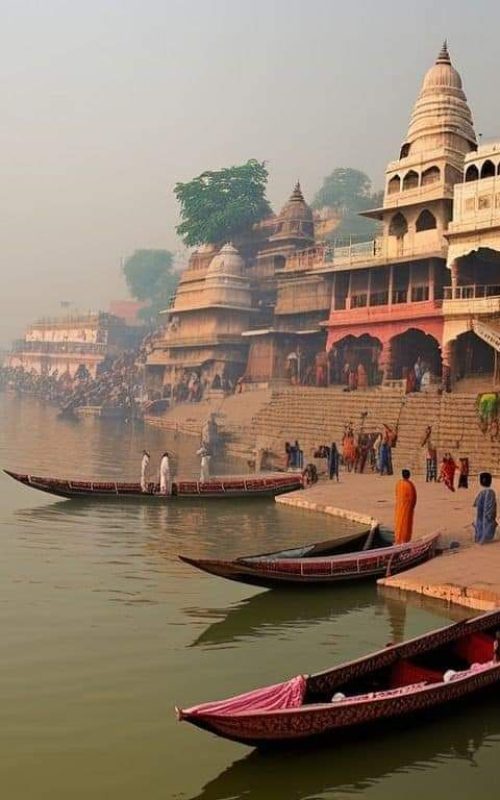
Yamuna is dotted with kshetras, tirthas, and pilgrimage hubs that have formed the backbone of Sanathana Yatra traditions. From its glacial origin to Prayagraj, the river connects temples, muni ashrams, ghats, and sushis, creating a continuous spiritual corridor. Pilgrims historically traversed Yamuna’s length, visiting Yamunotri, Mathura, Vrindavan, Agra, Delhi, and Prayagraj, integrating ritual bathing, temple worship, and meditation.
Major Kshetras Along Yamuna 📊
| Kshetra | State | Significance |
|---|---|---|
| Yamunotri | Uttarakhand | Himalayan origin; pilgrimage source |
| Mathura | Uttar Pradesh | Temple circuits, devotional gatherings |
| Vrindavan | Uttar Pradesh | Bhakti, sushis, ashrams, festivals |
| Agra | Uttar Pradesh | Mughal-era ghats, historical temples |
| Delhi (Indraprastha) | Delhi | Urban spiritual hubs; historical monuments |
| Prayagraj | Uttar Pradesh | Confluence with Ganga; river festivals |
Rituals and Pilgrimage Practices:
- Bathing at sacred ghats to align body and mind with cosmic rhythm.
- Visiting sushis and muni ashrams for guidance, meditation, and study.
- Offering prayers at temples along the banks, integrating spirituality and civic life.
- Participating in festivals like Yamuna Pushkaralu, drawing pilgrims from northern India.
The riverbanks also host temple clusters, step wells, and Pushkarini tanks, which served both ritual purification and water management, reflecting Sanathana principles of ecological and civilizational integration. Ancient city planning around Yamuna incorporated temples, markets, and ghats in continuous linear alignment with the river’s sacred path.
Cultural, Architectural, and Educational Centers 🏛️🎶
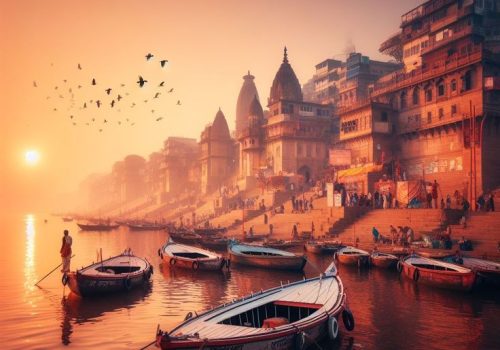
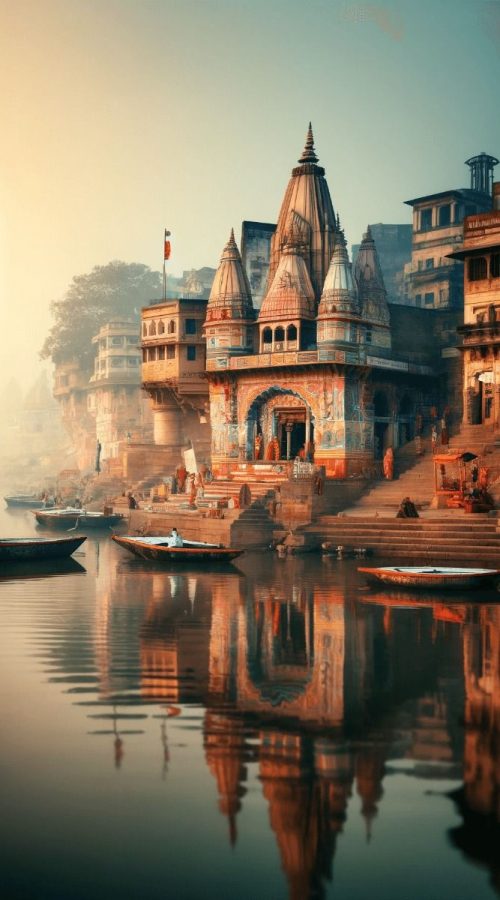
The Yamuna corridor is a hub for culture, architecture, and education, spanning temples, forts, step wells, ghats, and sushis. Cities like Mathura, Vrindavan, Agra, and Delhi developed along its banks, blending religion, governance, and scholarship into a cohesive cultural network.
Sushis and Munis:
The riverbanks were home to sushis and muni ashrams, serving as centers for meditation, Vedic learning, and communal life. Students and pilgrims accessed gurukuls and study circles, learning Sanskrit, ritual, philosophy, and arts, ensuring the transmission of Sanathana knowledge across generations.
Architectural Highlights:
- Ghats and steps in Mathura, Vrindavan, and Agra doubled as urban infrastructure and sacred space.
- Temples along the river were designed to integrate water access, worship, and festivals.
- Step wells, tanks, and dams showcased advanced hydrological knowledge.
Cultural Integration:
- Music, poetry, and dance flourished, particularly in Vrindavan, supporting devotional life.
- Pilgrimage festivals facilitated inter-city cultural exchanges, blending economy, devotion, and education.
- Mughal-era forts and later urban centers like Delhi integrated spiritual, administrative, and trade functions along the river.
The Yamuna corridor thus represents a living Sanathana tapestry, where civilization, devotion, and learning coexisted, producing continuous heritage observable in urban, rural, and pilgrimage landscapes.
River Type, Flow, and Hydrological Significance 🌊💧
Yamuna is classified as a perennial, glacial-fed northern river, originating in the Himalayan glaciers and flowing eastward to join the Ganga at Prayagraj. Its perennial nature ensured that civilizations along its banks did not experience severe water scarcity, even during dry months. Seasonal monsoon surges, combined with glacial melt, historically replenished floodplains, making agriculture both sustainable and predictable.
The river has tributaries and distributaries that further support human settlement and ecological stability. Major tributaries include the Chambal, Hindon, Ken, and Betwa, each contributing nutrients, water, and sediment. These tributaries also became secondary pilgrimage corridors, with smaller temples, ghats, and muni ashrams marking their confluences.
Hydrological Characteristics:
- Flow Pattern: Strong in monsoon, steady in winter due to glacial melt.
- Silt Deposits: Fertile alluvial soil deposited along floodplains encouraged wheat, barley, sugarcane, and millet cultivation.
- Flood Plains: Provided natural drainage, aquifers, and habitats for aquatic species.
Yamuna’s hydrology was historically integrated into Sanathana life. Early urban settlements like Indraprastha (Delhi) and Matsya-pura (Mathura) were planned considering river levels, seasonal flooding, and water availability. Step wells, ghats, and tanks were strategically positioned to ensure ritual purification, irrigation, and water storage, demonstrating advanced ecological planning.
- The river supported human settlement continuity for over 5,000 years.
- Hydrological cycles influenced festivals, agricultural calendars, and pilgrimage routes.
- The presence of perennial tributaries created secondary tirthas and sushis, further enriching spiritual life.
In this sense, Yamuna is not just a river but a living hydrological framework, sustaining civilization, pilgrimage, and ecological balance across northern India. The river’s flow and seasonal rhythms became embedded in human consciousness, integrating spiritual and practical knowledge over centuries.
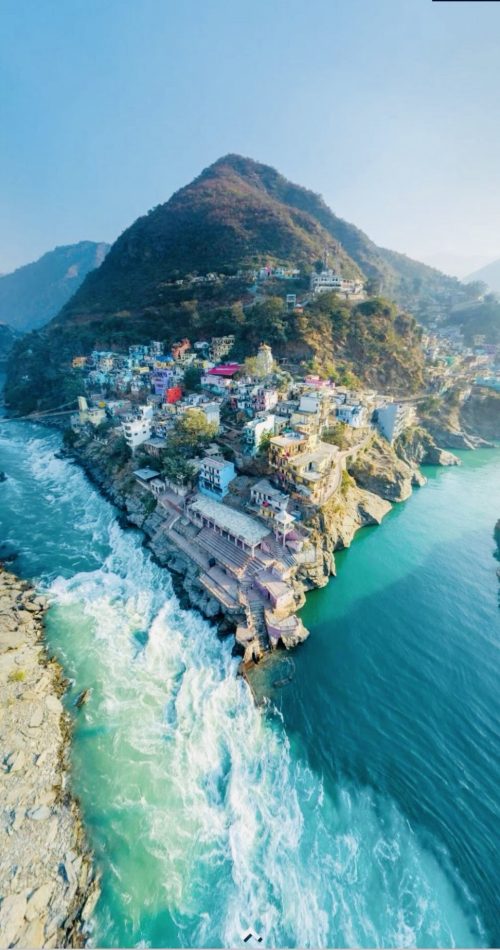
Delta, Confluence, and Economic Geography 🌅🏞️
Yamuna’s journey culminates at Prayagraj, where it merges with the Ganga, forming one of India’s most sacred confluences, historically and culturally significant. This confluence is not just hydrological—it became the pivot around which ancient civilization, trade, and pilgrimage were organized. Fertile floodplains along the lower Yamuna allowed early settlements to flourish, with agriculture forming the economic backbone of the region.
The alluvial plains around Mathura, Agra, and Fatehabad created ideal conditions for multiple crop cycles, producing rice, wheat, sugarcane, and pulses. The fertile soil, combined with river transport, allowed cities to evolve as cultural, administrative, and trade hubs. Riverine ports and ghats facilitated internal commerce and movement, linking northern India with the wider Gangetic plains.
Economic Significance:
- Agriculture: River irrigation sustained dense settlements, feeding urban populations.
- Trade Routes: The river served as a natural corridor connecting Delhi, Agra, and Prayagraj, allowing trade in grains, textiles, and ceremonial items.
- Pilgrimage Economy: Annual influxes of pilgrims to Vrindavan, Mathura, and Prayagraj created markets for temple donations, ritual items, and accommodations.
Yamuna also shaped civilizational settlement patterns. Cities along its banks were deliberately aligned with the river, integrating ritual spaces, ghats, marketplaces, and educational centers. Even smaller settlements, like those surrounding secondary tributaries, became nodes of commerce and spirituality, connected via river pathways, ferries, and later, bridges.
Cultural and Historical Impact:
- Confluence points like Prayagraj became centers for Kumbh Mela, a civilizational festival of enormous scale.
- Lower Yamuna plains supported temple clusters, muni ashrams, and sushis, linking spiritual activity with economic sustenance.
- Riverside cities thrived as centers of administration and art, reflecting the integration of human life with the river’s geography.
In essence, the Yamuna delta and its confluences represent a civilization aligned with water, where ecology, economy, and Sanathana ritual merged seamlessly.
Pilgrimage Festivals and Ritual Practices 📿🕉️
Yamuna is a living pilgrimage corridor, where rituals, festivals, and spiritual practices have evolved alongside the river’s course. Pilgrimage along Yamuna has historically been a continuity of Sanathana Yatra, integrating purification, devotion, and spiritual learning. Pilgrims traverse the river’s banks from Yamunotri to Prayagraj, visiting temples, ghats, and muni ashrams along the way.
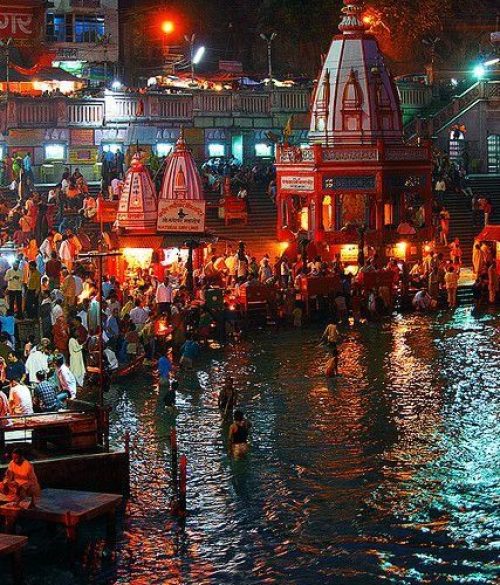
Major Ritual Practices:
- Holy Dips: Bathing in the Yamuna at Yamunotri, Mathura, Vrindavan, and Prayagraj aligns body and mind with cosmic rhythm.
- Temple Offerings: Daily rituals at riverbank temples include water offerings, chanting, and donation to ashrams and sushis.
- Ash and Cremation Rites: Ghats in Vrindavan and Prayagraj are used for cremation and ritual surrender of the body, reflecting integration of life, death, and river ecology.
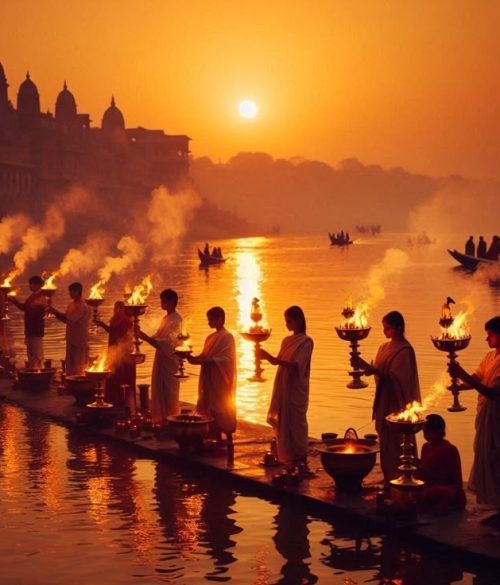
Major Festivals:
- Yamuna Pushkaralu: Celebrated every 12 years, pilgrims perform holy dips and offerings along the river.
- Makar Sankranti and Kartik Purnima: Seasonal festivals aligned with lunar cycles, emphasizing purification, abundance, and devotion.
- Continuous Pilgrimage Cycles: Unlike festivals, daily pilgrims and sushis maintain continuous Sanathana practices, emphasizing learning, meditation, and ritual observance.
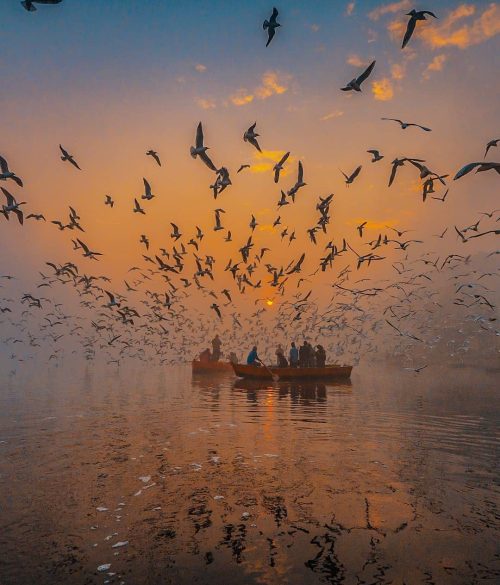
Spiritual Infrastructure:
- Ghats, tanks, and step wells double as ritual and social hubs, supporting pilgrims with water, shelter, and community space.
- Sushis and muni ashrams provide guidance, enabling knowledge transfer, meditation, and Vedic learning.
- Temples like Krishna Janmabhoomi in Mathura and associated shrines along Vrindavan integrate ritual, education, and culture.
The river itself becomes a living participant in Sanathana Yatra, where water flow, seasonal rhythm, and pilgrimage cycles structure both spiritual and civic life. Yamuna’s festivals reflect civilizational intelligence, integrating ecology, devotion, and cultural continuity.
Historical Settlements Along Yamuna 🏛️🌾
The Yamuna has been the cradle of some of the earliest urban and rural settlements in northern India. From its glacial origin at Yamunotri in the Himalayas to its confluence with the Ganga at Prayagraj, every stretch of the river has witnessed centuries of human habitation. Archaeological evidence points to Neolithic and Iron Age settlements along its floodplains, where communities adapted to riverine ecology to sustain agriculture, trade, and ritual life.
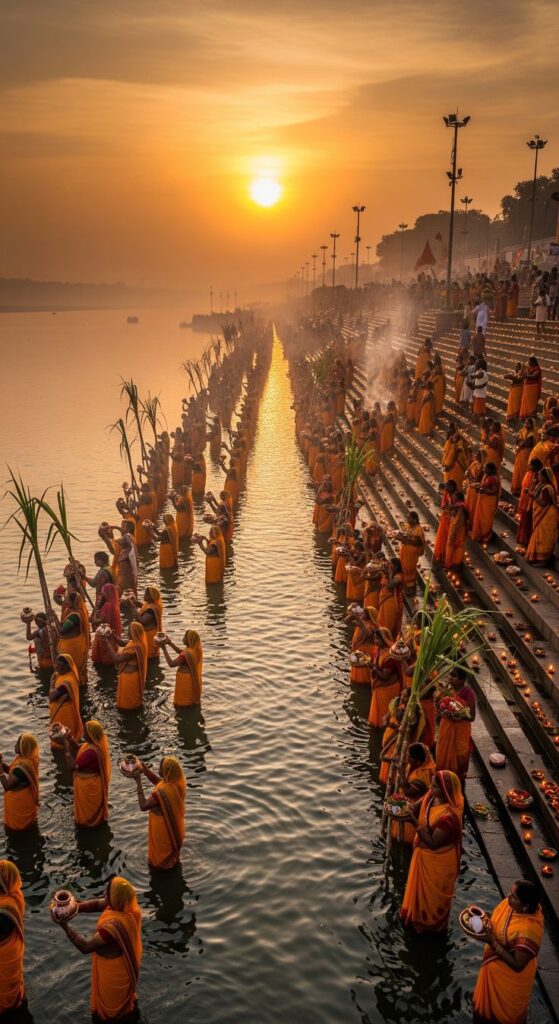
- Indraprastha (Modern Delhi): Strategically located along the Yamuna, Indraprastha became the seat of early urban planning. Archaeological layers reveal fortifications, step wells, and channels integrated into ritual and civic life.
- Mathura (Matsya-pura): A dense settlement on the Yamuna floodplains, it emerged as both a cultural and religious center, with temples and ashrams forming a continuous spiritual corridor.
- Vrindavan: A spiritual hub, hosting sushis, temples, and pilgrims. Its settlement pattern reflects integration of religious practice, habitation, and river ecology.
- Fatehabad and Agra: Later medieval cities developed along riverbanks for trade, agriculture, and defense, highlighting the river’s enduring civilizational role.
Settlement Patterns:
- Early communities chose river proximity for fertile soils, perennial water supply, and natural protection.
- Step wells and tanks demonstrate hydrological engineering, allowing ritual purification, irrigation, and storage of water during dry months.
- Urban layouts incorporated ghats, marketplaces, temples, and muni ashrams, reflecting the interweaving of daily life and spiritual practice.
The Yamuna corridor thus shaped human consciousness, influencing Sanathana practices, agriculture, trade, and governance. The continuous habitation along its banks created a network of settlements where ritual, learning, and survival were harmoniously integrated. It is no coincidence that every major Sanathana festival along Yamuna aligns with specific settlements, linking geography, human habitation, and spiritual rhythm.
Temples and Spiritual Centers 🛕🙏
Yamuna’s banks are lined with temples, ashrams, and sushis, forming an enduring spiritual landscape. Each center serves as a pilgrimage node, a hub for education, and a site for ritual continuity. Historical records suggest that temples along Yamuna were not merely worship centers—they were civilizational anchors, supporting social organization, learning, and trade.
Major Spiritual Centers:
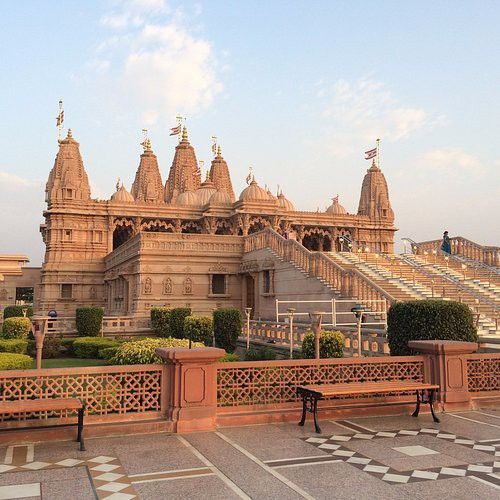
Krishna Janmabhoomi, Mathura: An ancient temple complex, integrating devotional practice with Sanathana learning.
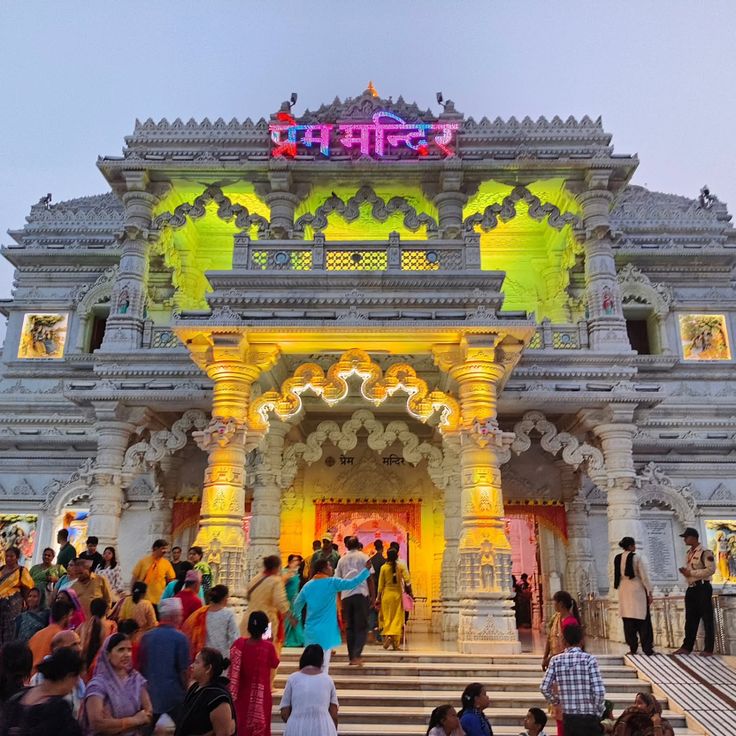
Banke Bihari Temple, Vrindavan: Hosting continuous rituals, festivals, and sushi-guided meditation practices.
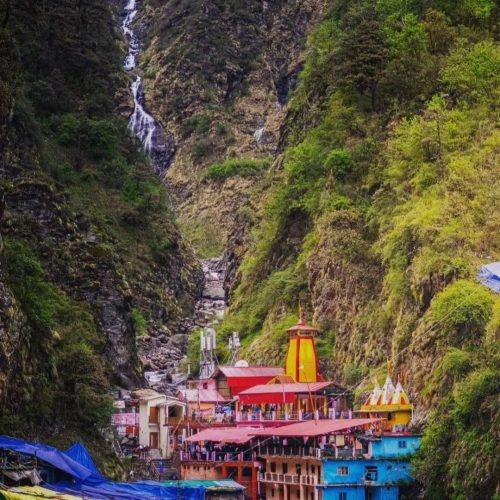
Yamunotri Shrines: At the river’s origin, the shrines symbolize both source of life and spiritual renewal, marking the entry point for pilgrimages.
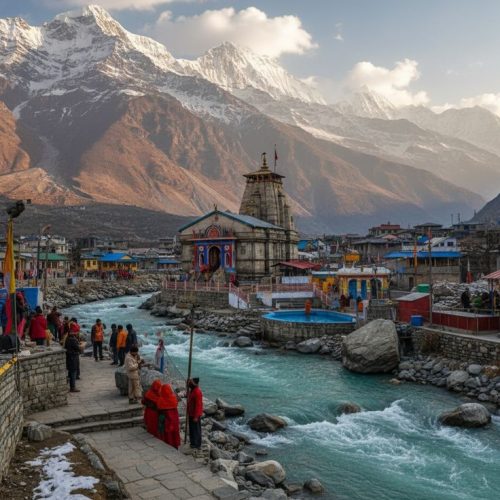
Prayagraj Confluence Ghats: Hosting ritual immersion, daily worship, and Kumbh Mela gatherings, reflecting the civilizational scale of devotion.
- Ghats serve multi-functional roles, including ritual bathing, cremation, festivals, and education.
- Sushis and muni ashrams along the river provide Vedic knowledge, meditation guidance, and community support.
- Temples integrated architecture, water management, and cosmic alignment, reflecting Sanathana understanding of sacred geography.
Yamuna’s spiritual centers are deeply interconnected with settlements, allowing pilgrims to traverse the river as part of a continuous Sanathana Yatra, observing rituals, meditation, and scholarly pursuits. The river is not just water—it is the lifeblood of spiritual education and communal harmony, where temples and ashrams sustain continuity across centuries.
Sacred Ghats and Ritual Architecture 🏞️🕉️
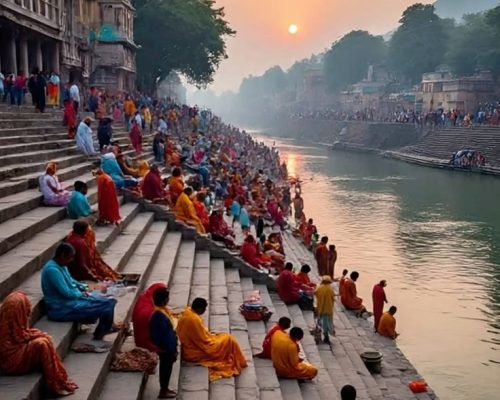
Ghats along Yamuna are not just stone steps into water—they are living instruments of Sanathana philosophy. Ghats serve as ritual theaters, enabling purification, cremation, and daily worship. From Mathura to Prayagraj, each ghat narrates lessons in impermanence, devotion, and community life.
Functions of Ghats:
- Ritual Purification: Pilgrims perform ablutions at dawn, linking body and mind to cosmic rhythm.
- Life-Cycle Events: Ghats host birth rituals, marriages, and cremations, integrating spiritual continuity into daily life.
- Community Engagement: Ghats support marketplaces, learning circles, and cultural performances, blending civilian life with spiritual observance.
Notable Ghats:
| Ghat | Location | Historical/Cultural Role |
|---|---|---|
| Vishram Ghat | Mathura | Daily rituals, festival convergence |
| Kesi Ghat | Vrindavan | Life-cycle rituals, daily worship |
| Sangam Ghats | Prayagraj | Confluence rituals, Kumbh Mela, purification |
| Chaturbhuj Ghat | Fatehabad | Regional pilgrimage, community gatherings |
Ghats are multi-layered in purpose. They reflect Sanathana understanding of water as spiritual medium, connecting life, death, and cosmic cycles. Architecture harmonizes with the river, ensuring ritual, ecology, and community coexistence.
Pilgrimage Networks and Sushis 🛕🌿
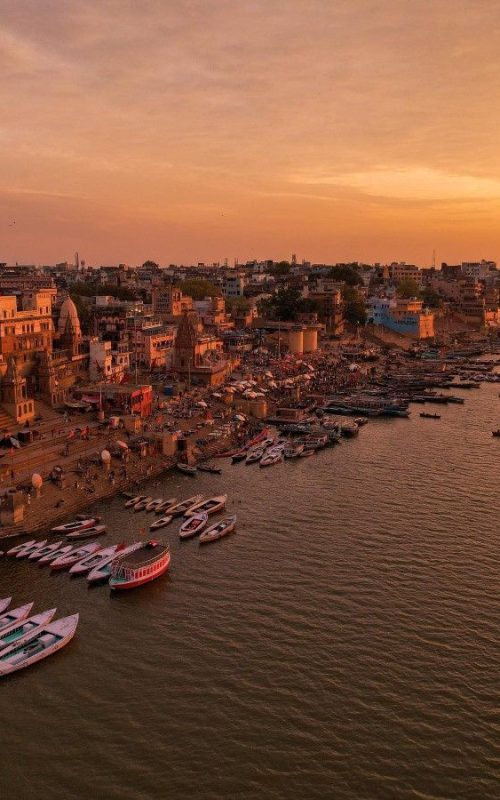
The Yamuna river supports dense pilgrimage networks, integrating secondary tirthas, sushis, and muni ashrams. Pilgrims follow these networks to achieve ritual purification, spiritual guidance, and civilizational learning.
- Sushis and Ashrams: Located along tributaries and ghats, these serve as centers of meditation, teaching, and shelter for travelers.
- Interconnected Tirthas: Smaller pilgrimage points like Braj region tirthas, Kalindi Kund, and Makar Sankranti ghats supplement larger temples, providing spiritual continuity.
- Pilgrimage Cycles: Yatras often follow the river’s natural course, integrating seasonal, ecological, and ritual calendars.
The river’s network facilitates continuous Sanathana practice, making the Yamuna a living spiritual artery rather than a mere geographic feature. Pilgrimage is not tourism—it is a civilizational rhythm, where ecology, devotion, and education converge.
Urban Development and Cultural Continuity 🏙️🎨
Cities along Yamuna, from Indraprastha (Delhi) to Prayagraj, developed organically along the river’s contours. Their growth demonstrates integration of ecology, ritual, and human habitation. Ancient urban layouts incorporated ghats, step wells, sushis, marketplaces, and temples, reflecting a Sanathana worldview of civilizational harmony.
- Riverfront planning for ritual access and flood management.
- Integration of temples and ashrams into city life.
- Step wells and tanks ensuring ritual and practical water management.
These cities preserved culture, learning, and spiritual practice across millennia. Even modern settlements continue to respect river pathways and sacred sites, demonstrating the enduring legacy of Sanathana principles along the Yamuna.
Closing Reflection — Yamuna as Civilizational Lifeline 🕉️💧
The Yamuna is not merely a river; it is a civilizational consciousness, sustaining agriculture, settlements, rituals, and spiritual practice for thousands of years. Pilgrimage, ritual, temple networks, ghats, and sushis along its course exemplify Sanathana continuity, where ecology, devotion, and community are inseparable.
Its waters nurture fertile plains, sacred cities, and spiritual hubs, guiding pilgrims, saints, and scholars alike. The river exemplifies adaptation, sustainability, and spiritual integration, teaching lessons of harmony, impermanence, and collective memory.
- Yamuna supports life in physical, cultural, and spiritual dimensions.
- Pilgrimage along the river integrates ritual, learning, and community.
- Its ghats, temples, and sushis reflect centuries of civilizational wisdom, sustaining both material and spiritual life.
As long as Yamuna flows, connecting humanity with water, spirit, and sacred geography. It remains a living teacher, lifeline, and witness to India’s enduring civilizational memory.