
Godavari River — The Lifeblood of the Deccan 🌊🕉️
The Godavari River, India’s second-longest river, flows majestically across the Deccan Plateau, nurturing civilization, spirituality, agriculture, and culture for thousands of years. Known as the “Dakshina Ganga”, it has shaped settlements, temples, tirthas, and Sanathana Yatra routes in Maharashtra, Telangana, Chhattisgarh, and Andhra Pradesh. Unlike a mere watercourse, the Godavari has been central to civilizational memory, hosting pilgrims, saints, scholars, and communities, sustaining life across generations.
Formation and Geography 🏔️💧
The Godavari originates in the Western Ghats near Trimbakeshwar, Maharashtra, at an elevation of about 1,067 meters. Spanning ~1,465 km, it flows eastward through Maharashtra, Telangana, Chhattisgarh, and Andhra Pradesh, before emptying into the Bay of Bengal at Antarvedi. Major tributaries include Purna, Pravara, Manjira, Sabari, Indravati, and Pranhita, creating an extensive river basin of ~312,000 sq. km.
Type of River: Godavari is a perennial east-flowing peninsular river, with its flow sustained by monsoons, springs of the Western Ghats, and numerous tributaries.
Geologically, the river has been carved by tectonic shifts in the Deccan Plateau, forming valleys, plains, and fertile deltas. Its basin historically enabled dense settlements and agricultural civilizations. Seasonal floodplains enriched the soil, while tributaries allowed irrigation and trade routes to flourish.
- Fertile plains along Godavari supported early farming communities. 🌾
- Tributaries formed natural corridors for settlements. 🏘️
- Western Ghats origins connect ecology to culture. 🌳
The river’s geography has shaped human adaptation, creating civilizations that respected its seasonal flows and wetlands. Towns, temples, and tirthas emerged along its banks, forming the backbone of southern India’s spiritual and economic life.
Historical Significance 🏛️
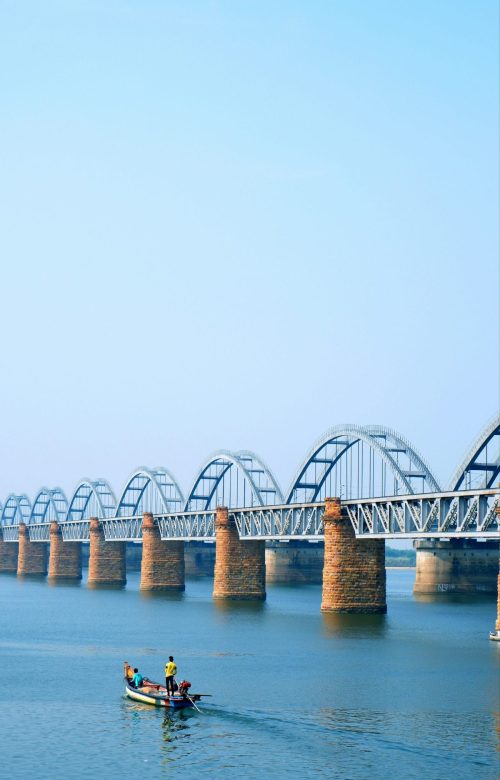
Godavari has witnessed the rise and fall of dynasties, kingdoms, and empires. Archaeological evidence indicates Neolithic and Iron Age settlements along its banks. Ancient cities such as Paithan (Pratishthana), Nanded (Nandavardhana), Nashik (Ancient Trimbak), Rajahmundry (Rajamahendravaram) illustrate continuous human habitation along the river.
Dynastic Connections:
- Satavahanas: River enabled trade and agrarian prosperity.
- Chalukyas and Rashtrakutas: Built temples and towns near Godavari tributaries.
- Vijayanagara Empire: Utilized river basins for irrigation and commerce.
- Marathas: Maintained forts, ghats, and temple networks along riverbanks.
Agricultural Civilization: Godavari’s seasonal floods deposited fertile silt, allowing cultivation of rice, sugarcane, pulses, and millets, supporting high-density populations. Irrigation tanks, step wells, and weirs along tributaries demonstrate advanced water management.
Trade and Pilgrimage: River facilitated commerce between Deccan interiors and eastern ports, enabling cultural exchange and spiritual mobility. Pilgrims traveled from Maharashtra, Telangana, and Andhra Pradesh to sanctified tirthas, turning Godavari into a living civilizational artery.
- Ancient urban settlements flourished on riverbanks. 🏘️
- Temples and monasteries developed in tandem with river-based trade. 🛕
- Irrigation and agriculture sustained dynasties. 🌾
The Godavari is not merely a geographic feature; it is a historical witness, chronicling human adaptation, governance, and devotion over millennia.
Sacred Cities, Kshetras & Tirthas 🛕
Godavari has been central to Sanathana Yatra, supporting sacred cities, tirthas, and pilgrimage routes. Many settlements evolved into spiritual hubs due to river proximity.
| Kshetra / Tirtha | Modern Name | Significance |
|---|---|---|
| Trimbakeshwar | Nashik, Maharashtra | One of the 12 Jyotirlingas, important Shaiva center. 🛕 |
| Paithan | Aurangabad, Maharashtra | Ancient trade and cultural hub; site of Jain and Vedic scholarship. 📚 |
| Nanded | Nanded, Maharashtra | Sikh pilgrimage site; Guru Gobind Singh historic association. ✨ |
| Rajamahendravaram | Rajahmundry, Andhra Pradesh | Ancient city, river festivals, Pushkaralu, and temple clusters. 🌊 |
| Bhadrachalam | Telangana | Renowned Vaishnavite temple of Lord Rama on Godavari bank. 🕉️ |
| Nagarjuna Sagar Vicinity | Telangana/Andhra Pradesh | Ancient Buddhist sites and irrigation forts along tributaries. 🏯 |
These cities are civilizational nodes combining religion, commerce, agriculture, and pilgrimage, sustaining both spiritual and material life along Godavari.
- Kshetras provide pilgrimage and Sanathana Yatra continuity. 🧭
- River-fed urban clusters supported temple complexes and scholarly centers. 📚
- Confluence points became spiritual gathering hubs for tirthas. 🌅
Godavari’s sacred geography enabled integration of Hindu, Jain, and Buddhist practices, making it a central river for Sanathana Yatra.
River Typology & Hydrology 🌊
Godavari is a perennial east-flowing river, with robust seasonal and base flows. Its hydrology sustains agriculture, pilgrimage, and towns across the Deccan.
River Type:
- Peninsular River: Originates in Western Ghats, flows eastward.
- Perennial Flow: Sustained by monsoon-fed tributaries and springs.
- Tributary Network: Purna, Pravara, Indravati, Manjira, and Pranhita.
Hydrological Highlights:
- Floodplains deposited nutrient-rich soil for agriculture. 🌾
- Delta region (Antarvedi/Konaseema) supports fertile farming and fisheries. 🐟
- River enabled construction of step wells, tanks, and dams for irrigation and water storage. 💧
Sanathana Yatra along Godavari integrates ecological understanding with spiritual practice: ritual bathing, temple worship, and seasonal pilgrimages correspond to river flow cycles. The hydrology itself became a living framework for human activity, linking settlements, tirthas, and festivals.
Delta & Confluence Geography 🌅
Godavari forms one of India’s largest deltas, merging into the Bay of Bengal at Antarvedi, with Konaseema as its fertile heart.
Confluence Points:
- Rajamahendravaram: River meets tributaries Pranhita and Indravati; major Pushkaralu festival site. 🕉️
- Antarvedi: Final confluence with Bay of Bengal; pilgrimage and cultural hub. 🌊
Agricultural Importance:
- Delta supports rice paddies, coconut groves, and sugarcane fields. 🌾
- Traditional irrigation enabled centuries of settlement and cultural continuity. 💧
Confluence and delta points are also pilgrimage nodes, forming Sanathana Yatra corridors. Riverfront ghats and temples support large-scale rituals, festivals, and saintly gatherings.
Temples and Spiritual Nodes 🛕
Godavari’s banks are dotted with temples, monasteries, and tirthas, forming a spiritual spine for centuries:
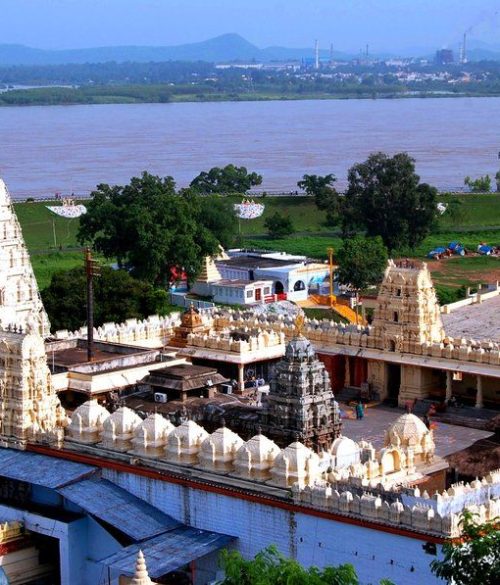
Temples:
- Trimbakeshwar Jyotirlinga: Shiva worship, pilgrimage rituals. 🛕
- Bhadrachalam Rama Temple: Vaishnavite pilgrimage. 🕉️
- Paithan Jagannath & Shani Dev temples: Historical centers for devotion. ✨
- Rajahmundry temples: Riverfront ghats, Pushkaralu rituals. 🌊
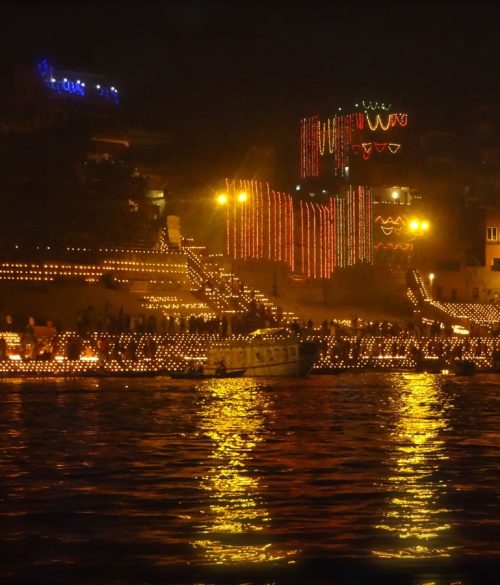
Spiritual Highlights:
- Saints and sages established ashrams along riverbanks. 🧘♂️
- Buddhist monasteries near Pranhita tributary indicate religious diversity. 📿
- River supports daily rituals, annual festivals, and Sanathana Yatra continuity. 🔱
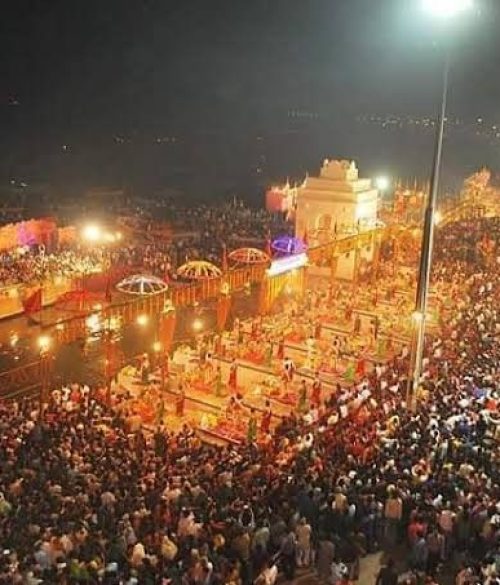
Highlights:
Riverbanks served as centers for learning, meditation, and devotion. 📚
- Pilgrimage paths connected Hindu, Jain, and Buddhist communities. 🌏
- Festivals leveraged river hydrology for ritual purity. 💧
Saints, Sages, and Spiritual Lineages 🧘♂️
Godavari has been a nurturing ground for saints, sages, and spiritual lineages, forming an unbroken continuum of Sanathana Yatra practices across the Deccan. Its banks were home to Vedic scholars, Advaita philosophers, Vaishnavite saints, and yogis, who drew inspiration from the river’s perennial flow, fertile surroundings, and sacred confluences.
The Trimbakeshwar region in Maharashtra, where the Godavari originates, was a center for Shaivaite learning. Saints performed rigorous penance along the river, establishing ashrams that later became hubs for scriptural teaching, mantra recitation, and meditation. Similarly, in the Pranhita and Indravati tributary regions, Buddhist monks built monasteries that facilitated learning, debate, and pilgrimage, connecting spiritual practice with river-based ecology.
Vaishnavite traditions thrived in Bhadrachalam and Rajahmundry, where river ghats hosted devotees and saintly gatherings. Pilgrims traveling the Godavari route interacted with monks, scholars, and temple priests, creating an interconnected network of spiritual knowledge and guidance. These interactions formed the backbone of the river’s Sanathana Yatra tradition, sustaining ritual, devotion, and ethical guidance across generations.
- Riverbanks served as ashrams, meditation spaces, and study centers. 📚
- Saints influenced agricultural, trade, and civic life through moral guidance. 🌾
- Spiritual lineages facilitated Sanathana Yatra continuity along Godavari. 🛕
By sustaining these spiritual communities, Godavari became more than a watercourse—it transformed into a living corridor of learning, devotion, and guidance, shaping civilizational consciousness in the Deccan.
Pilgrimage Routes and Passageways 🧭
The Godavari supports a dense network of pilgrimage routes, connecting tirthas, ghats, and settlements. Pilgrims traversed its banks via ancient trade paths, cart roads, and footpaths, integrating devotional practice with the natural flow of the river.
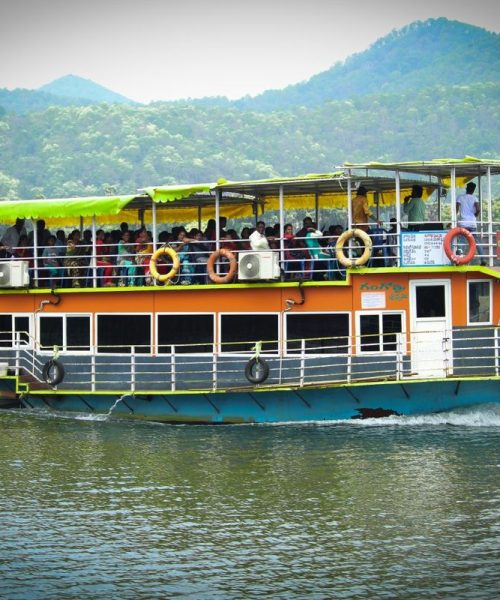
For example, pilgrims moving from Paithan to Trimbakeshwar followed river valleys, stopping at small shrines, step wells, and temple ghats. Similarly, devotees journeying from Bhadrachalam to Rajahmundry engaged in ritual bathing, riverfront worship, and offerings, using the river’s natural course as both a guide and a spiritual metaphor for life’s journey.
The river also created convergence points for Sanathana Yatra. At Rajahmundry, multiple pilgrimage paths meet, forming gathering hubs for festivals and spiritual discourse. Pilgrimage routes doubled as cultural arteries, allowing exchange of ideas, music, ritual practices, and local economies to thrive.
- Pilgrims used river valleys as natural highways connecting sacred sites. 🌄
- Ritual stopping points included temple ghats, step wells, and bathing areas. 💧
- Pilgrimage fostered cultural and spiritual exchange across regions. 🕉️
Thus, Godavari’s passageways were not only physical routes—they were living channels of devotion and cultural memory, guiding both pilgrims and communities in Sanathana Yatra traditions.
Ghats and Ritual Spaces 🔱
Godavari’s ghats are philosophical instruments, carved into riverbanks over centuries to facilitate ritual, meditation, and civic life. Each ghat functions as a living classroom, where devotees witness the impermanence of life, the cycle of ritual, and the flow of continuity.
In Trimbakeshwar, ghats support daily ablutions, festival rites, and Shaivaite worship, reinforcing moral and spiritual discipline. In Rajahmundry and Bhadrachalam, riverfront ghats host Pushkaralu rituals, Vedic recitations, and large-scale devotional gatherings. The design of these ghats integrates aesthetic, functional, and spiritual dimensions, ensuring that every step toward the water is an engagement with consciousness, duty, and devotion.
- Ghats serve as spaces for birth, daily worship, and final rites. 🌅
- They integrate ecology and ritual—river flow, steps, and vegetation coexist harmoniously. 🌿
- Pilgrims learn lessons of impermanence, continuity, and humility through observation. 🙏
Godavari ghats are thus not just physical constructions—they are living, breathing embodiments of Sanathana Yatra philosophy, sustaining the moral, spiritual, and ecological fabric of the region.
Festivals, Cultural Memory, and Pushkaralu 🎉
Godavari’s rhythm defines the cultural calendar of southern India, with festivals, Pushkaralu cycles, and seasonal rituals forming civilizational memory. Pushkaralu occurs once every 12 years, when Jupiter transits through Leo (Simha Rashi), marking a sacred period for river worship, purification, and pilgrimage.
Cities such as Rajahmundry, Bhadrachalam, and Nanded host large-scale gatherings during Pushkaralu. Devotees perform ritual baths, temple worship, and tirtha visits, following traditional Sanathana Yatra pathways. These festivals are also cultural exchanges, where music, dance, and oral traditions flow alongside river currents.
Festivals :
- Pushkaralu strengthens cultural memory and spiritual identity. 🕉️
- Rituals synchronize with river hydrology and seasonal cycles. 🌊
- Pilgrims engage with saints, scholars, and communities, sustaining civilizational continuity. 📚
Through repeated observances, Godavari functions as a living cultural archive, encoding ritual, music, education, and devotion into its waters.
Settlements, Trade, and Civilizational Networks 🏘️
The Godavari River has been the lifeline of civilizations, towns, and trade networks for millennia. Ancient settlements emerged along its banks not merely because of water, but because the river created fertile plains, navigable routes, and sustainable ecosystems, allowing societies to flourish while maintaining harmony with nature.
In Paithan (ancient Pratishthana), one of the earliest urban centers on Godavari, the Satavahana dynasty established trade networks extending across the Deccan and western coasts. Its river proximity facilitated maritime and inland trade, supporting the circulation of grain, textiles, spices, and sacred artifacts. Similarly, Rajahmundry (ancient Rajamahendri) served as a hub connecting eastern trade routes to the Bay of Bengal, enabling cultural and religious exchange, including the growth of Vaishnavite and Shaivaite temples along the river.
Godavari’s course enabled the development of secondary towns and village networks, creating a civilizational latticeacross Maharashtra, Telangana, Andhra Pradesh, and Chhattisgarh. These settlements were intricately linked through ritual calendars, pilgrimage paths, and river festivals, forming living communities centered around Sanathana Dharma practices. Step wells, ghats, and ferry points not only facilitated commerce but also anchored social and spiritual interactions, reinforcing a culture where ecology, economy, and devotion were inseparable.
- Ancient trade cities like Paithan and Rajahmundry depended on river-based logistics and agriculture. 🚢
- River towns hosted markets, temples, and educational centers, sustaining cultural continuity. 🛕
- Pilgrimage and trade coexisted, forming networks of knowledge, devotion, and commerce. 📚
- Settlements respected seasonal flows, flood plains, and tributaries for long-term sustainability. 🌾
By creating a civilizational scaffold, Godavari allowed communities to thrive without disrupting ecological balance, demonstrating early Sanathana intelligence in urban and agricultural planning, while nurturing religious and cultural life along its banks.
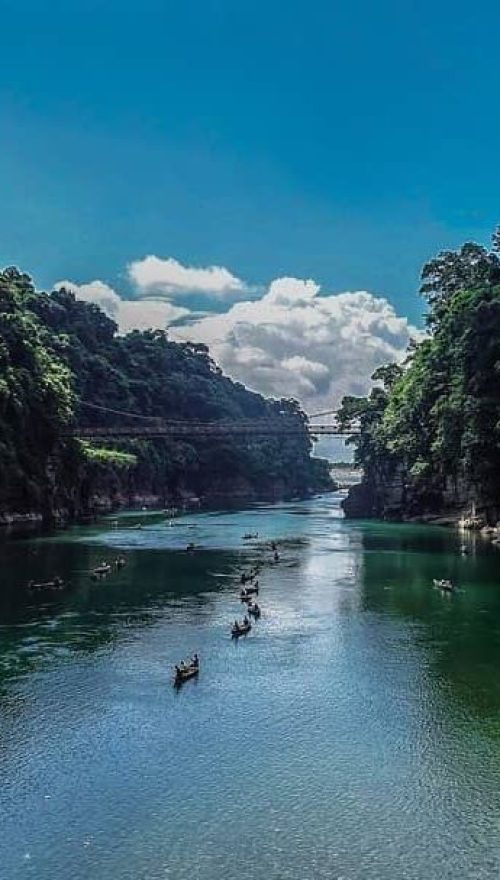
Historical Integration: Temples, Saints, and Sacred Geography 🕉️
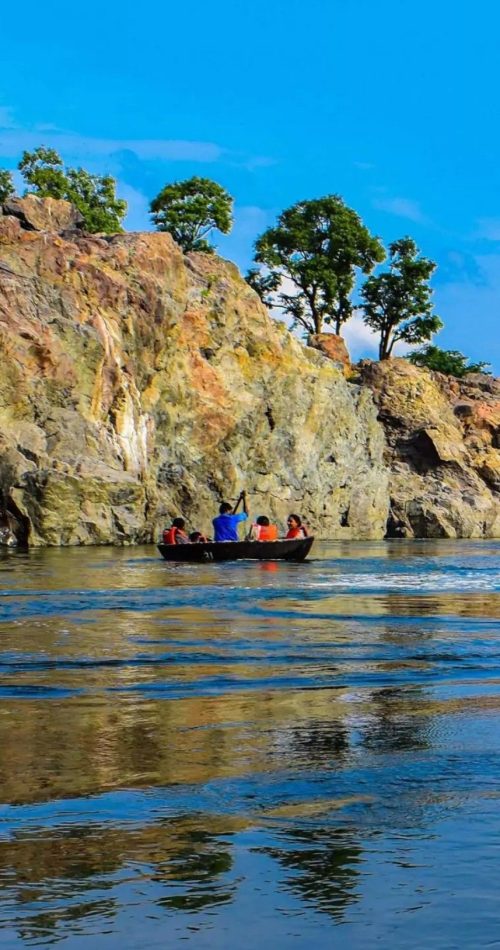
The Godavari River is a spiritual corridor, with temples, saints, and sacred geography forming an integrated civilizational map. Its banks are dotted with ancient tirthas, Vedic schools, and meditation centers, where spiritual practice and community governance converged.
Trimbakeshwar, the river’s origin point, hosts one of the 12 Jyotirlingas, attracting Shaivaite pilgrims across centuries. Saints and scholars performed penance, mantra practice, and philosophical discourse, integrating local communities into larger spiritual networks. Moving downstream, Bhadrachalam became a Vaishnavite hub, with temples, river ghats, and monastic settlements anchoring devotion. Rajahmundry emerged as a center for literature, music, and ritual performance, where the Godavari’s flow inspired classical poetry, Bhakti compositions, and temple architecturereflecting Sanathana aesthetic principles.
The river also formed a network of tirthas and confluences, each with historical significance. Confluences with tributaries like Pranhita, Indravati, and Manjira were considered ritual points for spiritual purification, learning, and communal gathering. These sites were intentionally chosen for their hydrological and ecological features, ensuring that sacred practice aligned with natural systems.
- Temples aligned with river flow, solar and lunar cycles, and community access. 🌞🌙
- Saints used riverbanks for study, meditation, and propagation of dharma, creating intellectual continuity. 📚
- Tirthas facilitated ritual cycles, festivals, and pilgrimage networks, reinforcing Sanathana Yatra principles. 🛕
- Sacred geography ensured ecological awareness, flood respect, and long-term settlement sustainability. 🌿
Godavari’s banks, temples, and saintly lineages demonstrate that spiritual practice and civic life were inseparable, allowing the river to serve as a living guide for both worldly and devotional endeavors.
Modern Relevance, Cultural Continuity, and Closing Reflection 🌊
Even today, Godavari remains a civilizational backbone. Modern cities like Rajahmundry, Nanded, and Nasikcontinue to celebrate Pushkaralu, river festivals, and Sanathana rituals, linking contemporary practice with ancient tradition. Tourist sites, ghats, and pilgrimage centers maintain the architecture, rituals, and devotional rhythmsobserved by earlier communities, keeping the river’s cultural memory alive.
Beyond devotion, Godavari sustains agriculture, ecology, and livelihoods, reminding us that rivers are not only sacred but also vital for societal continuity. Step wells, irrigation tanks, and ghats preserve traditional knowledge of water management while accommodating modern infrastructure. Pilgrims still travel the river corridor, engaging with temples, saints, and festival cycles, preserving the spiritual, cultural, and environmental ethos of the river.
- River festivals connect modern populations with ancient cycles and spiritual rhythms. 🎉
- Ecological consciousness persists in temple management, ghat maintenance, and floodplain preservation. 🌿
- Sanathana Yatra principles guide community cohesion, moral education, and ritual life. 🕉️
- Godavari continues to serve as a bridge between history, devotion, and modern cultural identity. 📜
In closing, Godavari is not just a river—it is a living continuum of Sanathana Dharma, shaping civilization, devotion, agriculture, and culture. Its waters carry the memory of saints, pilgrims, and communities, teaching continuity, respect, and alignment with both natural and spiritual law. As long as Godavari flows, it reminds humanity of the inseparable bond between water, culture, and consciousness, offering a path of sustenance, devotion, and enduring wisdom.