
Ganga — Not a River, But a Living Reality
To speak of Ganga merely as a river is to misunderstand her entirely.
A river, in ordinary language, is a physical phenomenon—water flowing from a source to a destination, shaped by gravity and geography. Ganga transcends this definition. In the Indian worldview, she is not contained by nature; she contains nature within her. She is not a feature of the land—she is the reason the land became sacred.
For thousands of years, the Indian mind has approached Ganga not as an external entity but as a living reality, a conscious presence that listens, responds, remembers, and blesses. People do not say, “I went to the Ganga.” They say, “I went to Mother.”
This distinction matters.
Because when a civilization calls a river “Mother” for millennia—across languages, kingdoms, castes, philosophies, and revolutions—it reveals something profound about how that civilization understands existence itself.
Ganga is not worshipped because she is powerful.
She is worshipped because she gives without condition.
She flows through the daily life of farmers and kings alike. She accepts the ashes of the dead and the prayers of the living with equal silence. She has watched humanity at its noblest and at its most broken—and she has never turned away.
That is why Ganga is eternal.
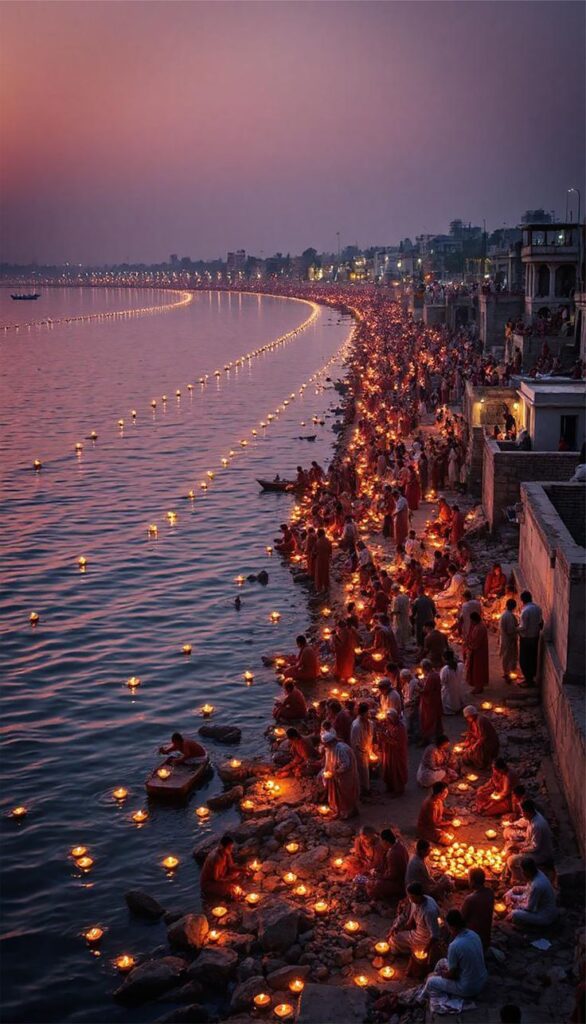
📿 The Meaning of “Giver River” in Indian Consciousness
In India, the word giver does not imply charity. It implies sustenance. A giver is not someone who hands something once; a giver is one who makes life possible continuously. Ganga is the giver river because she sustains existence on multiple levels—physical, cultural, psychological, and spiritual.
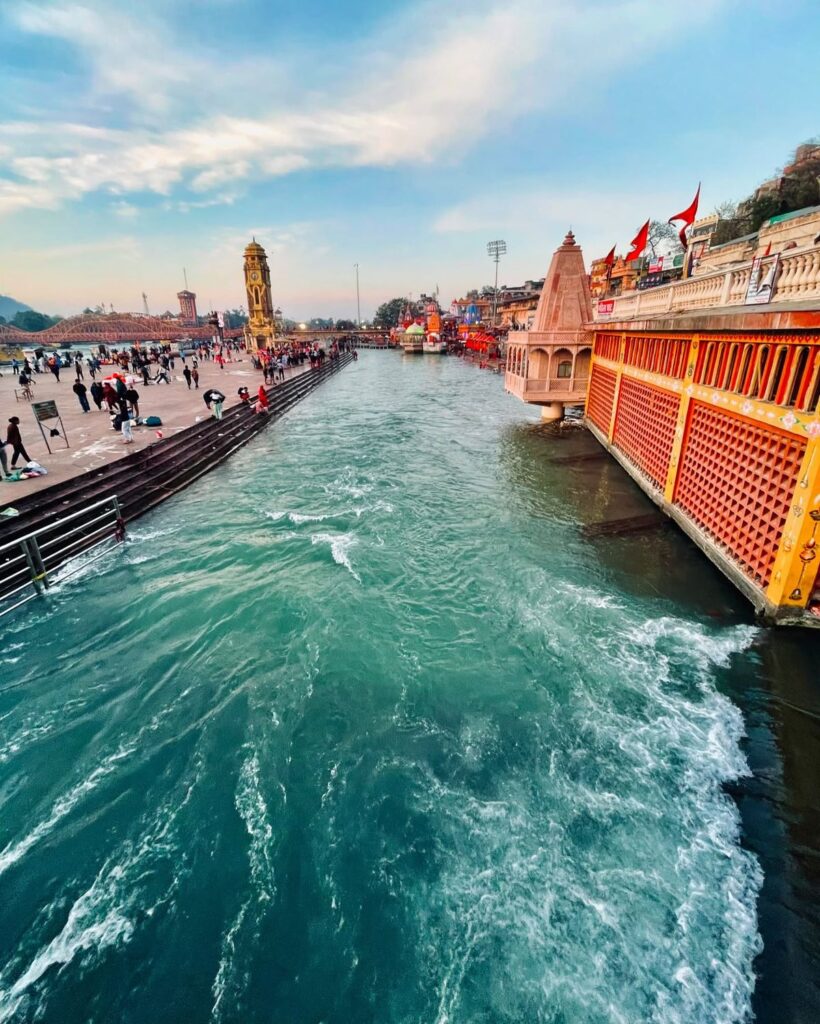
Physical Giving
Her waters irrigate one of the most fertile regions on Earth. The Indo-Gangetic plains have fed hundreds of millions for thousands of years. Crops rise not because of technology, but because Ganga breathes moisture into the soil.

Civilizational Giving
Entire cities, trade routes, learning centers, and political systems emerged because Ganga made long-term settlement viable. Where Ganga flowed, humans could stay, build, think, and evolve.
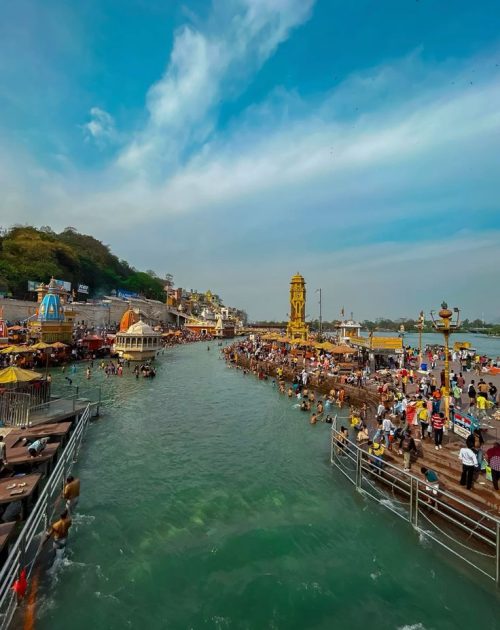
Emotional Giving
For the grieving, Ganga is solace.
For the seeker, she is reassurance.
For the weary, she is renewal.
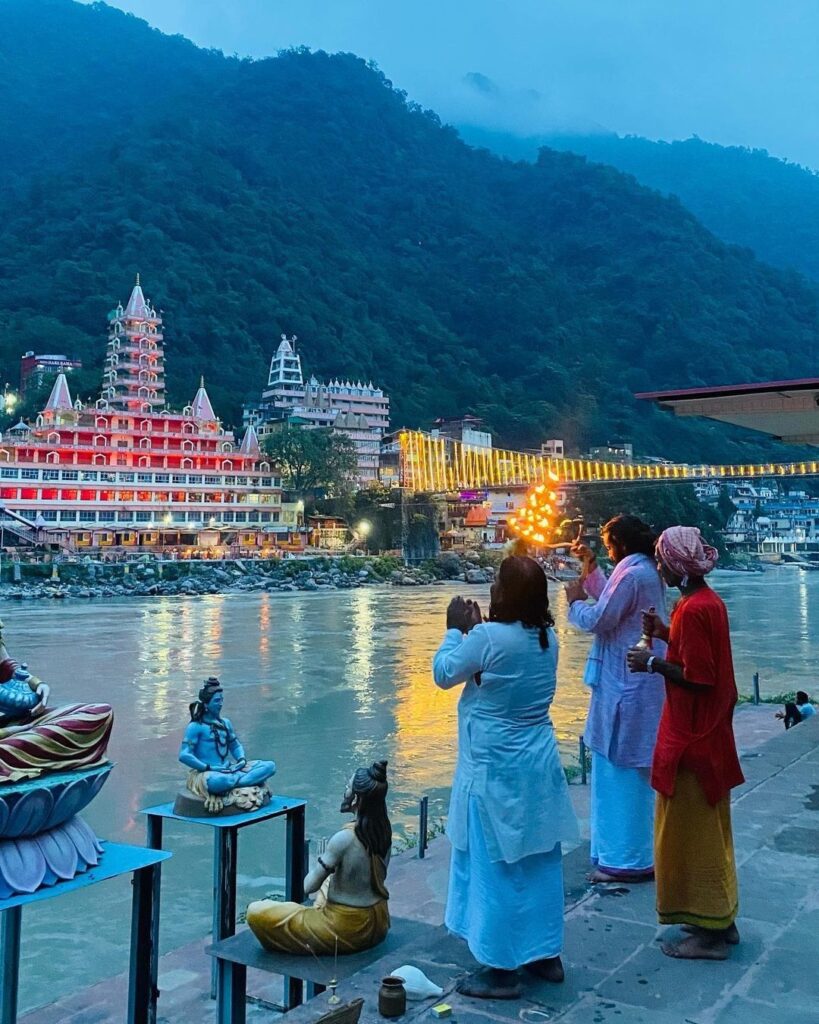
Spiritual Giving
Above all, Ganga gives release.
Release from guilt, fear, sin, attachment, and finally—from the cycle of rebirth itself.
This is why the title Giver River is not poetic—it is precise.
Ganga as Mother — The Civilizational Feminine Principle
In Sanātana Dharma, motherhood is not biological alone. It is cosmic.
A mother is that which:
• Nourishes without judgment
• Protects without possession
• Corrects without domination
• Gives without exhaustion
Ganga fulfills every one of these dimensions.
She does not ask who you are before touching you.
She does not discriminate between belief systems.
She does not withhold herself from the impure.
She absorbs everything—and transforms it.
This is the highest feminine principle in Indian philosophy: Shakti that purifies through acceptance, not rejection.
Calling Ganga “Mother” is not sentimentality. It is recognition of her role in sustaining life and consciousness.
The Celestial Origin — Ganga Before Earth
Before Ganga flowed on Earth, she flowed in the higher realms. Scriptures describe her as a celestial river—pure, radiant, unbound by material limitations. She was not meant for human access. Her power was too immense. Her purity too concentrated.
Yet humanity’s suffering called her down.
The story of Bhagiratha is not mythology in the trivial sense; it is symbolic psychology and civilizational teaching. A king performs extreme tapasya—not for conquest, not for fame—but to redeem his ancestors.
This matters. It tells us that Ganga descends only in response to selfless intent. When she descends, even the Earth cannot bear her force. That is when Shiva intervenes—not to block her, but to regulate her compassion. He absorbs her into his matted hair, releasing her slowly so life can survive. This balance between power and restraint defines Indian cosmology.
Ganga is compassion.
Shiva is containment.
Together, they create life.
Sacred Geography — Ganga’s Journey as Spiritual Metaphor
Ganga’s physical journey is a spiritual map.
She begins as ice—still, silent, formless.
She becomes water—moving, adaptable, alive.
She enters plains—engaged, nourishing, burdened.
She merges with the ocean—surrendered, dissolved, infinite.
This is the journey of every human soul.
From purity to participation.
From participation to exhaustion.
From exhaustion to surrender.
Every bend of Ganga teaches impermanence.
Every confluence teaches unity.
Every flood teaches humility.
Geography becomes philosophy.
Ganga and the Birth of Indian Civilization
India did not dominate nature; it aligned with it.
The earliest settlements along Ganga were not extractive. They were participatory. People observed seasonal rhythms, flood cycles, soil behavior, and water moods. Civilization adapted to Ganga—not the other way around.
This created a culture that valued:
• Continuity over conquest
• Wisdom over expansion
• Harmony over control
Texts were composed on her banks. Oral traditions flowed alongside her waters. Gurukuls emerged not as institutions, but as extensions of natural order.
Ganga did not just witness civilization—she shaped its psychology.
Sacred Cities of Ganga — Where Geography Becomes Destiny
Some cities exist because humans chose a location. Some cities exist because Ganga chose them. The sacred cities along Ganga are not accidental settlements; they are spiritual inevitabilities. They arise where human aspiration intersects with divine flow. To live in these cities is to live in constant dialogue with eternity.
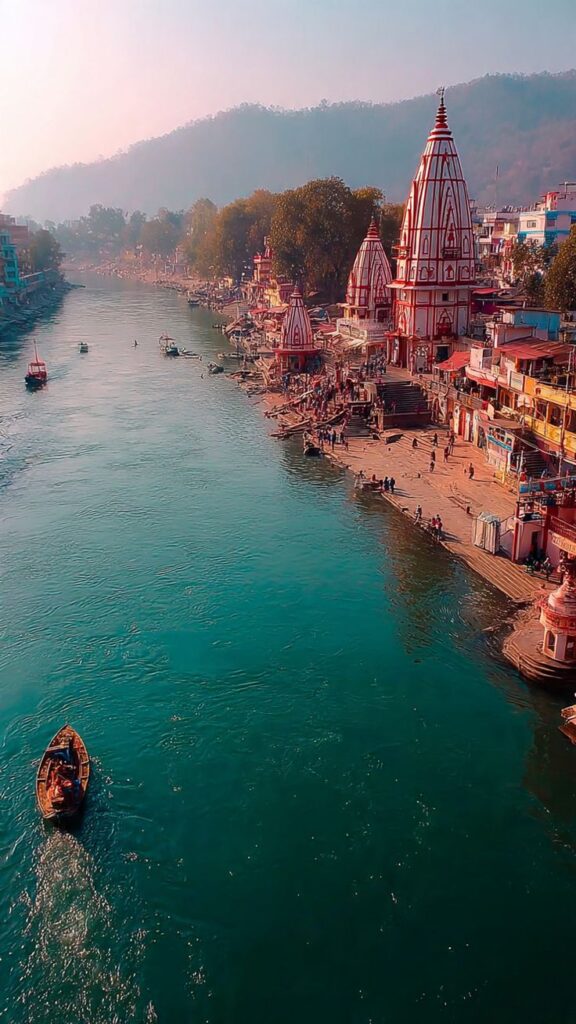
Haridwar — Where Ganga Steps into Humanity : Haridwar is the moment when the Himalayan silence gives way to human life. Here, Ganga leaves the mountains and enters the plains, as if consciously choosing to serve humanity more directly. Pilgrims gather here not merely to bathe, but to receive permission—permission to live, to act, to engage with the world while remembering the sacred source. Haridwar is not loud devotion; it is threshold devotion.
Prayagraj — The Geometry of Confluence : At Prayagraj, rivers meet—but more importantly, dimensions meet. Ganga, Yamuna, and the invisible Saraswati converge to create the Triveni Sangam, a point where physical and metaphysical realities overlap. This is why Prayagraj hosts the Kumbh Mela. The human psyche recognizes convergence instinctively. People gather here not because they understand the science, but because their inner compass points to unity.
Varanasi (Kashi) — Where Death Loses Fear : Kashi is not a city afraid of death. It is a city that has domesticated eternity. Here, Ganga does something no other river does—she makes death intimate, visible, and sacred. Cremation fires burn day and night, not as symbols of loss, but as declarations of continuity. To die in Kashi is not considered tragedy. It is considered completion.
This single belief has shaped Indian attitudes toward mortality for millennia.
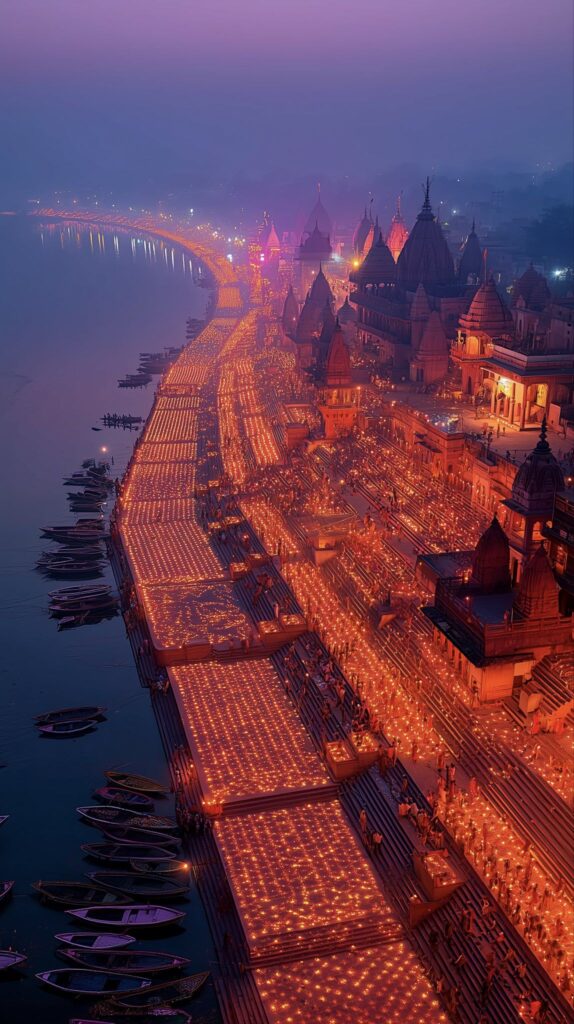
Ghats of Ganga — Stone Steps into Philosophy

Ghats are not architectural conveniences.
They are philosophical instruments carved into the landscape.
Each ghat is a lesson in impermanence.
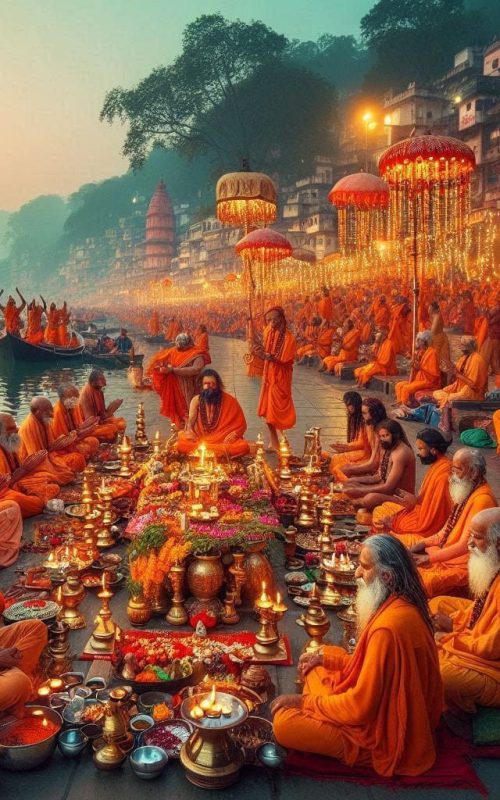
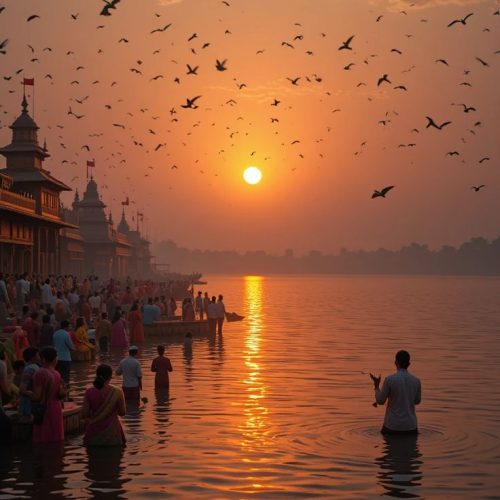
At dawn, bodies descend into the water for purification.
At dusk, flames rise for final rites.
Between these moments, life unfolds—chants, commerce, silence, laughter, prayer.
The ghat teaches without words:
• You arrive empty
• You leave empty
• What flows through you is borrowed
This is why ghats are sacred classrooms. No scripture explains impermanence as clearly as watching ashes dissolve into Ganga.
Ganga and the Sacred Science of Ritual
Ritual in India is not superstition. It is embodied memory. When water from Ganga is sprinkled during rites, it is not believed to magically erase wrongdoing. Rather, it reconnects the individual to a larger moral and cosmic order.

Birth Rituals
Ganga water marks entry into the world with remembrance of origin.
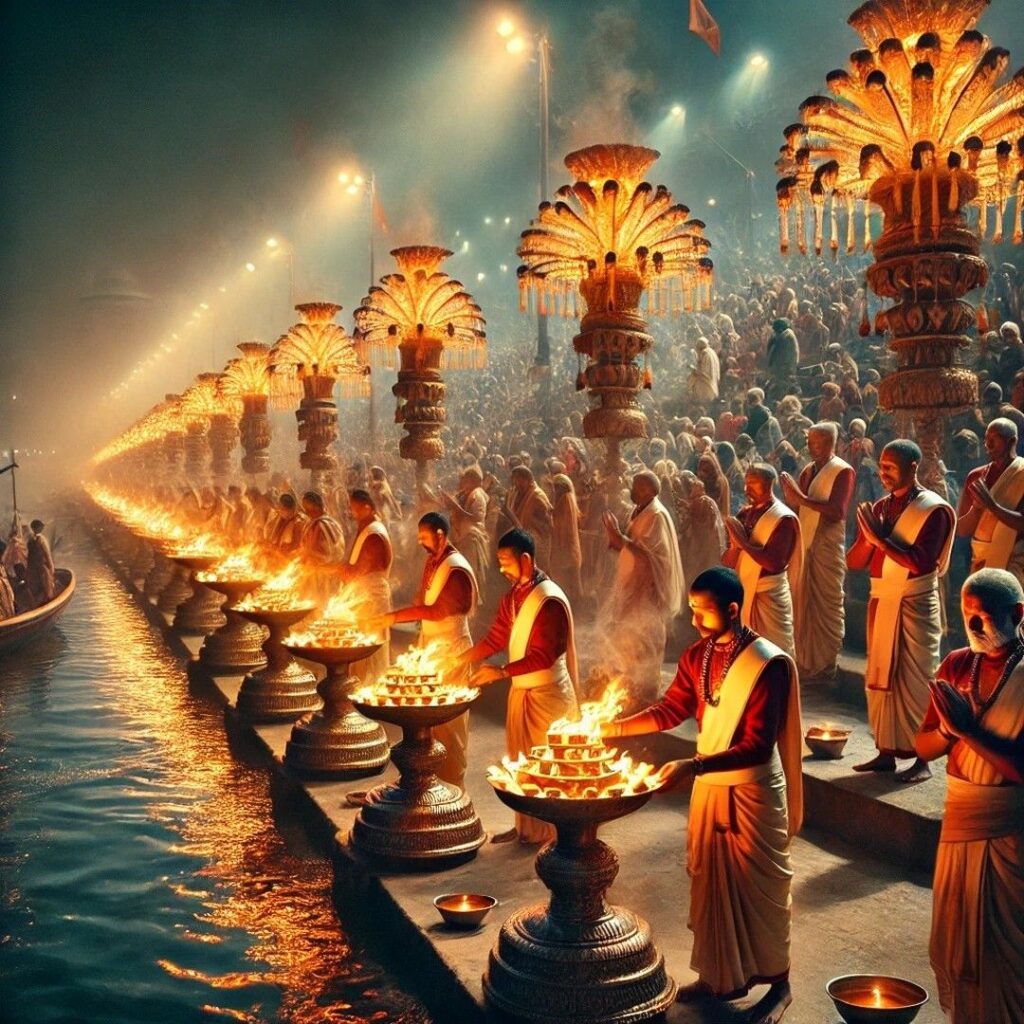
Daily Worship
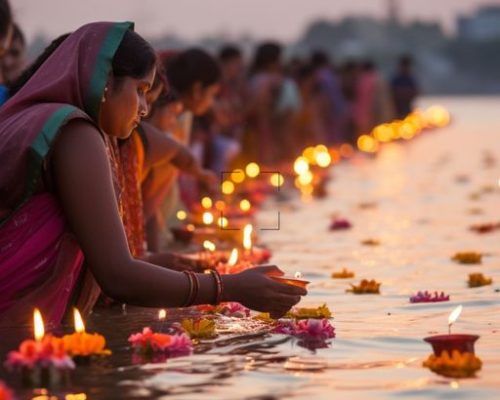
A handful of water offered back into Ganga reminds humans that what is received must be returned.
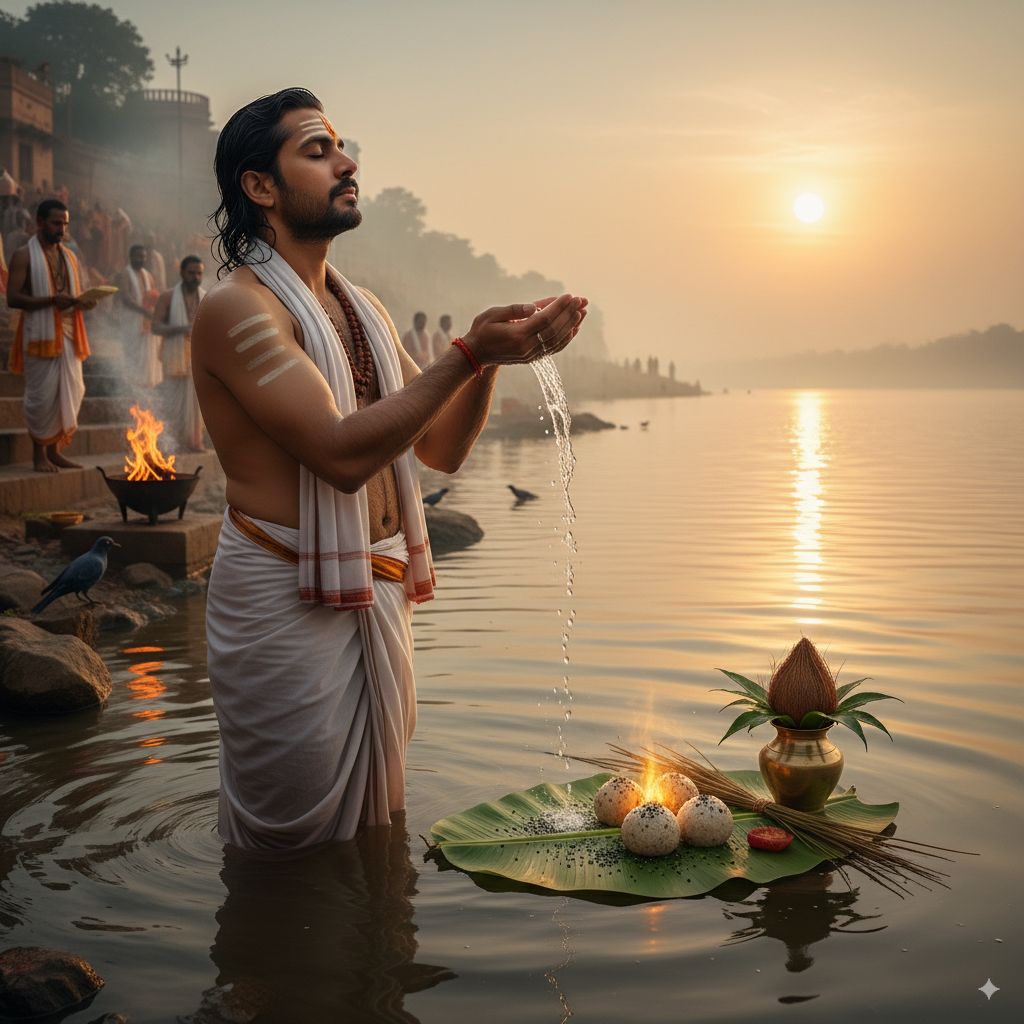
Final Rites
Ashes immersed in Ganga symbolize surrender of identity, story, and ego into the universal flow.
Rituals anchor the individual psyche to collective consciousness.
Death, Moksha, and Ganga’s Unspoken Promise
In many cultures, death is denied, hidden, feared.
In Indian civilization, death is integrated.
Ganga makes this integration possible.
The belief that immersion of ashes in Ganga grants moksha is not transactional. It is psychological and philosophical. It tells the living that death is not exile—it is return.
This belief reduces fear, softens grief, and allows acceptance.
Ganga does not promise immortality of the body.
She promises continuity of essence.
Ganga in Scriptures — The River That Speaks Through Text
Lorem ipsum dolor sit amet, consectetur adipiscing elit. Ut elit Ganga appears across Indian literature not as scenery, but as participant.
• In the Vedas, she is praised as purifier and sustainer
• In the Puranas, she is personified as goddess
• In the Epics, she witnesses vows, births, and sacrifices
• In Bhakti poetry, she becomes mother, lover, refuge
She is called:
• Tripathagā — flowing through three realms
• Vishnupadi — sanctified by Vishnu
• Bhagirathi — brought by human effort
Each name reveals a dimension of Indian thought: divine grace meets human responsibility.tellus, luctus nec ullamcorper mattis, pulvinar dapibus leo.
Art, Music, and Cultural Memory of Ganga
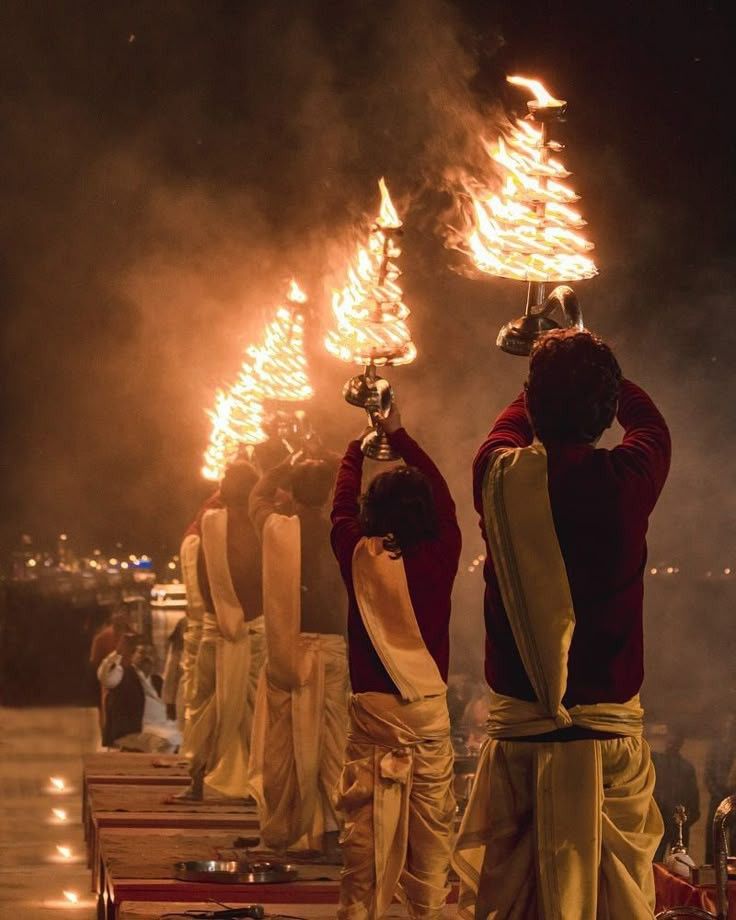
Ganga is painted, sung, sculpted, and danced—not as landscape, but as emotion.
Classical ragas evoke her flow. Temple sculptures depict her descent. Folk songs speak to her as confidante and protector.
Why does art return to Ganga again and again?
Because she is movement.
And art, like consciousness, cannot exist without movement.

Kumbh Mela — Humanity Organizing Around Water
Kumbh Mela is often described as a festival. This is inaccurate.
It is a civilizational phenomenon.
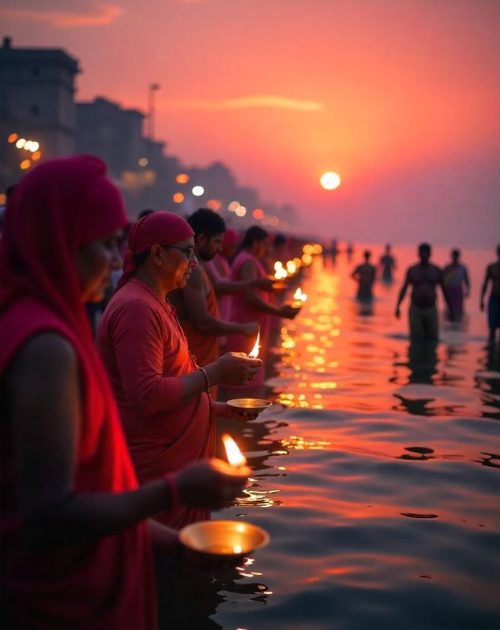
Millions gather without central command, without modern infrastructure, guided only by time cycles and faith. No other event demonstrates humanity’s ability to self-organize around sacred meaning.
At Kumbh, Ganga becomes the axis around which humanity briefly remembers unity beyond identity.
Ganga as a Living Ecological System
Long before environmental science, Indian tradition recognized rivers as living systems.
Ganga’s seasonal floods replenish soil. Her wetlands host biodiversity. Her flow regulates climate.
Traditional reverence was not symbolic—it was ecological intelligence encoded as spirituality.
When reverence erodes, imbalance follows.
Modern Crisis — Ganga’s Silent Endurance
Despite pollution, diversion, and neglect, Ganga continues to flow.
This endurance is not permission for abuse—it is a mirror to human responsibility.
The question is not whether Ganga will survive.
The question is whether we will remain worthy of her generosity.
Ganga as Consciousness — Beyond Matter
In Indian metaphysics, water carries memory.
Ganga is believed to retain intention, mantra, and prayer. Sitting by her in silence is considered a form of meditation—not because of belief, but because flow quiets the mind.
Why Ganga Is Eternal
Empires dissolve. Languages change. Beliefs evolve.
Yet Ganga flows.
She is not eternal because she resists change.
She is eternal because she absorbs change without losing essence.
That is the highest lesson she offers humanity.
Closing Invocation — Remembering the Giver
Ganga does not ask to be worshipped.
She asks to be remembered correctly.
As mother.
As giver.
As witness.
As path.
As long as Ganga flows, India remembers itself.