
🕉️ Spiritual Essence & Divine Energy
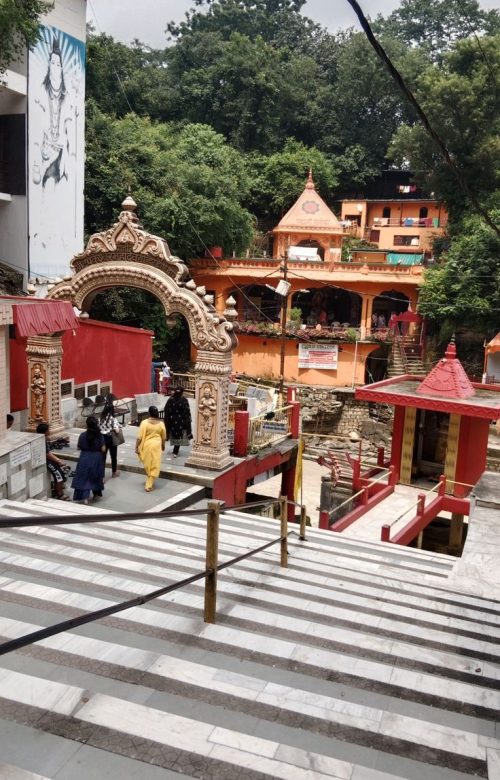
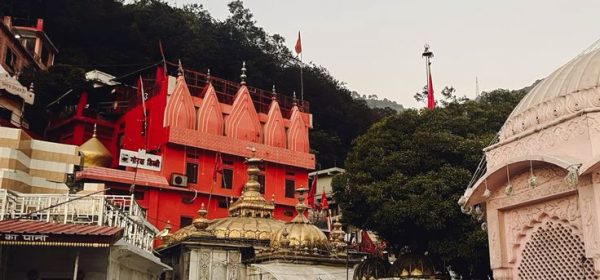
The Jwala Devi Temple 🌺, located in the Kangra district of Himachal Pradesh, is a revered Shakti Peetha where Devi Sati’s tongue (Jihva) is believed to have fallen 🔺, representing divine speech, wisdom, and the eternal flame of knowledge. Goddess Jwala Devi 🔱 embodies the fiery energy of the cosmos, symbolizing spiritual illumination, courage, and purification. Mentioned in Skanda Purana and local scriptures 📜, the temple draws pilgrims seeking spiritual enlightenment, mental clarity, and protection from negativity. The temple’s natural hill surroundings, flowing streams, and sacred flame 🔥 create an atmosphere charged with divine energy, ideal for meditation and prayer.
Spiritual Highlights
- 🌺 Devi Sati’s tongue fell here, symbolizing divine speech and wisdom
- 🔱 Jwala Devi embodies cosmic fire, courage, and spiritual illumination
- 🔺 Temple layout aligns with Shakti Yantra and energy vortex principles
- 🧘 Promotes meditation, purification, and spiritual clarity
- 📜 Mentioned in Skanda Purana and local scriptures
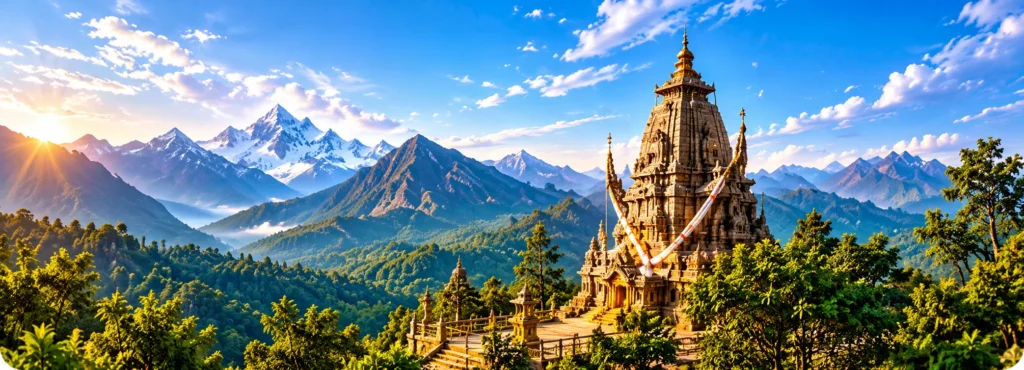
- 🌄 Hilltop surroundings and eternal flame enhance meditation and devotion
Pilgrims often feel spiritual awakening, mental clarity, and courage 💫. Many visit seeking removal of obstacles, divine guidance, and blessings for personal strength and family protection ❤️.
Travel Essentials & Access
📍 Temple Location: Kangra, Himachal Pradesh
🌍 Country: India
🌺 Deity Worshipped: Jwala Devi
👑 Built By: Ancient kings and local rulers; continuously maintained
🛕 Built In: Ancient origins; renovated through centuries
🏛️ Architectural Style: North Indian hill temple style
Travel Essentials & Access
✈️ Nearest Airport: Gaggal Airport (Dharamshala, 25 km)
⏱️ Temple Timings: 5:00 AM – 9:00 PM
🌞 Best Time to Visit: March – June, September – November
🌤️ Weather: Day 20–30 °C, Night 10–20 °C, Cool hill climate
✈️ Airlines: Air India, IndiGo, SpiceJet
Cultural Experience & Devotion
🎉 Festivals Celebrated: Navaratri, Diwali, and Jwala Mela — devotees light lamps and perform rituals with great devotion
🧣 Visitor Guideline: Modest clothing recommended; traditional attire preferred
🔕 Visitor Guideline: Maintain silence inside sanctum for meditation
🌱 Visitor Guideline: Respect temple grounds and surrounding hills
💰 Visitor Guideline: Donations support rituals, temple upkeep, and community services
🪔 Visitor Guideline: Prior coordination recommended for special poojas
History & Devotion – Legends and Preservation
The Jwala Devi Temple has a rich historical and spiritual heritage 🏛️. Kings and devotees have ensured the eternal flame burns uninterrupted 🕯️. Priests preserve rituals, daily worship, and festivals, maintaining centuries of devotion. Pilgrims continue to experience spiritual awakening, courage, and divine protection.
Historical Highlights
- 🏛️ Ancient hill temple, continuously maintained by local rulers
- 🧎 Priests uphold daily rituals, Abhishekam, and festival traditions
- 🔱 Shiva worship continues alongside Jwala Devi
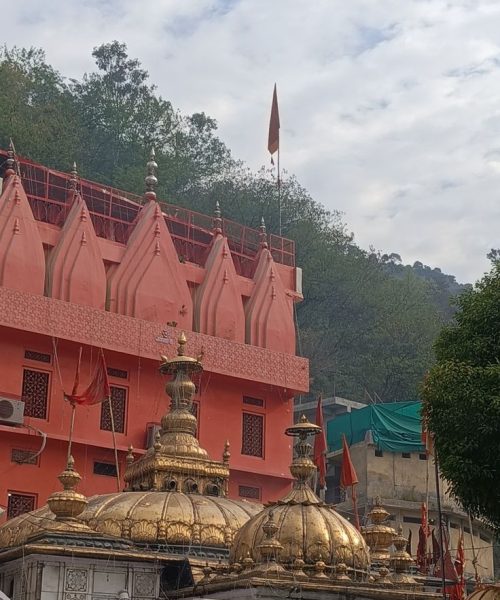
- 🗿 Temple architecture reflects North Indian hill temple style
- 🛕 Navaratri and Diwali celebrated with grandeur
- 🌈 Pilgrims experience courage, spiritual illumination, and mental clarity
Temple Structure & Architecture
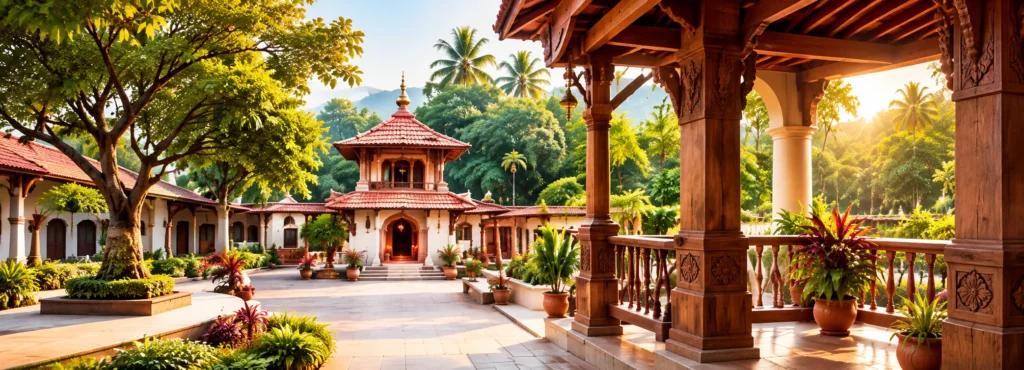
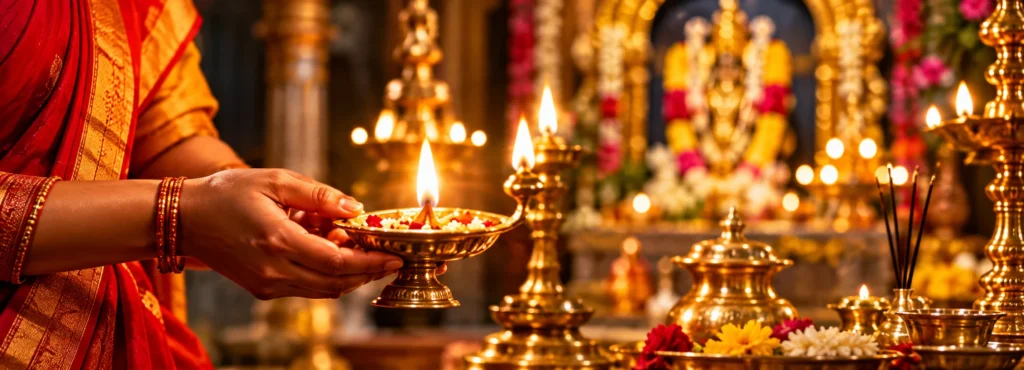
The temple 🏛️ showcases hill-temple North Indian architecture, with the sanctum housing the eternal flame that burns continuously as a symbol of divine power and purity 🌟. The sacred space is beautifully adorned with flowers, lamps, and sacred ash, enhancing its spiritual atmosphere. Daily rituals such as Abhishekam, Archana, and Alankaram 🙏 are performed with deep devotion, offering peace and blessings to all who visit.
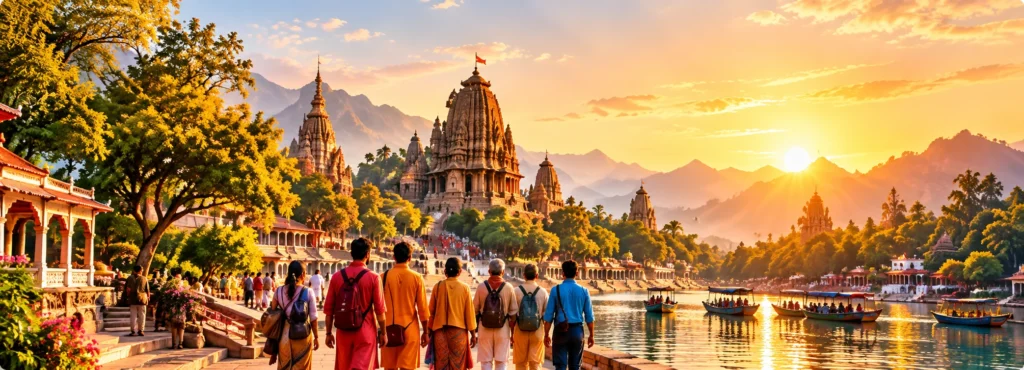
During festivals like Navaratri and Diwali 🎉, the temple glows with vibrant lights, devotional music, and traditional rituals that attract thousands of devotees. The fragrance of incense and the sound of sacred chants create an uplifting spiritual experience for pilgrims. Visitors often climb the hill with offerings, seeking blessings, protection, and divine grace from the goddess. Temple Timings: 5:00 AM – 9:00 PM ⏱️.
Pilgrim Experience & Spiritual Benefits
Devotees report heightened courage, spiritual insight, and inner purification ⚡🌈.
Experiential Highlights
- Families and individuals seek blessings for protection, courage, and wisdom 👶💞
- Visitors pray for spiritual illumination and removal of obstacles 🌿
- Meditation near eternal flames enhances focus and divine connection 🌊
- Devotees feel courage, mental clarity, and spiritual empowerment 💫
- Prasadam distribution and priestly guidance 🧘♀️ deepen devotion
- Many leave mentally strengthened, spiritually awakened, and protected ❤️
Culture, Community & Tourism
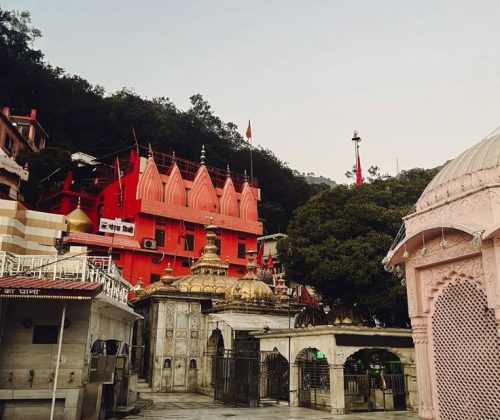
The temple acts as a spiritual and cultural hub 🎶 in Himachal Pradesh 🌍. During festivals, lamps illuminate the sanctum ✨, hymns resonate 🎤, and rituals strengthen community bonds. Environmental respect 🌱 is emphasized, particularly around the eternal flame and hill areas.
Nearby Attractions & Tips
- Surrounding hills and scenic viewpoints 🌄
- Local handicrafts and markets 🛍️
- Lodging within 10–20 minutes 🏨
- Phones allowed outside sanctum; flash photography restricted 📱
Deity Story & Legends
Legend narrates that Goddess Sati’s tongue fell at this sacred spot, and the eternal flames of Jwala Devi symbolize her immortal voice 🔥. The flames are believed to emerge directly from the earth, representing divine Shakti that can never be extinguished. The deity is revered as the Fiery Mother, granting devotees courage, spiritual insight, and unwavering protection from negativity. She is also associated with ancient Tantric traditions, where divine fire is seen as a purifier of mind and soul. The temple carries centuries of legends involving the Pandavas, sages, and local kings who safeguarded the sacred flame. Even today, devotees experience a deep sense of awe and spiritual awakening in her powerful presence.
During Navaratri and Diwali 🎉, the temple witnesses a massive influx of pilgrims who arrive to witness the radiant flames and offer heartfelt prayers. The deity is adorned with flowers, kumkum, ghee lamps, and sacred offerings 🌟, filling the sanctum with warmth and divine radiance. Devotional chants of “Om Jwaladeviyei Namah” echo throughout the corridors, invoking courage, illumination, and inner transformation. The temple grounds glow with countless lamps, symbolizing the victory of divine light over darkness. Cultural performances, rituals, and community prayers further elevate the spiritual ambiance during these festivals. Many devotees believe that praying here during these auspicious days fulfills wishes and strengthens spiritual resolve.
Legend Highlights
- 🌺 Jwala Devi represents courage, divine speech, and spiritual illumination
- 🔱 Shiva complements her energy as protector and cosmic consort
- 🏞️ Hilltop surroundings and eternal flames enhance meditation and devotion
- 💫 Devotees experience courage, wisdom, and spiritual empowerment
- ❤️ Inspires mental clarity, family protection, and divine guidance